






What's Happening?
Apartment dwellers and pet owners face a common challenge regarding pet waste disposal, particularly when attempting to compost. Despite the availability of 'compostable' pet waste bags, experts and online communities largely agree that pet waste, especially
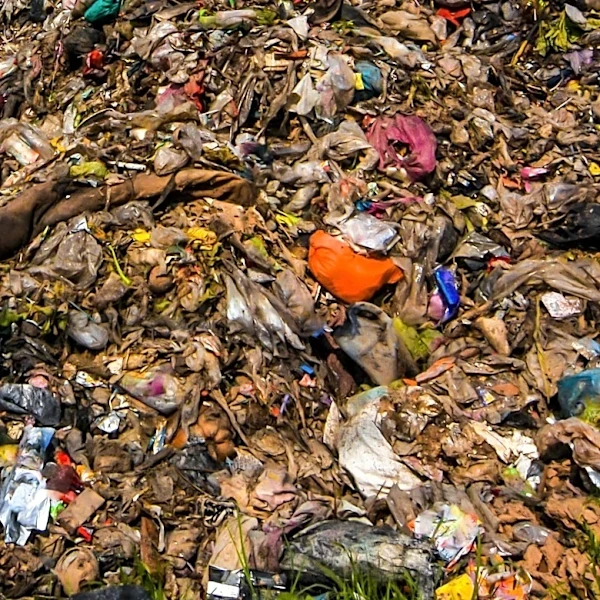
dog poop, should generally not be added to home compost piles. The primary reason for this exclusion is the risk of pathogens, which can be present in animal waste and may not be eliminated in typical backyard or apartment composting systems due to insufficient heat. Consequently, if a local compost service does not accept pet waste, the most straightforward and recommended option is to dispose of it in regular trash destined for a landfill. Commenters also noted that 'compostable' bags do not break down in landfills due to a lack of oxygen, making their use in this context largely ineffective.
Why It's Important?
This issue highlights a significant gap in sustainable waste management practices for pet owners and underscores the complexities of 'compostable' product claims. The sheer volume of pet waste—American dogs alone produce 10.6 million tons annually—presents a substantial environmental challenge. Misinformation or misunderstanding about pet waste composting can lead to health risks from pathogen spread and environmental contamination if waste is improperly managed. Furthermore, the use of 'compostable' bags for landfill-bound waste represents a misallocation of resources and consumer effort, as these bags do not decompose in anaerobic landfill conditions. This situation calls for clearer guidelines from waste management authorities and product manufacturers to help consumers make truly sustainable choices, preventing both environmental harm and consumer frustration.
What's Next?
Pet owners, particularly those in apartments, should consult their local waste management services or compost program rules to determine if pet waste is accepted. If not, the recommendation is to dispose of it in regular trash. To minimize environmental impact in such cases, individuals are advised to repurpose existing plastic bags, such as bread bags or grocery bags, instead of purchasing new 'compostable' bags that won't break down in a landfill. For homeowners with yards, exploring dedicated pet-waste digesters or specialized systems could be an option, though these require research and maintenance. There's a clear need for more accessible and effective solutions for pet waste, potentially through industrial composting facilities that are equipped to handle animal waste safely, or through innovative product development that addresses the specific challenges of pet waste decomposition.
Beyond the Headlines
The pet waste composting dilemma extends beyond practical disposal methods to touch upon broader themes of urban living, public health, and the limitations of current 'green' technologies. It reveals how individual efforts towards sustainability can be hampered by systemic constraints and a lack of infrastructure. The pathogen risk associated with pet waste underscores the importance of public health considerations in waste management, especially in densely populated areas. This situation also prompts a re-evaluation of what truly constitutes a 'sustainable' product, pushing for solutions that are effective across diverse disposal environments. Ultimately, it highlights the ongoing challenge of integrating environmental responsibility into everyday life, particularly when dealing with unavoidable waste streams like pet waste, and the need for collective action and innovation to address these complex issues.