





What's Happening?
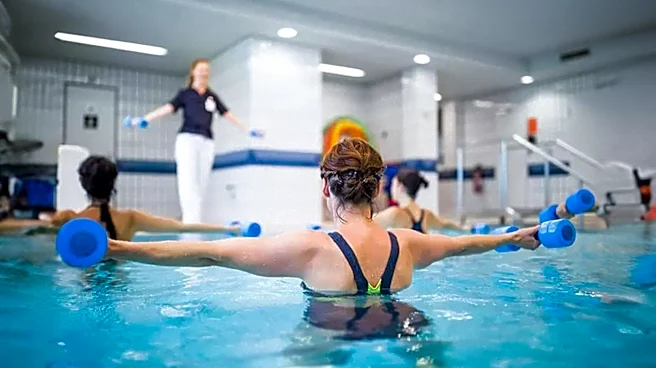
Aqua fitness classes are widely available across various locations in the United States, catering to different preferences and fitness levels. For instance, Wells Branch MUD hosts Aquafit sessions on Tuesdays and Thursdays from noon to 1 p.m. at the Willow
Bend Pool, with costs covered by a pool tag or an all-facilities rec tag. In San Antonio, the Atanacio Garcia Natatorium provides water aerobics. The YMCA Healthy Living Center offers a diverse range of aqua fitness classes, including Aqua Toning, Aquacise, Aqua Zumba®, Deep Water Workout, OWLS, SilverSneakers® Splash, Water Walk, BODYATTACK®, Zumba® Gold, Zumba® Gold Toning, Aqua Blast, and Aqua Interval. Additionally, the Williams Community Centre schedules swimming and aquafitness classes from 9:00 am to 10:00 am and 10:15 am to 12:00 pm. Healthtrax in East Longmeadow, MA, also includes aqua fitness as part of its group fitness class offerings. These programs highlight a growing trend in accessible water-based exercise options.
Why It's Important?
The widespread availability of aqua fitness classes across different U.S. facilities underscores a significant trend in public health and wellness. These programs offer a low-impact exercise alternative, making them particularly beneficial for individuals with joint issues, those recovering from injuries, or older adults seeking gentle yet effective physical activity. The variety of classes, from high-energy Aqua Zumba to specialized SilverSneakers® Splash, indicates an effort to cater to diverse demographic needs and fitness goals. This accessibility can lead to improved community health outcomes by encouraging more people to engage in regular physical activity, thereby reducing the prevalence of sedentary lifestyles and associated health risks. For fitness centers and community organizations, offering such programs can attract a broader membership base, fostering community engagement and providing valuable health resources to residents. The inclusion of these classes in membership packages, as seen with Wells Branch MUD and the YMCA, also enhances the value proposition for members.
What's Next?
Given the current offerings, it is likely that aqua fitness programs will continue to expand and diversify. Fitness centers and community organizations may introduce more specialized classes targeting specific health conditions or age groups, such as programs for pregnant individuals or those with chronic pain. There could also be an increase in demand for certified aqua fitness instructors, leading to more training and certification opportunities in the fitness industry. Furthermore, as technology advances, there might be innovations in aqua fitness equipment or even virtual reality-enhanced water workouts, although these are still nascent. The success of existing programs at facilities like the YMCA and Healthtrax could encourage other community centers and private gyms to invest in or enhance their aquatic facilities and programming. This expansion would further solidify aqua fitness as a mainstream and accessible form of exercise for a wide range of individuals.
Beyond the Headlines
The proliferation of aqua fitness classes reflects a deeper societal shift towards holistic and inclusive approaches to health and wellness. Beyond the physical benefits, these classes often foster a strong sense of community and social connection, particularly for older adults or individuals who might feel intimidated by traditional gym settings. The supportive environment of water-based exercise can boost mental well-being, reduce stress, and improve body image, as the buoyancy of water minimizes perceived effort and discomfort. This trend also highlights the evolving understanding of exercise, moving beyond high-intensity training to embrace more sustainable and adaptable forms of physical activity. The emphasis on accessibility and diverse offerings suggests a recognition that 'fitness' is not a one-size-fits-all concept, and that providing varied options is crucial for promoting long-term health engagement across all segments of the population. This inclusive approach can contribute to a more health-conscious and interconnected society.