


What's Happening?
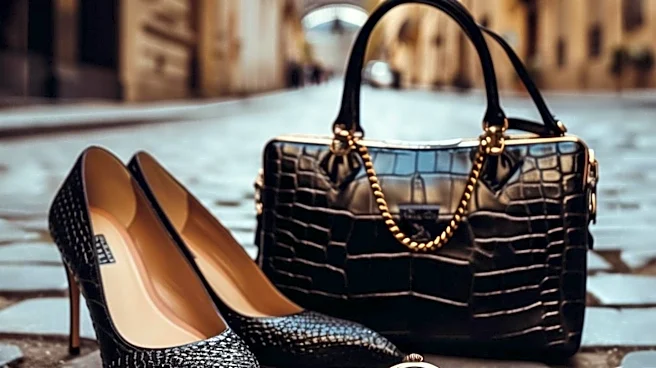
Hermès and Chanel handbags are identified as top performers in retaining their value, with specific models like the Hermès Birkin and Kelly rarely selling for under $5,000, even in the preowned market. The Chanel Classic Flap is also highlighted as an investment-friendly
option, particularly vintage or smaller versions that can be found within a $5,000 budget. Louis Vuitton's Speedy and Neverfull models are noted for their affordability and strong value retention. The market for preowned and vintage designer bags offers numerous investment opportunities under $5,000, including styles from major brands such as Louis Vuitton, Fendi, Gucci, Bottega Veneta, and select pieces from Chanel, Dior, and Hermès. Factors contributing to a bag's investment potential include strong demand, fine craftsmanship, recognizable design, and relative scarcity. Condition, size, color, and rarity also play significant roles in determining resale value.
Why It's Important?
This trend signifies a growing interest in luxury goods as tangible assets, particularly within the U.S. consumer market. For individuals seeking to invest in fashion, understanding which brands and models hold their value can inform purchasing decisions, potentially turning a luxury item into a financial asset rather than a depreciating expense. The accessibility of investment-worthy bags under $5,000 in the preowned market democratizes luxury investment, allowing a broader range of consumers to participate. This also supports the circular economy by encouraging the resale and reuse of high-quality items, reducing demand for new production and promoting sustainability within the fashion industry. The continued strong demand for specific luxury brands underscores their enduring cultural significance and perceived quality, influencing consumer behavior and brand strategies in the U.S. luxury market.
What's Next?
The sustained demand for high-value luxury handbags is likely to further fuel the growth of the preowned luxury market in the U.S. Online marketplaces and consignment shops specializing in authenticated designer goods are expected to see continued expansion as consumers seek both investment opportunities and sustainable fashion choices. Brands may also adapt their strategies, potentially increasing production of highly sought-after models or exploring partnerships within the resale ecosystem to maintain brand control and authenticity. Consumers will likely become more discerning, focusing on classic designs, condition, and provenance when purchasing preowned bags. This could also lead to increased scrutiny on authentication processes within the resale market to ensure buyer confidence and protect against counterfeits.
Beyond the Headlines
The phenomenon of luxury handbags as investment pieces reflects a broader cultural shift where consumers are increasingly valuing durability, craftsmanship, and brand heritage over fast fashion. This trend also highlights the evolving perception of luxury items from mere status symbols to tangible assets that can appreciate over time, similar to art or collectibles. Ethically, the robust preowned market promotes sustainability by extending the lifecycle of products and reducing waste, aligning with growing environmental consciousness among consumers. Legally, the rise of the resale market necessitates robust authentication protocols and consumer protection measures to combat counterfeiting and ensure fair transactions. This shift could also influence how luxury brands approach their primary market, potentially leading to more limited editions and exclusive releases to further drive scarcity and perceived value.