



What's Happening?
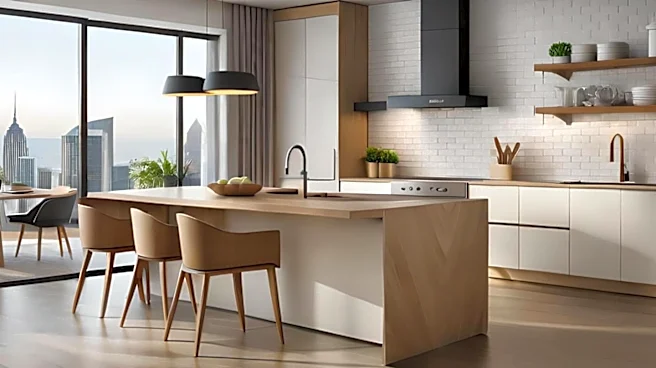
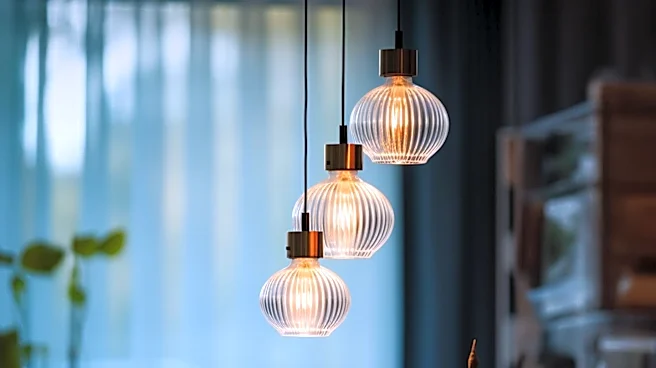
Statement lighting, such as chandeliers or oversized pendants, is being utilized to create dramatic focal points in living rooms, effectively turning the ceiling into a central design element. This approach is particularly suited for homes with sufficient
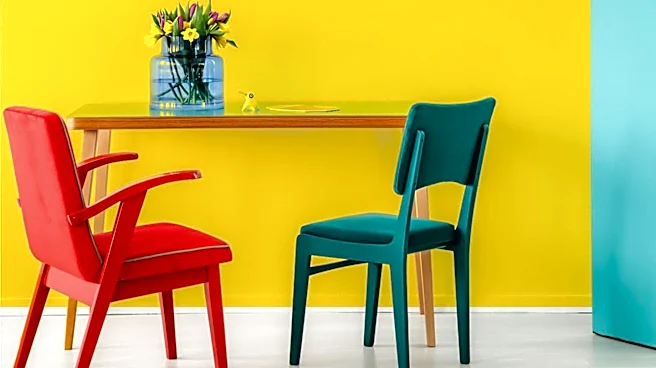
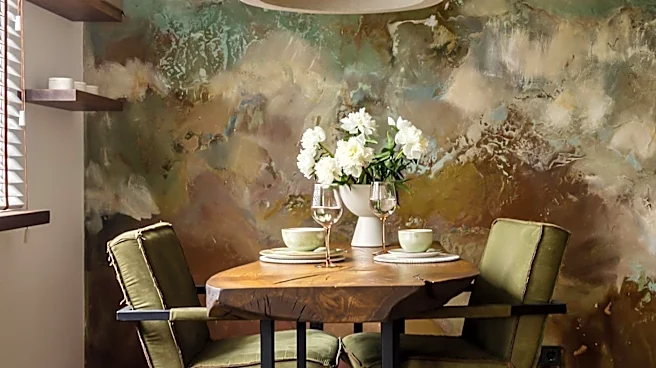
ceiling height, aiming to introduce immediate visual impact. The trend is observed in luxury interiors, showrooms, and hospitality projects, featuring high-end brands like Baccarat and Manooi. This design philosophy aligns with maximalist decor, which emphasizes bold colors, layered patterns, and unique forms to create joyful and personalized spaces. Rather than adhering to minimalist aesthetics, maximalism encourages the use of meaningful objects and curated pieces, with statement lighting serving as a key component to achieve this effect. The selection of such lighting is often part of a broader strategy to make a room feel cohesive by repeating key colors and varying pattern scales.
Why It's Important?
The adoption of statement lighting in residential and commercial design signifies a shift towards more expressive and personalized interior aesthetics. For the U.S. interior design industry, this trend creates opportunities for manufacturers and retailers of high-end lighting fixtures, as well as for interior designers specializing in luxury and maximalist styles. Consumers stand to gain more visually engaging and unique living spaces, moving away from uniform, minimal looks. This trend also impacts the real estate market, as well-designed and distinctive interiors can enhance property value and appeal. The emphasis on curated, meaningful objects over sheer quantity suggests a more thoughtful approach to consumption, potentially influencing consumer spending habits towards quality and design-led products. Furthermore, the integration of lighting with overall room design, especially in feature rooms, underscores the importance of early planning in construction and renovation projects to avoid costly retrofits.
What's Next?
The continued growth of maximalism suggests that statement lighting will remain a prominent feature in interior design. We can anticipate further innovation in lighting design, with a focus on sculptural forms, unique materials, and integrated smart technologies to enhance both aesthetics and functionality. Designers may increasingly collaborate with artists to create bespoke lighting installations that serve as art pieces. Retailers are likely to expand their offerings of distinctive and customizable lighting options to cater to a growing demand for personalized interiors. Additionally, the emphasis on coordinating ceiling design with the room's broader electrical and lighting plan will likely lead to more integrated design processes between architects, interior designers, and lighting specialists from the initial stages of a project.
Beyond the Headlines
Beyond its aesthetic appeal, the rise of statement lighting reflects a deeper cultural shift towards self-expression and individuality in personal spaces. In an increasingly digital and often impersonal world, people are seeking ways to infuse their homes with personality and warmth, making their living environments a reflection of their unique tastes and stories. This trend also highlights the evolving role of lighting from purely functional to an integral element of artistic expression and mood creation. The investment in high-quality, distinctive lighting pieces can be seen as a form of 'slow design,' where consumers prioritize longevity and emotional connection over fleeting trends. This approach could foster a more sustainable consumption model within the home decor industry, encouraging the purchase of fewer, but more impactful and cherished items.