




What's Happening?
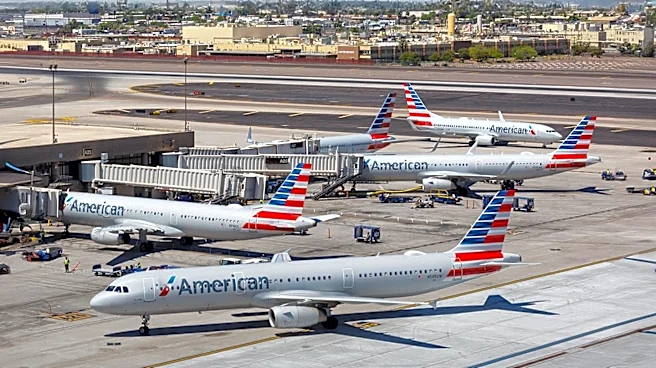
American Airlines recently lost an appeal regarding a gate reshuffle at Chicago O’Hare International Airport. The ruling upheld the refusal to issue a preliminary injunction against the city's gate redistribution. This dispute stems from a 2018 airport
lease agreement, where American Airlines argued that Chicago had prematurely reallocated gates, violating a promise to allow American to grow into additional space first. Despite the appeal loss, American Airlines has strengthened its position at O'Hare by acquiring two gates from Spirit Airlines for $30 million and earning back additional gate space through its own growth in 2025. The airline's lawsuit against the city of Chicago, alleging a breach of contract, remains unresolved, with potential future damages still under consideration. The appellate court's decision focused on the disruption an injunction would cause to other airlines and airport operations, rather than definitively ruling on the contract's interpretation.
Why It's Important?
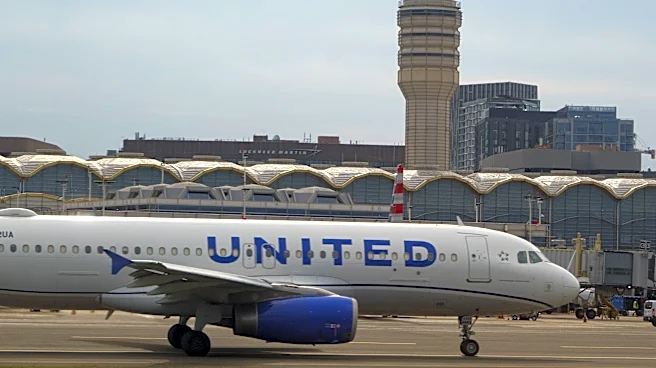
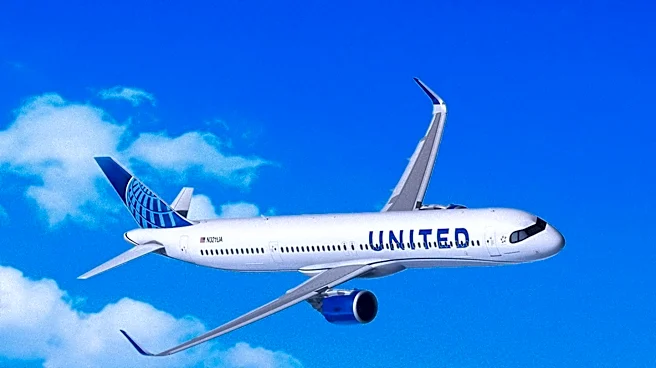
This development is significant for the competitive landscape of the U.S. airline industry, particularly at a major hub like Chicago O’Hare. American Airlines' continued presence and growth in Chicago are crucial for its business strategy, especially in attracting high-spending customers for its AAdvantage loyalty program and Citibank credit cards. A retreat from Chicago would diminish the value of these offerings and impact the airline's overall revenue, which includes substantial credit card income. The dispute highlights the intense competition between major carriers like American and United Airlines for market share and strategic gate access at key airports. United's alleged attempts to leverage American's post-pandemic recovery challenges to push it out of Chicago underscore the high stakes involved. The Federal Aviation Administration's intervention to cap flights at O'Hare also demonstrates regulatory oversight in managing airport capacity and preventing anti-competitive practices, ultimately affecting passenger experience and airline operational efficiency.
What's Next?
While American Airlines lost its appeal for a preliminary injunction, the underlying contract dispute with the city of Chicago is still active and unresolved. The airline can pursue its claims for damages, arguing that Chicago broke its agreement. The court's decision did not preclude future remedies, indicating that the legal battle is far from over. American Airlines will likely continue its efforts to expand its footprint at O'Hare, leveraging its recent gate acquisitions and organic growth. The competitive dynamics between American and United at Chicago O'Hare will remain a focal point, with both airlines strategizing to gain an advantage. The FAA's role in managing airport capacity could also continue to influence how airlines plan their schedules and allocate resources at congested hubs.
Beyond the Headlines
The legal and competitive struggles at Chicago O’Hare reveal deeper implications for the airline industry, touching upon contract law, urban development, and regulatory intervention. The dispute over gate access underscores the critical importance of airport infrastructure as a strategic asset for airlines. The city of Chicago's alleged favoritism towards its 'hometown airline,' United, raises questions about fair competition and the potential for local politics to influence business operations. Furthermore, the emphasis on credit card revenue and loyalty programs highlights a significant shift in airline business models, where customer retention and ancillary services play an increasingly vital role beyond just ticket sales. This case could set precedents for how airport authorities manage gate allocations and how airlines navigate complex contractual agreements in highly competitive environments, potentially influencing future airport expansion projects and airline-city relationships across the U.S.