





What's Happening?
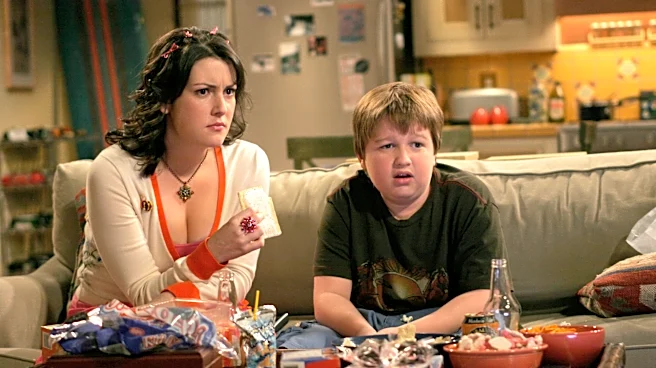
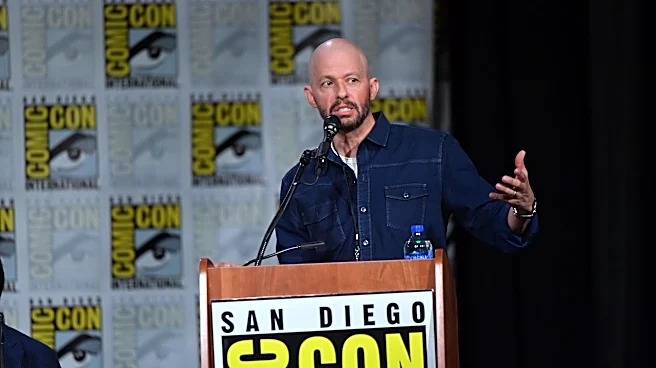
Jon Cryer, known for his role as Alan Harper in the popular CBS sitcom 'Two and a Half Men,' disclosed that his salary during the show's run was significantly less than that of his co-star, Charlie Sheen. According to Cryer, his earnings amounted to 'a
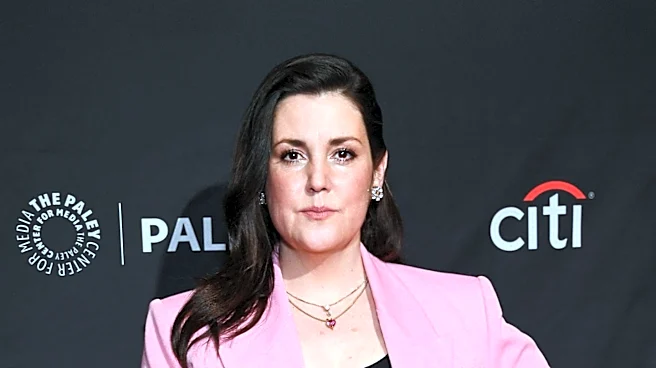
third' of what Sheen received. This revelation comes amidst broader discussions about actor compensation on the series, with other cast members like Melanie Lynskey and Holland Taylor also commenting on their salaries. Lynskey, who played Rose, clarified that she earned approximately one-tenth of the widely circulated figures, with her highest per-episode payment being $43,000 before deductions. Sheen's salary reportedly reached $1.9 million per episode by 2011, as per a Forbes report. Cryer's statement highlights a notable disparity in pay among the show's lead actors, particularly during Sheen's tenure.
Why It's Important?
The disparity in salaries among lead actors in a highly successful television series like 'Two and a Half Men' underscores ongoing issues within the entertainment industry regarding compensation equity. Jon Cryer's revelation that his salary was a mere third of Charlie Sheen's, despite both being central figures, highlights how star power and negotiation leverage can create vast pay gaps. This situation can impact the morale of cast members and raise questions about fair compensation practices, especially when a show's success is a collective effort. For industry stakeholders, including studios, producers, and talent agencies, these disclosures can influence future contract negotiations and potentially lead to increased scrutiny over how profits are distributed among key contributors. The public's awareness of such discrepancies can also shape perceptions of fairness and value within the entertainment sector.
What's Next?
While the specific salary details for 'Two and a Half Men' are historical, the ongoing discussions about pay equity in Hollywood are likely to continue. Revelations from actors like Jon Cryer, Melanie Lynskey, and Holland Taylor contribute to a broader conversation that could influence future contract negotiations and industry standards. Actors and their representatives may use such public disclosures to advocate for more transparent and equitable compensation structures. This could lead to increased pressure on studios and production companies to justify significant pay disparities, especially for long-running and highly profitable shows. The entertainment industry might see a continued push for collective bargaining agreements that address these issues, potentially impacting how talent is valued and compensated across various productions.
Beyond the Headlines
The significant pay gap between Jon Cryer and Charlie Sheen in 'Two and a Half Men' reflects a deeper, systemic issue within the entertainment industry concerning celebrity power and perceived value. Sheen's ability to command a much higher salary, even as his personal life became increasingly tumultuous, illustrates how a lead actor's perceived indispensability and public profile can translate into immense financial leverage. This dynamic often overshadows the contributions of other essential cast members, regardless of their talent or screen time. The ethical implications extend to how studios prioritize individual star power over ensemble contributions, potentially fostering environments where financial rewards are not always commensurate with artistic or professional input. This situation also highlights the opaque nature of Hollywood salaries, where public perception often differs significantly from the financial realities experienced by many actors.