




What's Happening?
Resistance bands are available in various forms, each designed for specific exercise types and fitness goals. These include stretch cords, tube kits, loop bands, and suspension straps. Stretch cords are primarily used for light resistance, toning, and rehabilitation
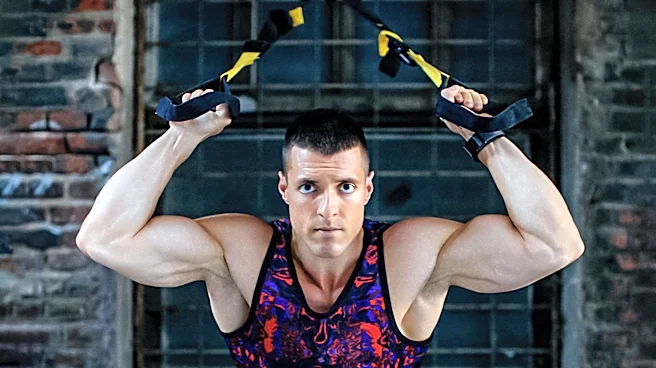
exercises. Tube kits, which are hollow cords equipped with handles, facilitate full-body workouts. Loop bands are continuous, flat rings that provide heavy resistance, making them suitable for barbell work and more intense exercises. Suspension straps, made from non-stretch webbing, leverage bodyweight for strength training. While resistance bands can effectively replace traditional weights for building strength, they offer a lower ceiling for maximum load and less precise loading capabilities. Loop bands are particularly effective for heavy lifting and lower-body movements, whereas tube kits excel in exercises like handled presses and rows. TRX straps are better suited for bodyweight strength training with an overhead anchor, but resistance bands offer advantages in terms of portability, single-muscle targeting, and providing resistance beyond just bodyweight. Fabric bands are often preferred over latex versions due to their enhanced durability and comfort during use.
Why It's Important?
The widespread availability and versatility of resistance bands are significant for the U.S. fitness and health industries, as they provide accessible and adaptable workout solutions for a broad demographic. For individuals, these bands offer a cost-effective and space-saving alternative to traditional gym equipment, promoting at-home fitness and making strength training more attainable. This is particularly important for those with limited access to gyms or who prefer to exercise in private settings. The variety of band types caters to different fitness levels and specific needs, from rehabilitation and gentle toning with stretch cords to intense strength building with loop bands. This adaptability can help reduce barriers to exercise, potentially leading to improved public health outcomes by encouraging more people to engage in regular physical activity. For businesses in the fitness sector, the demand for resistance bands supports manufacturers and retailers, contributing to economic activity. Furthermore, the preference for fabric bands over latex highlights an evolving consumer demand for more durable and comfortable fitness products, influencing product development and market trends within the industry.
What's Next?
The continued evolution of resistance band technology and training methodologies is expected. Manufacturers will likely focus on developing more durable, comfortable, and specialized resistance bands, potentially incorporating smart features for tracking performance or integrating with fitness apps. The market may see an increase in hybrid products that combine the benefits of different band types or integrate them with other portable fitness equipment. Fitness professionals and trainers are likely to further develop and promote resistance band-specific workout programs, catering to diverse fitness goals, from general wellness to specialized athletic training. Educational content, including online tutorials and structured courses, will continue to expand, making it easier for individuals to learn proper techniques and maximize the benefits of resistance band training. This trend could also lead to greater adoption of resistance bands in physical therapy and rehabilitation settings, as their controlled resistance and low impact nature make them ideal for recovery and injury prevention. The emphasis on durability and comfort, as seen with the preference for fabric bands, suggests a future where user experience will be a key driver in product innovation.
Beyond the Headlines
The growing popularity of resistance bands reflects a broader societal shift towards more flexible, personalized, and accessible approaches to health and wellness. This trend challenges the traditional model of gym-centric fitness, empowering individuals to take greater control over their physical activity regardless of location or financial constraints. The emphasis on portability and versatility aligns with modern lifestyles that often demand efficiency and adaptability. Ethically, the accessibility of resistance bands can help democratize fitness, making strength training less intimidating and more inclusive for diverse populations, including seniors, beginners, and those with physical limitations. Culturally, the integration of resistance bands into mainstream fitness discourse signifies a move away from the 'no pain, no gain' mentality towards a more holistic understanding of strength and conditioning, where functional movement and injury prevention are prioritized. This shift could also influence urban planning and public health initiatives, encouraging the creation of spaces and programs that support flexible and community-based fitness activities, further embedding physical activity into daily life.