


What's Happening?
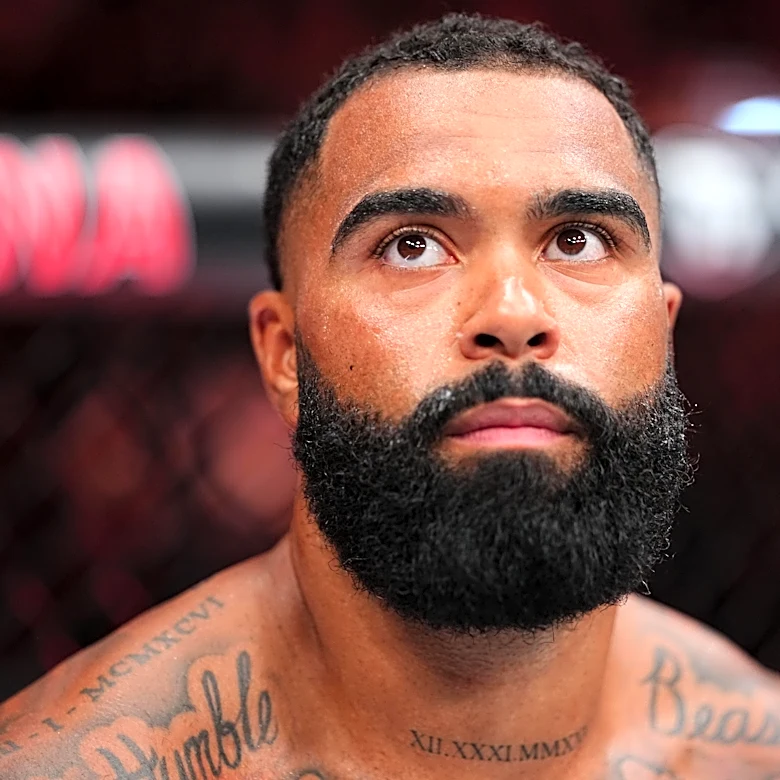
WWE's ambitious plan to fast-track Olympic gold medalist Gable Steveson to main roster stardom, mirroring Brock Lesnar's rapid ascent in 2002, has largely failed. Despite significant corporate backing and an initial high-profile signing after his Tokyo
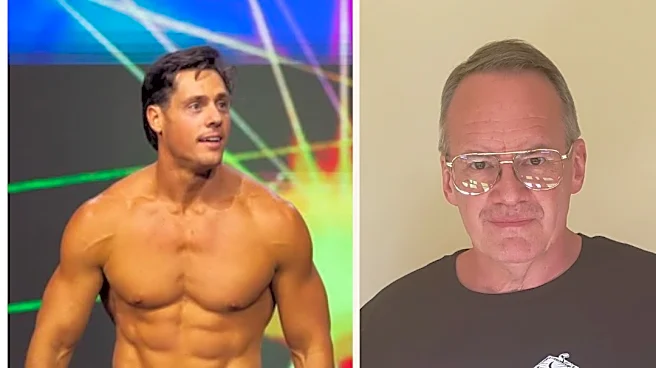
Games victory, Steveson spent 32 months in development without a single televised main roster match or pay-per-view appearance before his official release in May 2024. This contrasts sharply with Lesnar, who debuted on RAW in March 2002 and won the WWE Undisputed Championship just 126 days later, working 58 televised matches in his inaugural year. The key difference identified was Steveson's lack of 'talking ability and screen presence,' a critical component that Lesnar compensated for with Paul Heyman as his manager. WWE also overlooked Lesnar's nearly two years of developmental training under Jim Cornette and Danny Davis in Ohio Valley Wrestling, a pipeline Steveson was expected to bypass entirely.
Why It's Important?
This situation is important because it highlights a significant miscalculation in WWE's talent development strategy and scouting model. The failure of the Gable Steveson project, despite his elite amateur wrestling credentials, underscores that athletic prowess alone is insufficient for success in professional wrestling. The industry demands a unique blend of physical skill, charisma, and the ability to connect with an audience through promos and character work. This case serves as a cautionary tale for sports entertainment companies considering similar fast-track approaches, emphasizing the critical role of developmental training and the need for comprehensive skill sets beyond pure athleticism. It also impacts the perception of Olympic athletes transitioning into professional wrestling, suggesting that the path is more complex than previously assumed and that a 'Brock Lesnar blueprint' is not easily replicable.
What's Next?
Following Steveson's release from WWE and his subsequent 12-second loss in his MMA debut, the focus for WWE will likely shift towards re-evaluating their talent acquisition and development processes for crossover athletes. They may place a greater emphasis on comprehensive developmental training, including mic skills and character development, rather than solely relying on athletic accolades. For other aspiring athletes looking to transition into professional wrestling, Steveson's experience will serve as a stark reminder of the multifaceted demands of the industry. WWE might also explore alternative strategies for integrating highly decorated athletes, potentially through longer developmental periods or by pairing them with established managers who can compensate for initial weaknesses in presentation.
Beyond the Headlines
The Gable Steveson case delves into the deeper complexities of translating success from one athletic domain to another, particularly into the unique world of professional wrestling. It exposes the fundamental differences between amateur wrestling, which prioritizes rigid defensive posture and explosive linear movements, and professional wrestling, which requires fluid rotational movement, deliberate 'selling' of moves, and constant engagement with the audience and cameras. The reliance on veteran workers like Trevor Lee (Cameron Grimes) to carry Steveson through untelevised 'dark matches' further illustrates the gap in his foundational professional wrestling skills. This situation raises questions about the ethical implications of pushing athletes into high-pressure roles without adequate preparation and the potential psychological impact on individuals who fail to meet such high expectations. It also highlights the cultural aspect of professional wrestling, where storytelling and character are as crucial as athletic performance, a dimension often underestimated by those outside the industry.