









What's Happening?
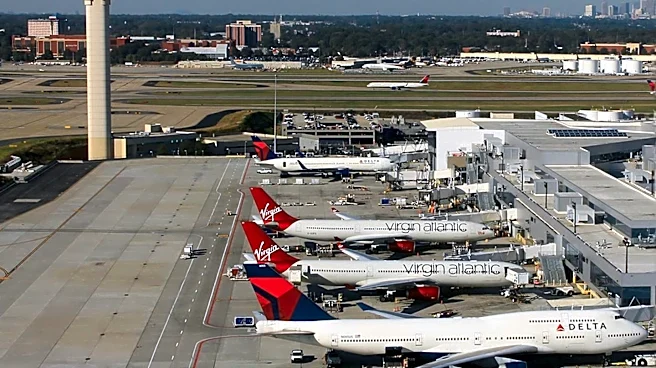
Delta Air Lines CEO Ed Bastian has voiced strong opposition to London Heathrow Airport's (LHR) decision to relocate Delta's operations from Terminal 3 to Terminal 4 in 2028. This move would separate Delta from its joint venture partner, Virgin Atlantic,
with whom it has shared Terminal 3 since 2016. Bastian described the proposal as 'short-sighted, deeply disappointing and bad for airline consumers,' and stated that Delta will 'pursue all available remedies to correct this decision.' The co-location in Terminal 3 has allowed for convenient connections, premium amenities, and access to an expanded global network for millions of customers. Moving Delta to Terminal 4 would necessitate passengers connecting between the partner airlines to change terminals and clear security again, despite LHR providing airside transfer buses. Delta owns 49% of Virgin Atlantic, and their transatlantic joint venture, launched in 2014, coordinates schedules and commercial activity, expanding in 2020 to include Air France and KLM.
Why It's Important?
The proposed relocation by Heathrow Airport carries significant implications for U.S. airline consumers and the transatlantic aviation market. The separation of Delta and Virgin Atlantic would disrupt a decade-long co-location that has facilitated seamless connections and a competitive alternative for travelers. This move could lead to increased inconvenience for passengers, as they would be required to navigate terminal changes and additional security checks, potentially lengthening travel times and reducing the overall travel experience. Furthermore, the weakening of the Delta-Virgin Atlantic partnership's operational efficiency could impact competition in the transatlantic market, where they provide a significant alternative to the joint venture between British Airways and American Airlines. The investment made in integrating the airlines' operations, which includes joint marketing, pricing, revenue management, and network planning, would be disregarded, potentially affecting the profitability and strategic alignment of these U.S. and UK carriers.
What's Next?
Delta Air Lines has indicated its intention to 'pursue all available remedies' to challenge Heathrow Airport's decision. This could involve various actions, including further negotiations with LHR, potential legal challenges, or regulatory complaints, similar to considerations previously expressed by Virgin Atlantic. The airlines will likely continue to advocate for the preservation of their co-located operations in Terminal 3, emphasizing the benefits for consumers and market competition. Heathrow Airport, on its part, has stated that the plan followed consultations with its airline customers and aims to 'make the best use of current terminal capacity and deliver a better overall experience for passengers.' The coming months will likely see continued discussions and potential disputes as Delta and Virgin Atlantic seek to reverse or mitigate the impact of the relocation, which is slated for 2028.
Beyond the Headlines
The dispute between Delta Air Lines and Heathrow Airport highlights broader issues within the global aviation industry concerning airport infrastructure, airline partnerships, and passenger experience. The decision to relocate a major airline and its key partner underscores the complex interplay between airport management, airline operational strategies, and regulatory frameworks. This situation could set a precedent for how airports manage terminal capacity and how airlines respond to such changes, particularly when long-standing joint ventures are affected. It also brings to light the economic and logistical challenges of maintaining seamless international travel, especially in major hubs like Heathrow. The outcome of Delta's challenge could influence future airport development plans and airline alliance strategies, potentially leading to more robust contractual agreements or regulatory oversight to protect integrated airline operations and consumer interests.