






What's Happening?
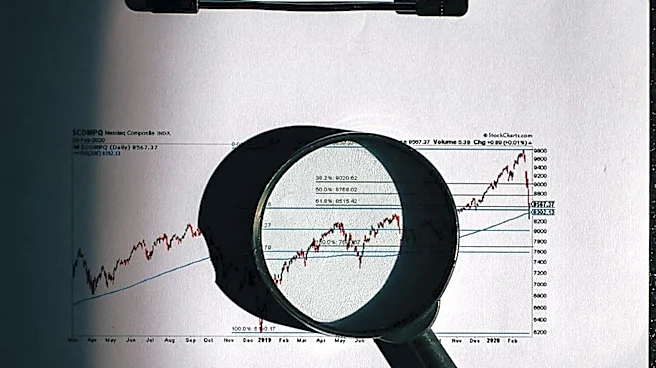
The S&P 500 and Nasdaq Composite have recently entered market correction territory, experiencing declines of 12% and 18% respectively from their peak values. This downturn is attributed to anxieties surrounding artificial intelligence (AI) spending and expectations
of higher interest rates. In response to these market conditions, Warren Buffett, a prominent investor, has reiterated his long-standing advice for investors. He recommends that most individuals should avoid investing in individual stocks and instead opt for a diversified portfolio, specifically suggesting a low-cost S&P 500 index fund. Buffett's 2013 shareholder letter for Berkshire Hathaway emphasized this strategy, highlighting the benefits of owning a broad set of American businesses through such a fund.
Why It's Important?
Warren Buffett's guidance to invest in S&P 500 index funds during a market correction holds significant weight for U.S. investors, particularly those seeking stability and long-term growth. His endorsement of diversified funds like the Vanguard S&P 500 ETF provides a clear, accessible strategy for navigating volatile markets. This approach is crucial for individual investors who may lack the expertise or time to research and manage individual stocks, offering exposure to 500 large American companies across all 11 stock market sectors. Historically, the S&P 500 has demonstrated strong recovery after corrections, with an average return of 13% in the 12 months following its first close in correction territory over the last two decades. This historical performance, coupled with Buffett's advice, could encourage more retail investors to adopt a long-term, buy-and-hold mentality, potentially stabilizing market sentiment during periods of uncertainty.
What's Next?
Given the current market correction, investors are likely to re-evaluate their portfolios. Buffett's advice may lead to increased interest and investment in S&P 500 index funds, such as the Vanguard S&P 500 ETF. Financial advisors may also increasingly recommend this strategy to their clients as a prudent measure against market volatility. The historical data suggesting positive returns following corrections could instill confidence in investors, encouraging them to view the current downturn as a buying opportunity rather than a signal for panic selling. Wall Street analysts are also optimistic, with a bottom-up target price indicating a potential 32% upside for the S&P 500 over the next 12 months, particularly in the technology and communication services sectors. This outlook suggests a potential rebound, reinforcing the long-term viability of a diversified index fund approach.
Beyond the Headlines
The current market correction and Warren Buffett's advice underscore a fundamental principle of investing: the importance of diversification and a long-term perspective. The anxiety surrounding AI spending, while a contemporary concern, reflects a recurring pattern of market apprehension towards new technologies and economic shifts. Buffett's consistent advocacy for index funds highlights a broader critique of speculative individual stock picking, promoting a more democratic and less risky investment path for the average American. This approach also implicitly addresses the psychological aspects of investing, helping to mitigate emotional decision-making during market downturns. The low expense ratios of funds like the Vanguard S&P 500 ETF further democratize investing by ensuring that more of an investor's capital goes towards growth rather than fees, fostering greater financial inclusion and wealth building over time.