
What's Happening?
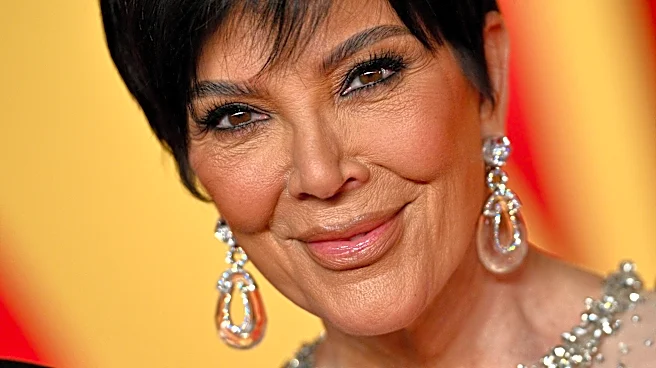
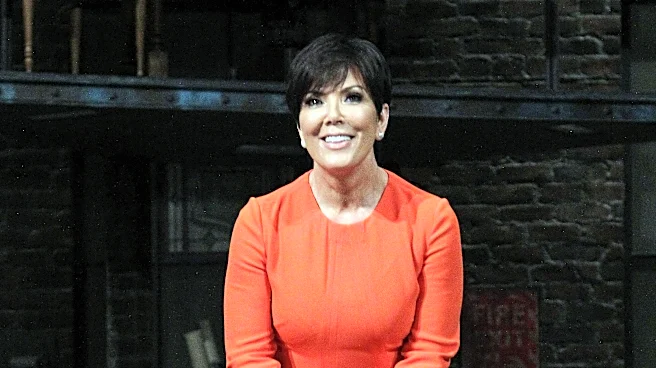
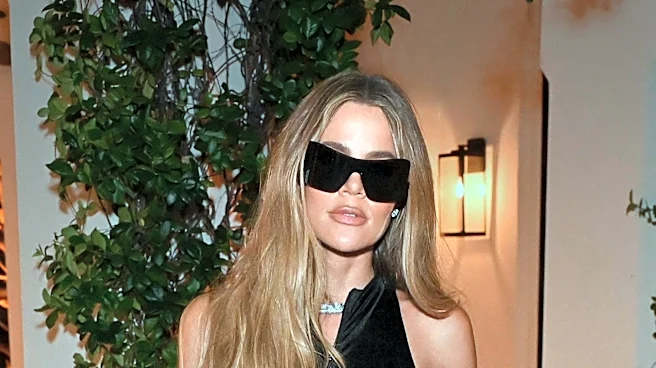
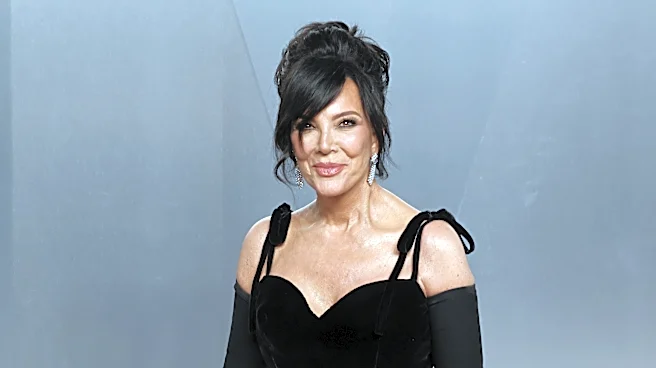
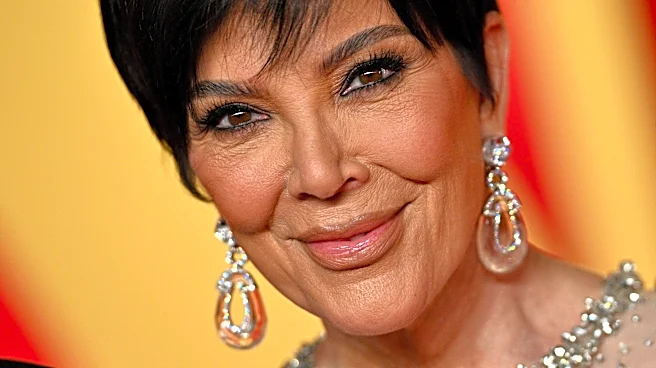
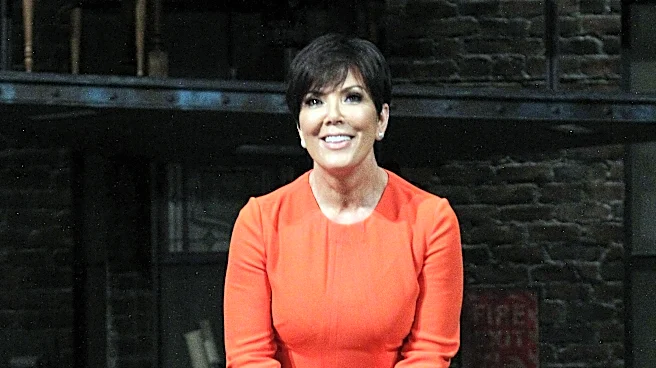
Kris Jenner, a reality television personality, has publicly refuted claims that she regretted her recent facelift or was dissatisfied with her surgeon, Dr. Steven Levine. Speaking on her daughter Khloé Kardashian's podcast, 'Khloé in Wonder Land,' Jenner addressed
weeks of media speculation suggesting her reported $100,000 procedure was 'slipping' and that she was unhappy with the results. Jenner emphatically stated that these rumors were false, asserting, 'I love my facelift. I adore my doctor. I'm obsessed with him.' She clarified that her primary motivation for speaking out was to defend Dr. Levine's reputation, as the false claims were negatively impacting him. Jenner also mentioned that she had not intended to publicize the operation, but commentary arose after photographs taken during Lauren Sánchez's wedding celebrations in Paris prompted public scrutiny of her appearance. She emphasized that the goal of the surgery was to achieve a 'beautiful lift' and a 'refresh' with a defined jawline, which she believes was accomplished. She also denied ever having surgery on her nose.
Why It's Important?
This public statement from Kris Jenner is significant as it directly counters widespread media speculation regarding cosmetic procedures among public figures. It highlights the intense scrutiny celebrities face concerning their appearance and the rapid spread of unsubstantiated rumors. Jenner's defense of her surgeon underscores the potential impact of such speculation on professional reputations within the medical field. Her decision to address the rumors on her daughter's podcast also demonstrates the power of direct communication channels for celebrities to control their narratives, bypassing traditional media filters. The incident also touches upon broader societal discussions about aging, cosmetic surgery, and body image, particularly among women in the public eye. By openly discussing her satisfaction with the procedure and her surgeon, Jenner contributes to a more transparent dialogue about personal choices regarding aesthetic enhancements, potentially influencing public perception and reducing stigma.
What's Next?
Following Kris Jenner's clear denial of facelift regret and her strong defense of Dr. Steven Levine, it is likely that the immediate wave of speculation surrounding her recent cosmetic procedure will subside. Her direct address on 'Khloé in Wonder Land' serves as a definitive statement, aiming to put an end to the rumors. Future discussions in media outlets and online forums regarding Jenner's appearance may shift from questioning her satisfaction to acknowledging her stated contentment. This event could also encourage other public figures to be more direct in addressing personal matters, especially when professional reputations are at stake. For Dr. Levine, Jenner's public endorsement could reinforce his professional standing, potentially attracting more clients. The broader conversation around celebrity cosmetic procedures might see a temporary shift towards more positive or neutral discussions, at least concerning Jenner's specific case.
Beyond the Headlines
Beyond the immediate headlines, this situation illuminates several deeper implications regarding celebrity culture, media ethics, and the public's perception of cosmetic surgery. The rapid dissemination of unverified claims about Jenner's facelift highlights the challenges public figures face in controlling their personal narratives in the digital age, where speculation can quickly morph into perceived fact. It also raises questions about the responsibility of media outlets and online commentators to verify information before publishing, especially when it impacts individuals' reputations. Ethically, Jenner's decision to defend her surgeon underscores the professional vulnerability of medical practitioners when their work becomes subject to public scrutiny based on rumor. Culturally, her openness about undergoing a facelift and her satisfaction with the results contribute to normalizing cosmetic procedures as a personal choice, potentially influencing societal attitudes towards aging and beauty standards. This event reinforces the ongoing tension between public curiosity about celebrity lives and the right to privacy and accurate representation.