
What's Happening?
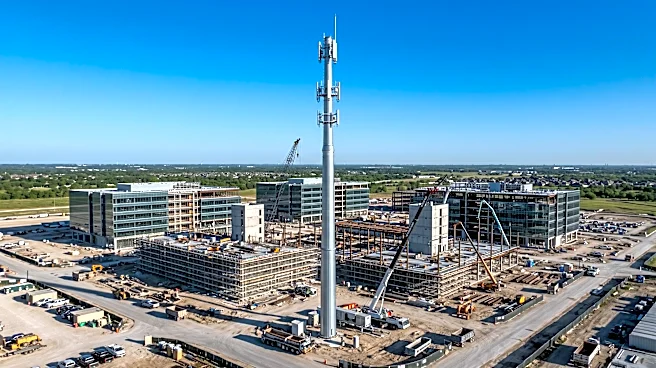
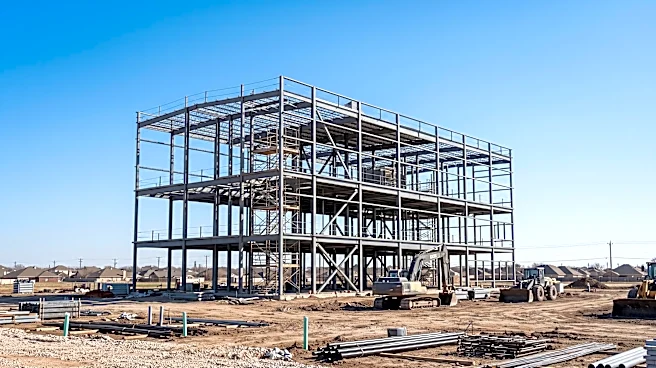
The construction of the Stargate data center in Abilene, Texas, has intensified an existing housing shortage, leading to increased housing unaffordability for local residents. This influx of workers for the data center project
has put additional strain on the local housing market. Data centers, while bringing substantial investment, also demand significant electricity and sometimes water resources. However, they typically generate relatively few permanent jobs after the construction phase. The economic benefits, such as property taxes, can be substantial, but incentives and abatements often reduce these returns. Communities like Abilene are grappling with evaluating whether the local benefits of such developments justify the infrastructure demands, environmental impacts, and changes in land use.
Why It's Important?
This situation in Abilene highlights a growing challenge for U.S. communities attracting large-scale industrial developments, particularly data centers. While these projects promise economic growth, they can also create significant social and environmental costs, such as housing crises and increased demand for utilities. The experience in Abilene underscores the need for local governments to develop stronger institutional capacities to negotiate agreements that ensure lasting local benefits and mitigate negative impacts. Without careful planning and negotiation, the economic value generated by data centers may largely accrue to external companies and investors, leaving host communities to bear the brunt of infrastructure strain and social disruption. This issue is particularly relevant in states like Texas, which are experiencing rapid data center expansion.
What's Next?
Communities across Texas and the U.S. will likely continue to face similar challenges as data center development accelerates. Local governments may consider temporary moratoriums on approvals to allow time for assessing cumulative impacts, establishing new standards, and strengthening their negotiation capabilities. The experience of other industries, such as oil and gas, offers lessons for addressing the imbalance between developers and local authorities. Texas, in particular, is encouraged to draw on this experience to enhance local expertise, empower communities in development decisions, make commitments enforceable, and protect against long-term burdens. The ongoing evaluation of these projects will be crucial for shaping future industrial development policies.
Beyond the Headlines
The Abilene situation reveals a deeper tension between rapid technological advancement and sustainable community development. The promise of high-tech investment often overshadows the less visible, yet profound, impacts on local populations and resources. This scenario raises ethical questions about equitable distribution of benefits and burdens, and the responsibility of large corporations towards the communities they enter. It also points to a potential long-term shift in how local governments approach industrial recruitment, moving towards more comprehensive impact assessments and benefit-sharing agreements. The challenge is not just about managing growth, but about ensuring that growth genuinely serves the long-term well-being of the residents and the environment.