








What's Happening?
The hospitality industry is preparing for significant changes by 2026, driven by rising operational costs and the need for digital transformation. According to a survey by Amadeus, involving 500 hotel leaders globally and 100 in the Asia-Pacific region,
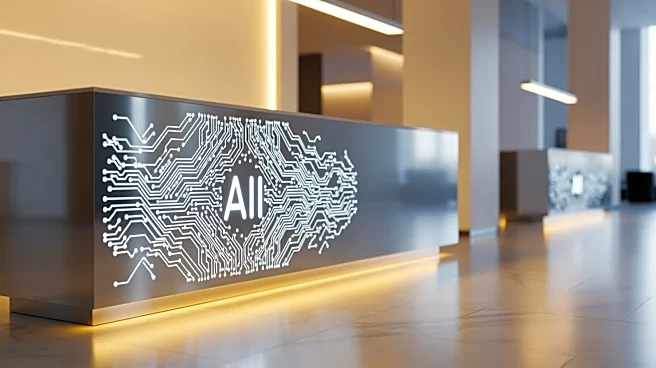
the industry is facing a convergence of challenges including increased costs, evolving guest expectations, and technological advancements. The survey highlights the importance of integrating artificial intelligence (AI) into operations to enhance guest experiences. Hotels are moving beyond using AI as a mere tool, aiming to make it an integral part of their operations. This shift is expected to transform AI from a back-office function to a guest-facing core, with planned investments in AI for personalized recommendations, sentiment analysis, and predictive housekeeping.
Why It's Important?
The integration of AI into the hospitality industry is crucial as it addresses the growing demand for personalized and seamless guest experiences. As guests increasingly expect more from their stays, hotels that effectively utilize AI to enhance service delivery will gain a competitive edge. The focus on AI is not just about technology but about creating a human-centric experience that meets the evolving needs of guests. This transformation is expected to redefine loyalty programs, shifting from traditional points systems to engagement-driven models. The ability to harness AI effectively will determine which hotels can adapt to these changes and thrive in a competitive market.
What's Next?
In the coming months, hotels are expected to focus on unifying guest data to create a connected and clean data infrastructure. This will enable more effective use of AI in operations. Over the next 18 to 36 months, the industry will likely see AI becoming an operating layer that integrates with customer relationship management and revenue systems. The ultimate goal is to differentiate through orchestrated human experiences, where technology supports but does not overshadow the human element. This approach will help hotels create sustainable operations and position themselves as platforms for experiences rather than just accommodations.
Beyond the Headlines
The shift towards AI and human experience integration in hospitality raises important ethical and cultural considerations. As hotels collect and utilize more guest data, issues of privacy and consent become paramount. Additionally, the emphasis on personalized experiences may lead to increased pressure on staff to deliver high-touch service, necessitating training and support. The industry's move towards sustainability, embedded in operations rather than as a marketing tool, reflects a broader cultural shift towards responsible business practices. These changes could redefine the hospitality landscape, influencing how hotels operate and compete in the future.