



What's Happening?
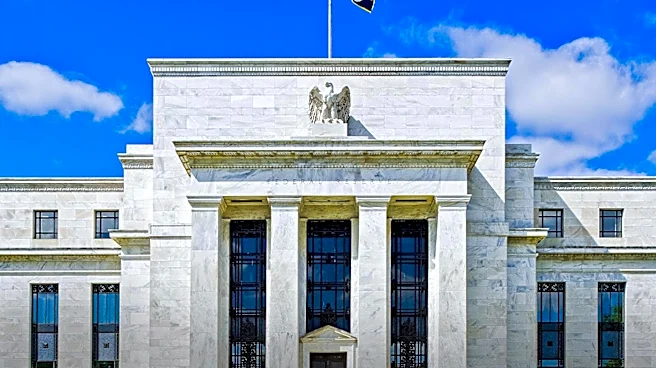
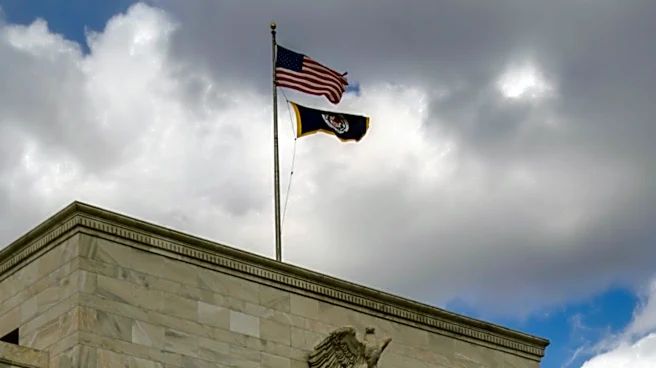
Federal Reserve Governor Michael S. Barr recently spoke at the Federal Reserve Bank of New York, emphasizing the critical need for increased investment in underserved communities across the United States. Barr highlighted that despite a strong overall
economy, many middle- and lower-income households and communities are struggling, with an estimated 44 percent of Americans residing in low-income areas where a significant portion of the population lives below the poverty line. These communities often face insufficient investment in housing, business, and infrastructure. Barr pointed to market failures, such as information asymmetries, that hinder private sector investment in these areas. He advocated for public-private partnerships, including collaborations with Community Development Financial Institutions (CDFIs), to overcome these challenges and channel credit, investment, and services to those most in need. He cited successful examples like the City Point project in Brooklyn, which leveraged the New Markets Tax Credit (NMTC) to create affordable housing, a supermarket, and retail space, and the conversion of a historic railway station in Middletown, New York, into a community center, also partly financed by the NMTC.
Why It's Important?
Governor Barr's remarks underscore a significant economic and social challenge within the U.S.: the uneven distribution of prosperity despite overall economic strength. The lack of investment in underserved communities can perpetuate cycles of poverty, limit economic mobility, and hinder national growth. By advocating for targeted investments and public-private partnerships, Barr highlights a strategy to unlock economic potential in these areas. Increased investment can lead to job creation, improved housing, better access to essential services, and enhanced local economies. This approach is crucial for fostering long-term stability and resilience in communities, which in turn contributes to broader national prosperity. The involvement of the Federal Reserve in promoting such initiatives signals a recognition that monetary policy alone cannot address all economic disparities, and that community development is integral to a healthy national economy. The success of these programs can reduce social inequalities and strengthen the economic fabric of the nation.
What's Next?
The Federal Reserve, through its Community Development function, will likely continue to champion initiatives aimed at increasing investment in low- and moderate-income communities. Governor Barr's speech suggests a continued focus on fostering public-private partnerships and leveraging tools like the New Markets Tax Credit and the Low-Income Housing Tax Credit. Policymakers and community leaders are expected to explore and implement similar models across the country, drawing lessons from successful projects in New York and other regions. The emphasis on CDFIs indicates a potential for increased support and collaboration with these financial institutions, which are often on the front lines of community development. Future efforts will likely involve continued monitoring of economic data and community needs to adapt strategies and ensure that investments effectively address root causes of economic challenges and promote sustainable growth.
Beyond the Headlines
The Federal Reserve's active role in advocating for community development extends beyond traditional monetary policy, highlighting a broader understanding of economic health. This approach acknowledges that a robust national economy is intrinsically linked to the well-being of all its communities, not just the most affluent. The focus on addressing market failures and information asymmetries in underserved areas points to a systemic issue where conventional financial mechanisms may not adequately serve certain populations. This initiative could lead to a re-evaluation of how financial institutions assess risk and opportunity in low-income communities, potentially fostering more inclusive lending and investment practices. Furthermore, the emphasis on public-private partnerships suggests a shift towards collaborative governance models where government, private sector, and non-profit organizations work in concert to achieve social and economic objectives, potentially setting a precedent for addressing other complex societal challenges.