

What's Happening?
Home organization trends for 2026 are moving away from aggressive purging and aesthetic perfection towards creating practical, maintainable systems that align with daily routines. The focus is on intentionality, keeping items that are useful or meaningful,
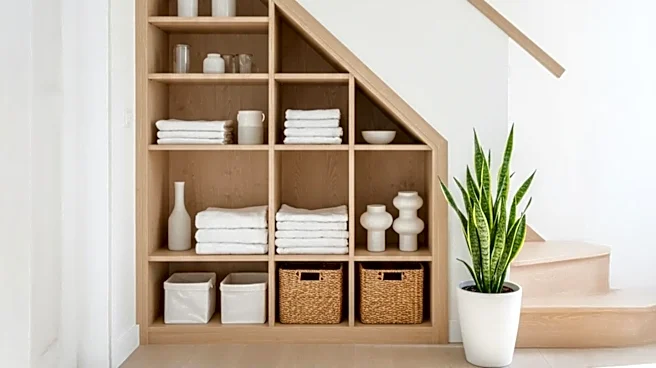
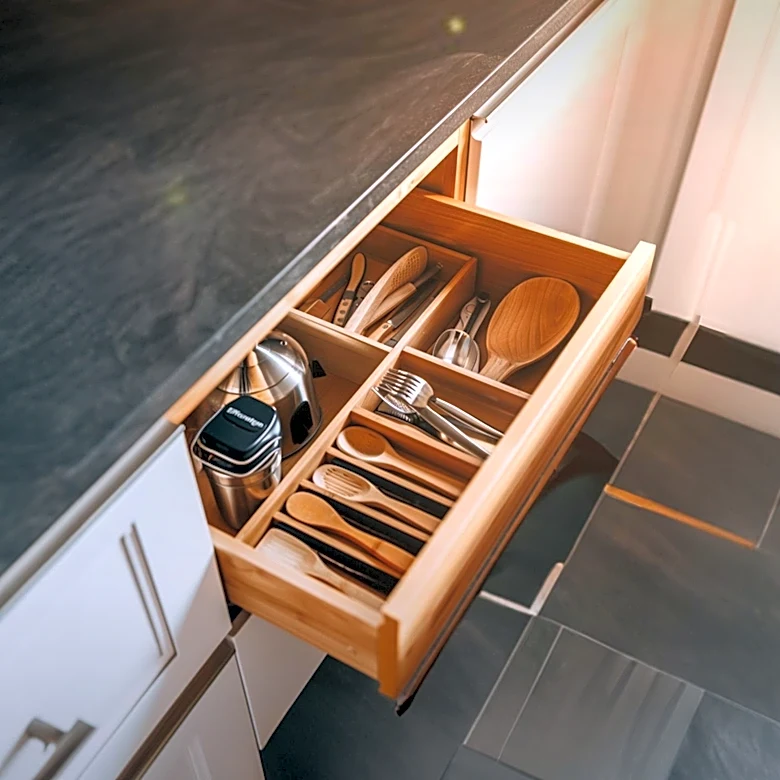
rather than simply owning the fewest possessions. This shift involves creating clear zones for items based on purpose, such as dedicated areas for sports equipment or baking supplies, rather than relying solely on numerous bins. Homeowners are also increasingly utilizing vertical storage to maximize unused space, looking above existing shelves, behind doors, and at unused wall areas. Professional organizers are playing a key role by offering objective perspectives to facilitate difficult decluttering decisions. The goal is to make organization easier to sustain in real life, reducing stress and making it simpler to return items to their designated places.
Why It's Important?
This evolution in home organization reflects a broader societal move towards sustainability and mental well-being. Aggressive decluttering can be stressful and emotional, and the new approach aims to alleviate this by focusing on practicality and personal relevance. For consumers, this means less pressure to achieve an 'Instagram-perfect' home and more emphasis on functional living spaces that reduce daily friction. The increased use of professional organizers indicates a growing recognition of the value of expert guidance in managing personal environments. This trend also impacts the retail sector, as demand shifts towards modular, adaptable, and visible storage solutions that support these new organizational philosophies, potentially influencing product development and marketing strategies for home goods companies.
What's Next?
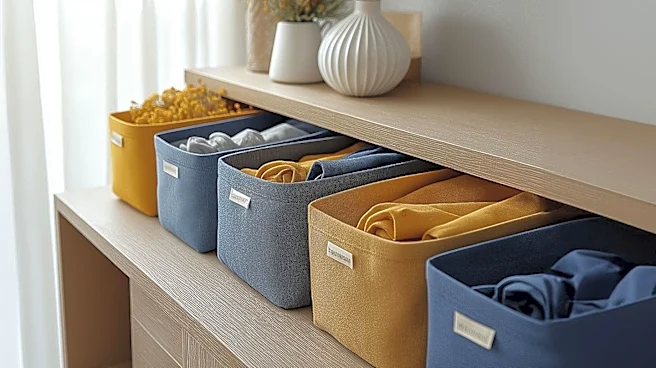
The home organization market is expected to continue adapting to these trends, with manufacturers likely to focus on producing more versatile, modular, and aesthetically pleasing storage solutions that cater to specific 'zones' within a home. Professional organizing services will likely see continued demand as more individuals seek assistance in implementing these practical, routine-based systems. Consumers can anticipate a wider array of products designed for vertical storage and visible-but-tidy solutions, such as clear bins and open baskets. The emphasis on sustainability will also drive demand for products made from eco-friendly materials, influencing purchasing decisions and product innovation in the coming years.
Beyond the Headlines
The shift in decluttering trends highlights a deeper cultural movement away from aspirational, often unattainable, lifestyle ideals towards more realistic and sustainable practices. This reflects a growing awareness of the psychological impact of one's living environment, where a well-organized, functional home contributes to reduced stress and improved mental well-being. The trend also underscores the increasing value placed on professional services that help individuals navigate complex personal challenges, such as managing possessions. This could lead to a re-evaluation of consumerism, encouraging more thoughtful purchasing decisions and a greater appreciation for items that genuinely add value or meaning to one's life, rather than simply accumulating possessions.