
What's Happening?
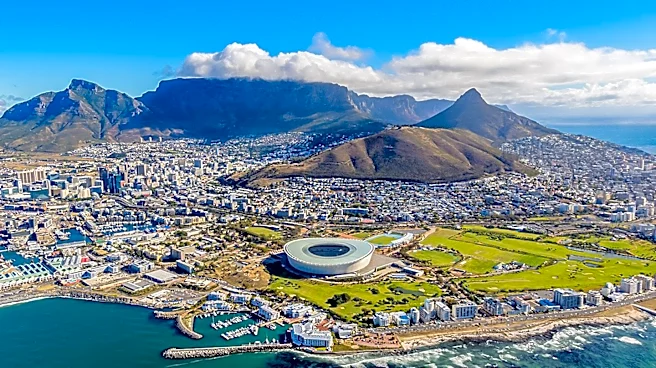
Cape Town, South Africa's oldest city, established in 1652 as a resupply point for Dutch ships, is a popular destination known for its blend of natural beauty and urban life. Visitors typically spend three
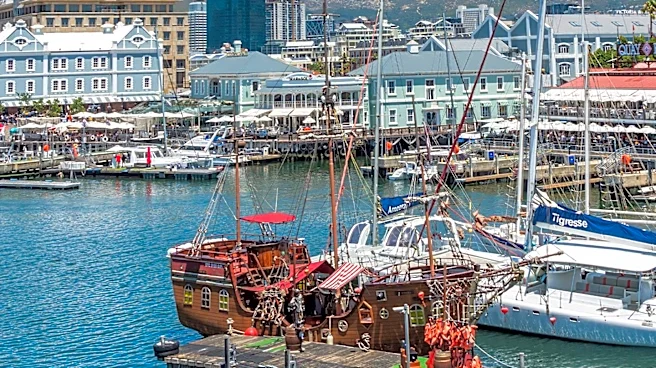
full days exploring the city's main features: the mountain and City Bowl, the Cape Peninsula, and the nearby Winelands. The city boasts attractions such as Table Mountain, accessible by cableway, and Robben Island, a historical site where Nelson Mandela was imprisoned, reachable by ferry from the V&A Waterfront. The Bo-Kaap neighborhood is noted for its brightly colored houses and Cape Malay community heritage. The Cape Peninsula offers scenic drives, including Chapman's Peak Drive, and opportunities to see African penguins at Boulders Beach. The Cape Winelands, featuring Stellenbosch and Franschhoek, provide cellar tours, wine tastings, and dining experiences. The city also hosts events like the Cape Town Cycle Tour, scheduled for March 14, 2027.
Why It's Important?
Cape Town's diverse offerings contribute significantly to South Africa's tourism sector, attracting a wide range of international visitors. The city's historical sites, like Robben Island, offer profound educational and cultural experiences, highlighting South Africa's past and its journey towards democracy. The natural attractions, such as Table Mountain and the Cape Peninsula, showcase the country's unique biodiversity and stunning landscapes, appealing to eco-tourists and adventure seekers. The Winelands region supports a thriving agricultural and culinary industry, drawing food and wine enthusiasts. This multifaceted appeal helps to sustain local economies through job creation in hospitality, transportation, and related services, making Cape Town a crucial hub for South African tourism and a gateway for visitors exploring the broader region, including safari destinations.
What's Next?
Cape Town continues to position itself as a premier tourist destination, with ongoing efforts to enhance visitor experiences and infrastructure. The scheduling of events like the Cape Town Cycle Tour in 2027 indicates a forward-looking approach to attracting large-scale international participation. Continued development in the tourism sector will likely focus on sustainable practices to preserve its natural and cultural heritage while accommodating growing visitor numbers. Marketing efforts may also target emerging markets, such as China, to further diversify its tourist base. The city's ability to adapt to global travel trends and maintain its unique appeal will be key to its sustained importance in the international tourism landscape.
Beyond the Headlines
Beyond its immediate economic impact, Cape Town's role as a cultural melting pot, influenced by its history as a port city, fosters a rich tapestry of traditions and cuisines. The preservation of areas like the Bo-Kaap and the historical significance of Robben Island underscore the city's commitment to acknowledging and celebrating its complex past. The interaction between urban development and natural conservation, particularly with Table Mountain National Park, presents ongoing challenges and opportunities for sustainable growth. The city's vibrant arts scene, diverse culinary landscape, and outdoor lifestyle contribute to its global image as a dynamic and desirable place to visit and live, reflecting broader trends in urban development that prioritize quality of life and cultural richness.