

What's Happening?
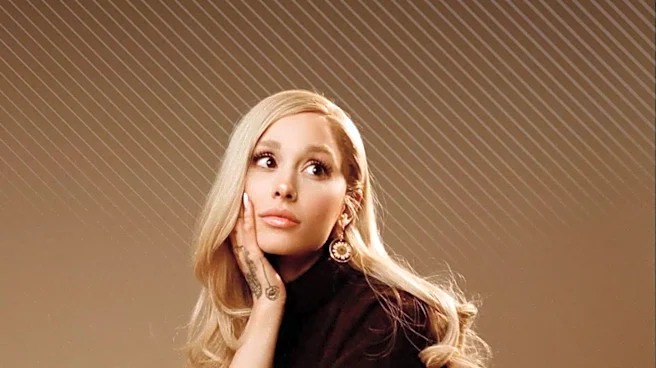
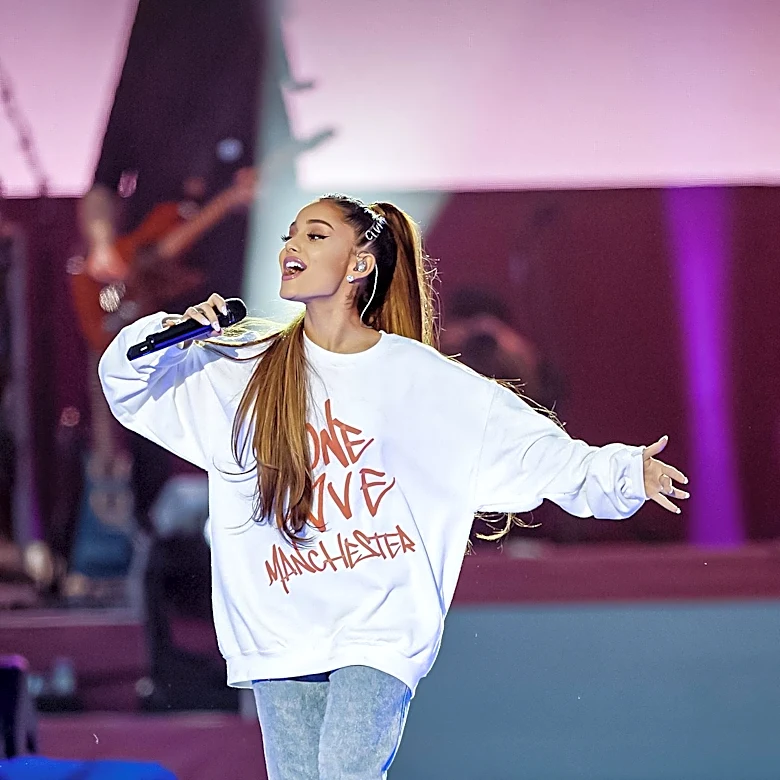
A Los Angeles judge has granted Ariana Grande expedited subpoena power to identify hackers accused of stealing and leaking her unreleased music, photos, and videos. According to Grande's legal filings, these materials were subsequently sold on the 'dark
web' for significant sums. The ruling by Los Angeles County Superior Court Judge Mark H. Epstein waives the standard 20-day waiting period for notifying defendants, acknowledging that Grande cannot identify the alleged hackers without this discovery. Grande's lawsuit, filed on July 27, claims that hackers accessed the personal digital accounts of her photographers and producers through stolen login credentials and phishing schemes. In 2023 alone, 45 of her unreleased songs were reportedly stolen and leaked. Since her music debut in 2011, hundreds of similar leaks have occurred, causing what her filings describe as 'irreparable harm.' The stolen content has allegedly been hosted on various platforms including Twitter, Instagram, Discord, TikTok, and YouTube.
Why It's Important?
This ruling is significant for artists and intellectual property rights holders in the digital age, setting a precedent for how courts may address sophisticated online piracy. The ability to obtain expedited subpoenas can be crucial in cases where perpetrators actively conceal their identities across multiple platforms and use peer-to-peer payment systems that do not publicly disclose user information. For the music industry, this case highlights the ongoing challenges of protecting unreleased creative works from digital theft and unauthorized distribution. The 'dark web' aspect underscores the evolving methods used by criminals to monetize stolen content, posing a complex threat to artists' livelihoods and creative control. The outcome of this case could influence future legal strategies for combating digital piracy and potentially lead to more robust protective measures for artists' digital assets.
What's Next?
The case is scheduled for a status hearing on January 25. With the expedited subpoena power, Ariana Grande and her legal team will now proceed with obtaining business records from various platforms to identify the perpetrators. This process will likely involve compelling social media companies, file-sharing services, and other online platforms to disclose account and subscriber data associated with the leaked content. The success of these subpoenas in unmasking the hackers will be a critical next step. If identified, the alleged hackers could face legal action for copyright infringement, theft, and other related charges. The case may also prompt discussions within the entertainment industry about enhancing cybersecurity protocols for artists and their collaborators to prevent future breaches.
Beyond the Headlines
Beyond the immediate legal implications, this case sheds light on the broader ethical and cultural dimensions of digital privacy and intellectual property in the internet era. The continuous leaking of unreleased material not only causes financial damage but also infringes upon an artist's creative process and control over their work's presentation. The 'dark web' element points to a growing underground economy for stolen digital assets, raising questions about the effectiveness of current regulatory frameworks and law enforcement capabilities in policing these illicit markets. This situation also underscores the vulnerability of individuals, even high-profile figures, to sophisticated cyberattacks and the need for constant vigilance and advanced security measures in an increasingly interconnected digital world. The case could contribute to a larger conversation about digital rights management and the responsibilities of online platforms in preventing the dissemination of stolen content.