







What's Happening?
As the lawn-mowing season concludes, proper winterization of lawn mowers is crucial to ensure their smooth operation next spring. Neglecting this maintenance can lead to issues such as stale fuel, clogged carburetors, and non-starting engines. The process
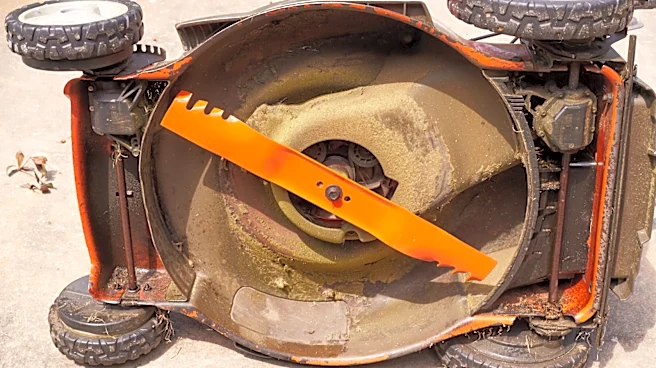
involves six key steps. First, manage the fuel in gas mowers either by adding a fuel stabilizer (like Sta-Bil, Sea Foam, or Ethanol Shield) to prevent gasoline breakdown and deposit formation, or by completely emptying the fuel tank. Second, clean the underside of the mower, removing grass clippings and dirt to prevent corrosion, and apply a protective coating. Third, change the oil and check filters, warming the oil before draining and replacing the oil filter if applicable. Fourth, inspect and service the blade for sharpness and damage, sharpening or replacing it as needed, and check the spark plug for wear. Fifth, for battery-operated mowers, properly store the battery indoors, partially charged for lithium-ion or fully charged with a maintainer for lead-acid. Finally, store the mower in a dry, sheltered location, ideally covered, away from corrosive chemicals.
Why It's Important?
Proper lawn mower winterization is important for several reasons, primarily extending the lifespan of the equipment and ensuring its reliability for the next season. For homeowners and landscaping businesses, a well-maintained mower prevents costly repairs or replacements, saving time and money. The steps outlined, such as fuel stabilization or draining, directly address common issues like carburetor clogging, which can be expensive to fix. Regular maintenance also contributes to the efficiency of the mower, ensuring it operates optimally and reduces fuel consumption. Furthermore, inspecting and servicing components like blades and spark plugs enhances safety and performance. By following these guidelines, users can avoid the frustration of a malfunctioning mower in the spring, ensuring they are ready for the growing season without unexpected delays or expenses.
What's Next?
Following these winterization steps, the lawn mower will be prepared for storage until the next spring. Users should ensure the mower is stored in a cool, dry, and sheltered environment, protected from the elements and corrosive substances. For battery-powered mowers or those with electric starters, periodic checks of battery charge levels, especially for lead-acid batteries, will be necessary throughout the winter. As spring approaches, the mower will be ready for immediate use, assuming proper winterization was performed. This proactive maintenance eliminates the need for extensive repairs or troubleshooting at the start of the mowing season, allowing for a seamless transition back to lawn care activities. The next step will be to retrieve the mower from storage, perform a quick pre-season check, and begin operation.
Beyond the Headlines
The seemingly mundane task of winterizing a lawn mower touches upon broader themes of consumer responsibility, product longevity, and environmental impact. By encouraging proper maintenance, these guidelines promote a 'repair, don't replace' mentality, which is crucial for reducing waste and conserving resources. The emphasis on fuel management, whether through stabilizers or draining, also highlights the chemical properties of gasoline and its potential to degrade, underscoring the importance of understanding the materials we use. Furthermore, the advice on battery care reflects the growing shift towards electric outdoor power equipment and the need for specific knowledge regarding different battery chemistries. This routine maintenance, while practical, also serves as a small-scale lesson in mechanical care and the value of preventative measures, contributing to a more sustainable approach to household and garden equipment ownership.