




What's Happening?
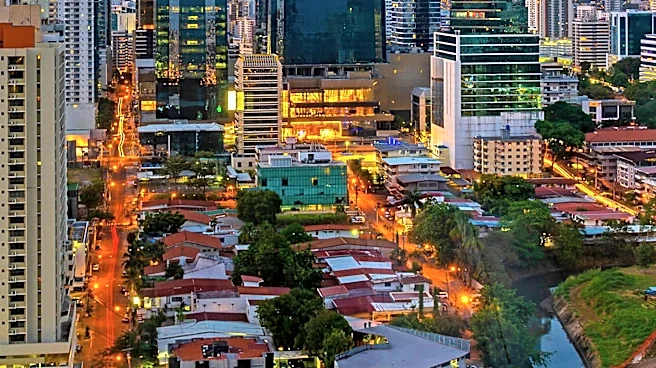
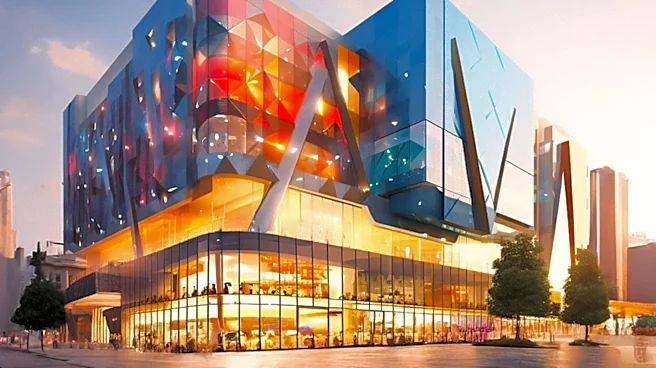
Antara, a prominent commercial destination in Mexico City's Colonia Granada, is undergoing a significant transformation aimed at elevating its cultural offerings. Developed by SOMA and designed by Sordo Madaleno, the project seeks to integrate art into
the retail and hospitality environment. This includes the installation of 'Slides' by German conceptual artist Carsten Höller, a series of four stainless steel slides of varying lengths that twist and turn, spilling into the Antara courtyard. These slides originate from different points within the complex, including a hotel rooftop, Google headquarters, a family restaurant, and an art center. Additionally, the site will feature rotating art installations annually, with Copenhagen-based artists Superflex creating the initial pieces, such as a large temporary architectural installation called 'Romeo' and an interior exhibit of hand-painted flies. The development also introduces new luxury retail brands and dining options, alongside corporate offices for Google's Latam HQ and a Rosewood Mexico City hotel, all slated for completion in the first quarter of 2027.
Why It's Important?
This 'cultural placemaking' initiative at Antara represents a strategic shift in commercial development, moving beyond traditional retail to create immersive, experience-driven destinations. For the U.S. market, this trend highlights how mixed-use developments are evolving to attract consumers by offering unique cultural and artistic engagements alongside shopping and dining. The involvement of international artists like Carsten Höller and Superflex underscores a global convergence in urban development strategies, where art and architecture are leveraged to enhance public spaces and foster community interaction. This approach can influence future U.S. commercial projects, encouraging developers to integrate public art and experiential elements to differentiate their properties and create more vibrant urban centers. It also signifies a potential for increased cultural exchange and collaboration between U.S. and international artists and developers.
What's Next?
The completion of Antara's transformation in early 2027 will serve as a case study for the success of 'cultural placemaking' in commercial developments. The ongoing rotation of art installations will ensure a dynamic and evolving experience for visitors, potentially drawing sustained interest. The project's emphasis on public interaction, as exemplified by Höller's slides, suggests a future where commercial spaces are not just transactional but also recreational and culturally enriching. Developers and urban planners in the U.S. will likely observe Antara's performance to gauge the effectiveness of integrating high-concept art into mixed-use environments. This could lead to similar initiatives in major U.S. cities, fostering a new era of urban development focused on experiential value and community engagement.
Beyond the Headlines
The Antara project's philosophy, championed by Javier Sordo Madaleno, that 'the most valuable square meter in a property is the space that you give to the city – not the one that you lease,' challenges conventional real estate paradigms. This perspective suggests a long-term shift towards prioritizing public good and community interaction over immediate commercial gain. The 'Slides' by Höller, designed to bring people from diverse backgrounds to a shared experience, embody a deeper social commentary on equality and shared humanity within a commercial setting. This approach could inspire a re-evaluation of urban design principles, promoting spaces that encourage social cohesion and cultural dialogue. The ethical implications of integrating art into commercial ventures, and the balance between artistic integrity and commercial objectives, will continue to be a relevant discussion as this trend gains momentum globally.