






What's Happening?
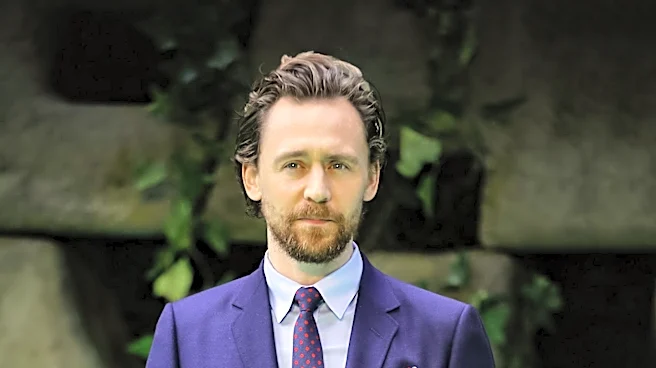
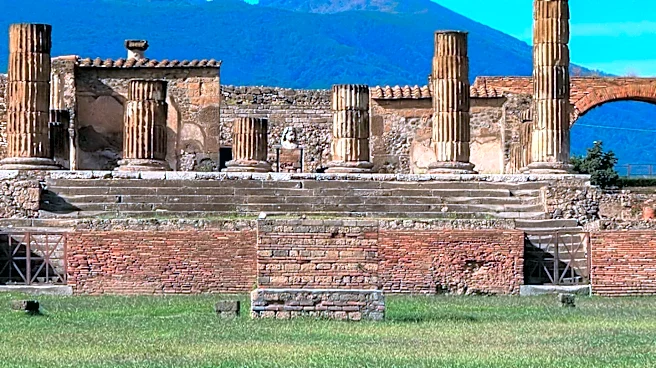
Tom Hiddleston stars in a new National Geographic documentary titled 'Pompeii: Out of Time With Tom Hiddleston,' which explores the ancient city of Pompeii. The documentary, premiering on Nat Geo and later streaming on Hulu and Disney+, delves into the lives
of Pompeii's citizens before the catastrophic eruption of Mount Vesuvius. Hiddleston, who first visited Pompeii as a teenager, combines historical evidence with his acting skills to bring the stories of three real Romans to life. The documentary features insights from experts like Steven Tuck and Caitie Barrett, who provide context on the lives of Pompeii's inhabitants and the city's history.
Why It's Important?
The documentary offers a unique blend of historical exploration and storytelling, aiming to revive interest in Pompeii's history and its people. By using a mix of expert insights and dramatized reenactments, it provides viewers with a deeper understanding of the human stories behind the archaeological remains. This approach not only educates but also entertains, potentially attracting a wider audience to historical documentaries. The involvement of a well-known actor like Tom Hiddleston may also draw attention to the importance of preserving historical sites and understanding ancient cultures.
What's Next?
Following the documentary's release, there may be increased interest in Pompeii and similar historical sites, potentially boosting tourism and funding for archaeological research. The documentary could also inspire further productions that blend historical facts with creative storytelling, encouraging a new wave of educational content. Additionally, the success of this documentary might lead to more collaborations between historians and entertainers, fostering a greater appreciation for history among the general public.
Beyond the Headlines
The documentary raises questions about the ethical responsibilities of filmmakers when portraying historical events. By dramatizing real historical figures, it challenges the balance between factual accuracy and creative interpretation. This approach may influence how future documentaries are produced, particularly those dealing with sensitive historical topics. Furthermore, it highlights the role of media in shaping public perceptions of history and the importance of critical engagement with such content.