





What's Happening?
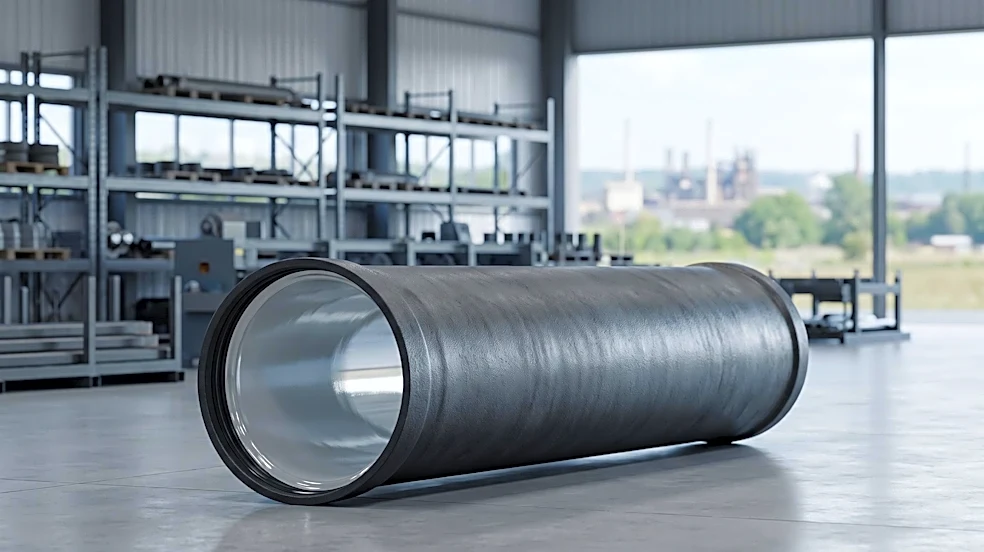
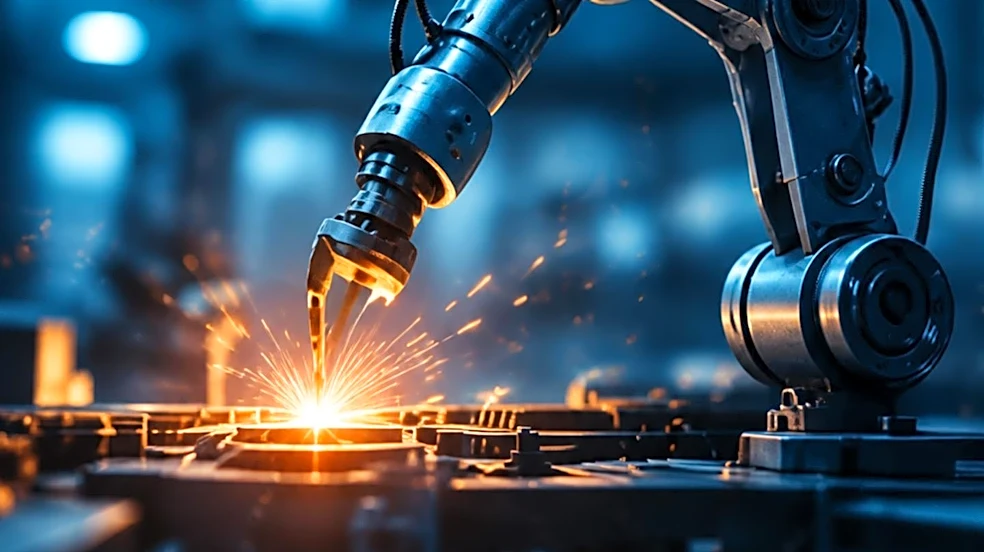
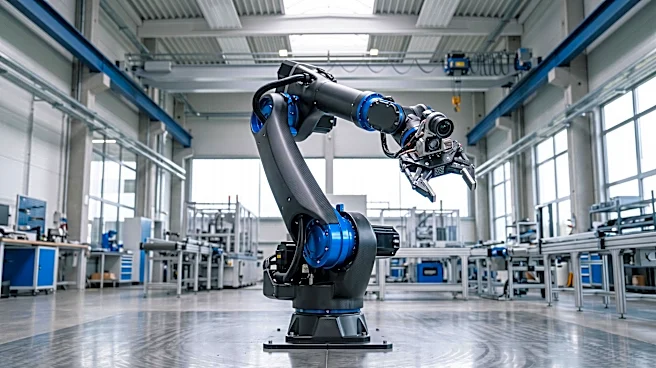
Burns Machinery, a U.S.-based precision machining and fabrication company, has integrated Bodor's tube laser cutting solution into its operations. This strategic move aims to bring more tube processing in-house, addressing previous challenges associated
with outsourcing, such as extended lead times, increased costs, and reduced production flexibility. The company serves various industries, including motorcycles, off-road vehicles, electronics, and racing, which demand high-precision tube processing. By adopting this advanced laser cutting technology, Burns Machinery seeks to improve continuous production capabilities through features like simultaneous cutting and loading/unloading, intelligent cutting modes, and optimized scrap control. This shift is expected to maximize tube utilization, minimize material waste, and enhance the company's responsiveness to small-batch orders, thereby improving overall production efficiency and delivery times.
Why It's Important?
This adoption of advanced laser cutting technology by Burns Machinery signifies a broader trend within the U.S. manufacturing sector towards vertical integration and technological upgrading to combat supply chain inefficiencies and rising operational costs. For U.S. industries reliant on precision components, this move by Burns Machinery could lead to more reliable and faster delivery of parts, reducing their own production bottlenecks. The ability to handle small-batch orders with greater flexibility is crucial in a market that increasingly demands customization and just-in-time inventory management. This investment in in-house capabilities also strengthens domestic manufacturing, potentially creating more stable jobs and reducing reliance on external suppliers, which can be susceptible to global disruptions. Companies that embrace such technologies gain a competitive edge by improving quality, reducing waste, and accelerating time-to-market, ultimately benefiting their clients and the broader economy.
Beyond the Headlines
The decision by Burns Machinery to invest in sophisticated laser cutting technology highlights a critical strategic shift for many U.S. manufacturers: the re-evaluation of outsourcing versus in-house production. While outsourcing often offers initial cost advantages, the long-term implications of reduced control over quality, lead times, and intellectual property are becoming more apparent. This move suggests a recognition that investing in advanced manufacturing capabilities can yield greater operational resilience and competitive advantage. Furthermore, the integration of intelligent cutting modes and optimized scrap control points to a growing emphasis on sustainable manufacturing practices, where efficiency and waste reduction are paramount. This trend could lead to a more robust and self-sufficient domestic manufacturing base, capable of adapting quickly to market demands and technological advancements, thereby fostering innovation and economic stability within the U.S.