






What's Happening?
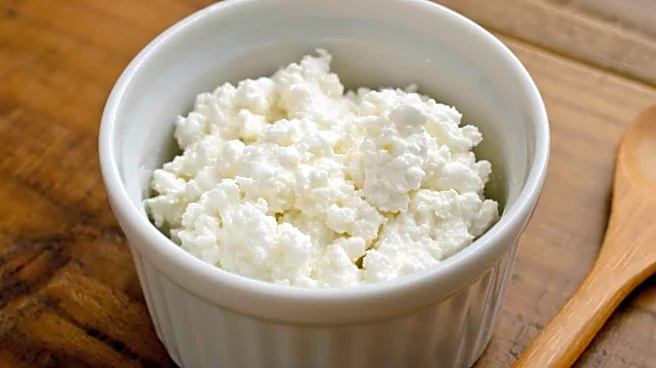
Cottage cheese can be a beneficial component of a heart-healthy diet due to its potassium and calcium content, which play crucial roles in cardiovascular health. Potassium helps regulate blood pressure by aiding in the processing of sodium out of the body
and relaxing blood vessel walls. Calcium, while commonly associated with bone health, also impacts heart health, as deficiencies can elevate the risk of high blood pressure. A half-cup serving of cottage cheese provides approximately 13g of protein. However, cottage cheese is also noted for its high sodium content, with a half-cup serving containing 330mg, which is a significant portion of the recommended daily intake of around 2000mg for a heart-healthy diet. The fat content, primarily saturated fat, can increase LDL (bad) cholesterol and plaque buildup, raising the risk of heart disease, making low-fat options preferable.
Why It's Important?
The dual nature of cottage cheese—offering essential nutrients for heart health while also presenting high sodium and saturated fat concerns—is important for U.S. consumers and public health. With cardiovascular disease being a leading cause of mortality in the U.S., dietary choices play a critical role in prevention and management. This information empowers individuals to make informed decisions, emphasizing the need to choose low-fat cottage cheese and monitor portion sizes to mitigate the risks associated with high sodium and saturated fat. It highlights the complexity of nutritional advice, where a food can be both beneficial and potentially detrimental depending on its specific composition and how it's consumed. This understanding can guide consumers in integrating cottage cheese into a balanced diet, potentially reducing the burden of heart disease.
What's Next?
Consumers are advised to be mindful of portion sizes and to opt for low-fat or fat-free cottage cheese varieties to maximize its heart health benefits while minimizing risks. Integrating cottage cheese with fresh fruit or adding small amounts to whole-grain toast with avocado are suggested methods for consumption. Replacing ricotta cheese with cottage cheese in dishes like lasagna is also recommended to reduce fat and calorie intake. Food manufacturers might respond by developing more low-sodium and low-fat cottage cheese options to cater to health-conscious consumers. Public health campaigns could also focus on educating the public about reading nutrition labels and understanding the balance of nutrients in common foods to promote healthier eating habits and reduce the incidence of diet-related cardiovascular issues.
Beyond the Headlines
This discussion on cottage cheese underscores a broader challenge in modern nutrition: the need for nuanced understanding of food components rather than simple categorization as 'good' or 'bad.' It reflects a growing consumer demand for detailed nutritional information and highlights the role of food science in developing healthier versions of popular products. The emphasis on potassium and calcium for blood pressure regulation also points to the importance of a balanced intake of micronutrients, often overshadowed by macronutrient discussions. This nuanced approach to diet can contribute to a more sophisticated public discourse on health, moving beyond fads to evidence-based dietary practices that consider the full nutritional profile of foods and their impact on long-term health outcomes.