



What's Happening?
Columbus homeowners are increasingly focusing on creating personalized and functional living spaces through interior design and renovation services. The trend emphasizes balancing aesthetics, comfort, and practicality to transform ordinary rooms into
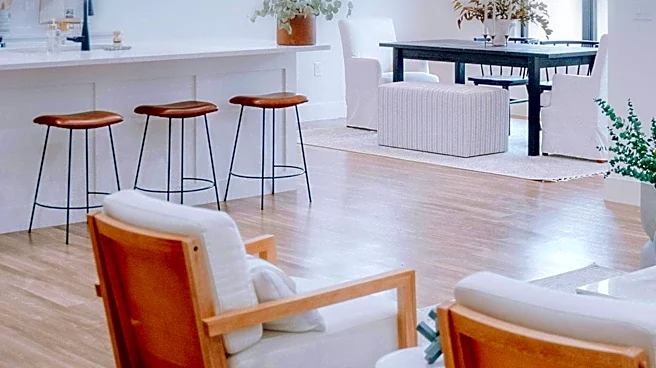
spaces that reflect individual lifestyles and long-term needs. Key considerations include understanding household routines, storage requirements, and personal design preferences before starting a renovation. Designers are incorporating elements like customized kitchen designs, personalized bathrooms, functional living and dining areas with flexible furniture, built-in storage, and optimized lighting and color schemes. The goal is to ensure every room is both appealing and serves a clear purpose, moving beyond temporary design trends to create lasting, comfortable environments.
Why It's Important?
This shift in focus for Columbus homeowners reflects a broader national trend towards more intentional and sustainable home design. Instead of merely updating appearances, homeowners are investing in solutions that enhance daily living, improve organization, and adapt to evolving family needs. This approach can lead to increased property value and homeowner satisfaction, as spaces are tailored to specific uses like remote work, entertaining, or accommodating growing families. The emphasis on durable materials and smart storage also suggests a move towards long-term investment rather than frequent, superficial changes. For the home renovation and interior design industries, this means a demand for more customized, problem-solving services rather than off-the-shelf solutions, potentially driving innovation in functional design and material science.
What's Next?
The demand for personalized and functional home designs is expected to continue growing in Columbus and other urban areas. Professional interior design and renovation services will likely see increased engagement as homeowners seek expert guidance to integrate aesthetics with practicality. This trend may also lead to a greater emphasis on flexible spaces within new home constructions and remodeling projects, such as rooms that can easily transition from a home office to a guest room or playroom. Manufacturers of home furnishings and building materials may also adapt by offering more customizable options and durable, low-maintenance products to meet these evolving consumer preferences.
Beyond the Headlines
The move towards personalized and functional home design goes beyond mere aesthetics; it reflects a deeper societal shift towards optimizing personal environments for well-being and efficiency. With more people working from home and spending increased time in their residences, the functionality of a living space has become paramount. This trend also touches upon psychological aspects, as a well-designed and organized home can reduce stress and improve overall quality of life. The integration of flexible multipurpose spaces speaks to a desire for adaptability in an unpredictable world, allowing homes to evolve with changing life circumstances without requiring constant, costly overhauls. It signifies a more thoughtful and holistic approach to how we inhabit our private spaces.