




What's Happening?
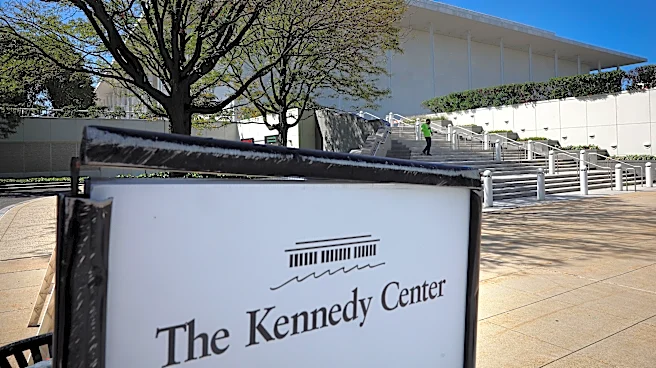
Barbara Mandrell will be among the five artists honored at the 49th Kennedy Center Honors on December 7, making history as the first time a country music artist has been recognized in consecutive years. George Strait received the honor in 2025, setting
the stage for Mandrell's 2026 recognition. This marks an unprecedented streak for the program. The ceremony itself will also break tradition by moving from the Kennedy Center to the Capital One Arena in Washington, D.C. Mandrell will be honored alongside Paul Anka, David Foster, Andy Garcia, and David Mamet. The Kennedy Center Honors, which began in 1978, initially focused on traditional fine arts, with country music receiving its first recognition in 1991 with Roy Acuff. Over the years, the program has expanded to include various popular music genres, with country music honorees growing to include Johnny Cash, Willie Nelson, Loretta Lynn, Dolly Parton, George Jones, Merle Haggard, Reba McEntire, Garth Brooks, and George Strait.
Why It's Important?
This consecutive recognition of country music artists at the Kennedy Center Honors signifies a growing acknowledgment and appreciation of the genre's cultural impact and artistic merit within the broader American arts landscape. Historically, country music was slower to be recognized by the prestigious awards, with the first country honoree appearing 13 years after the program's inception. The back-to-back honors for George Strait and Barbara Mandrell highlight a shift in how the institution views country music's contributions to American culture. This increased visibility can further elevate country music's standing, potentially influencing future programming, academic studies, and public perception of the genre. It also underscores the enduring legacy and influence of artists like Mandrell and Strait, whose careers have significantly shaped the country music industry and resonated with a wide audience.
What's Next?
The 49th Kennedy Center Honors ceremony on December 7 will formally celebrate Barbara Mandrell and her fellow honorees. The event's move to the Capital One Arena suggests a potential shift in how the Kennedy Center aims to present its annual awards, possibly to accommodate a larger audience or create a different atmosphere for the celebration. This could set a precedent for future ceremonies, potentially making the event more accessible or dynamic. The consecutive recognition of country artists may also encourage further inclusion of diverse musical genres in future Kennedy Center Honors classes, reflecting the evolving landscape of American arts and culture. The increased spotlight on country music could also lead to renewed interest in the careers and legacies of past and present country artists.
Beyond the Headlines
The consecutive honoring of country music artists at the Kennedy Center reflects a broader cultural trend of mainstream institutions recognizing genres that were once considered niche or regional. This shift can be seen as a democratization of cultural prestige, acknowledging the diverse artistic expressions that contribute to the American identity. It also highlights the evolving definition of 'fine arts' to encompass popular music forms that have deeply impacted society. The inclusion of artists like Mandrell, who broke barriers and achieved widespread success, underscores the importance of recognizing pioneering figures in all artistic fields. This trend could encourage other cultural institutions to broaden their scope of recognition, fostering a more inclusive and representative celebration of American artistic achievement.