





What's Happening?
Fortescue, a major iron-ore producer, has successfully demonstrated the effectiveness of its new, world-first arsenic removal technology for copper, known as the Toowong Process. The company has already sold over 40 tons of copper concentrate cleaned
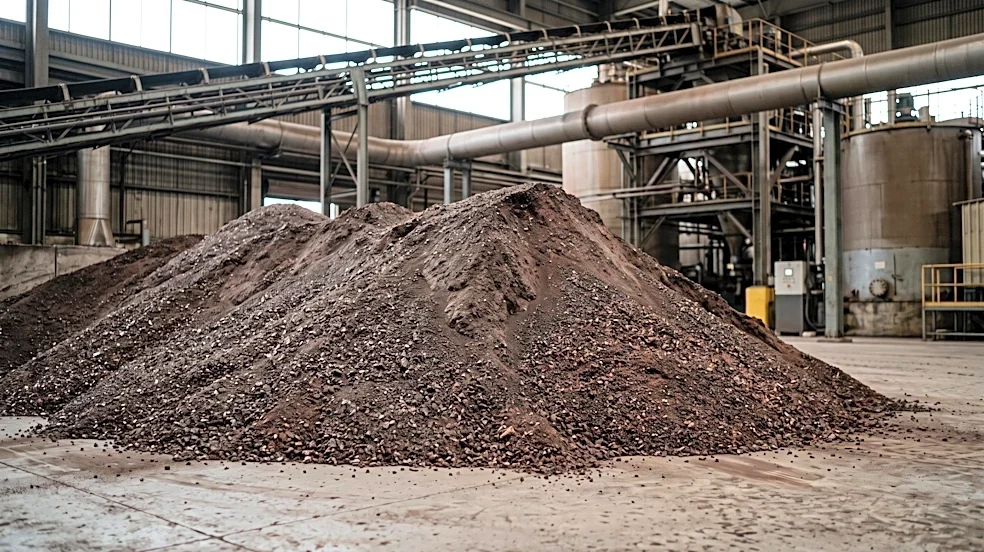
using this patented hydrometallurgical method. Developed and tested over four years at its Brisbane demonstration plant, the Toowong Process operates at low temperatures and pressures to separate arsenic from copper concentrate. Across seven campaigns and more than 3,000 hours of operation, the process reduced arsenic levels in concentrates to below 0.3%, while retaining over 99.9% of the copper. The first 40 tons of cleaned copper concentrate contained less than 0.25% arsenic, down from feedstocks with up to 7% contaminant, proving its commercial viability. Fortescue acquired this technology in 2022 and is now optimizing it and advancing its commercial engineering, including testing concentrate from its Cañariaco copper project in Peru.
Why It's Important?
This technological breakthrough by Fortescue addresses a significant challenge for the global copper industry. Arsenic has historically been a major impediment to unlocking new copper resources, as its removal conventionally relies on energy-intensive roasting, which generates substantial emissions and toxic byproducts. The Toowong Process offers an economic alternative with comparable capital and operating costs, improved output, and reduced energy consumption and emissions. This innovation has the potential to make high-arsenic copper deposits, previously considered unmarketable or economically unviable, accessible and profitable. With global copper demand projected to grow over 50% by 2050, this technology can help meet the increasing need for copper, which is crucial for renewable energy projects and expanding electricity networks. It also allows producers to optimize mine inventories, lower development costs, and improve the environmental footprint of copper production.
What's Next?
Fortescue plans to continue optimizing the Toowong Process and advance its commercial engineering, focusing on further reducing capital and operating costs. The company is also testing the technology with concentrate from its Cañariaco copper project in Peru, aiming to unlock significant value by making more of that project's concentrate marketable. Fortescue intends to use this technology as it explores more copper deposits globally and make it available to its peers, suggesting a potential licensing or partnership model. The successful commercialization of this technology could lead to a paradigm shift in how high-arsenic copper ores are processed worldwide. This could also spur further innovation in metallurgical processes aimed at reducing environmental impact and increasing resource efficiency in the mining sector.
Beyond the Headlines
The Toowong Process represents more than just an incremental improvement; it signifies a fundamental shift in addressing complex metallurgical challenges. By transforming previously unmarketable high-arsenic copper concentrates into commercially viable products, Fortescue is not only enhancing its own growth prospects but also contributing to the broader sustainability goals of the mining industry. This innovation highlights the critical role of technology and R&D in overcoming resource limitations and environmental hurdles. Ethically, it offers a pathway to responsibly extract essential minerals while minimizing ecological damage, moving away from more polluting traditional methods. Culturally, it reinforces the idea that persistent problems in resource extraction can be solved through innovative engineering, potentially inspiring similar efforts in other challenging mining contexts globally. The long-term impact could be a more diversified and resilient global copper supply chain, less reliant on a few 'clean' ore bodies.