




What's Happening?
ABS and lomarlabs have formalized a Master Research Collaboration Agreement (MRCA) aimed at fostering the development of early-stage technologies within the maritime industry. This partnership focuses on innovations designed to decrease emissions, enhance
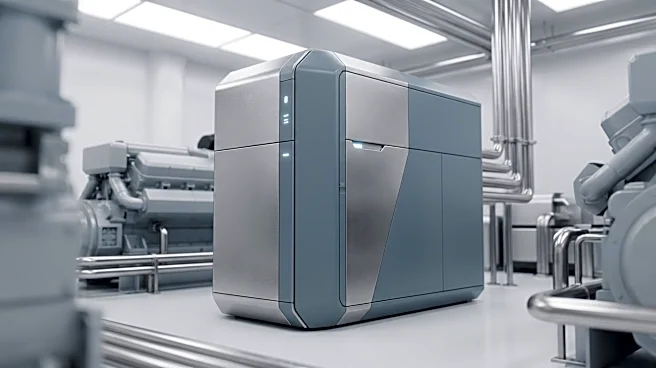
fuel efficiency, and automate operations in global shipping. The MRCA establishes a structured framework for both organizations to pool their expertise and advisory services. This collaboration will facilitate engagement with startup companies, providing support for the research, development, and testing of novel solutions specifically tailored for maritime applications. The initial project under this agreement involves Blaze Energy, which will pilot a compact engine-integrated fuel reformer. This reformer is intended to accelerate the practical adoption of alternative fuels in commercial shipping, addressing critical environmental and operational challenges facing the industry.
Why It's Important?
This collaboration is significant for the U.S. maritime industry and global shipping as it directly addresses the pressing need for sustainable and efficient operations. By focusing on early-stage technology companies, ABS and lomarlabs are investing in the foundational research and development that can lead to transformative changes. The emphasis on reducing emissions and increasing fuel efficiency aligns with global environmental regulations and the industry's push towards decarbonization. The automation of operations also has the potential to improve safety, reduce operational costs, and enhance the overall efficiency of maritime logistics. The pilot project with Blaze Energy, specifically targeting alternative fuels, could pave the way for broader adoption of cleaner energy sources, impacting fuel suppliers, shipbuilders, and shipping companies by creating new markets and operational standards. This initiative could also bolster the U.S.'s position in maritime innovation and green technology development.
What's Next?
Following the establishment of the MRCA, the immediate next step is the ongoing pilot project with Blaze Energy, which will test a compact engine-integrated fuel reformer. The success and findings from this pilot will be crucial in determining the broader applicability and scalability of such alternative fuel technologies in commercial shipping. ABS and lomarlabs will continue to identify and engage with other early-stage technology companies, providing them with the necessary support for research, development, and testing. This ongoing engagement is expected to lead to a pipeline of innovative solutions for the maritime sector. Future developments will likely include further testing phases, potential regulatory approvals for new technologies, and eventual commercial deployment of successful solutions. The collaboration aims to continuously accelerate the practical adoption of advanced technologies to meet the evolving demands of the maritime industry.
Beyond the Headlines
Beyond the immediate goals of emission reduction and efficiency, this partnership signifies a broader shift in how established maritime entities are approaching innovation. By actively engaging with early-stage startups, ABS and lomarlabs are fostering an ecosystem that encourages agile development and rapid prototyping, which is often challenging within traditional, large-scale industries. This approach could lead to a more dynamic and responsive maritime sector, capable of quickly adapting to technological advancements and environmental pressures. The focus on alternative fuels and automation also highlights the ethical imperative to mitigate the environmental impact of global shipping and improve working conditions at sea. Long-term implications could include a redefinition of maritime operational standards, a surge in green maritime technologies, and a potential shift in global trade logistics as more sustainable practices become economically viable and widely adopted.