






What's Happening?
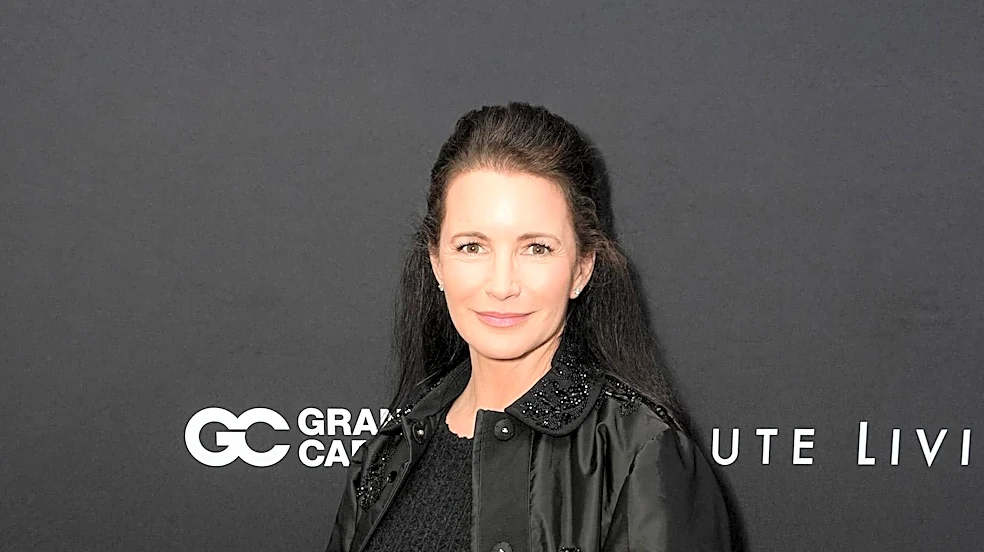
Actress Kristin Davis, known for her role as Charlotte York in 'Sex and the City' and its sequel 'And Just Like That...', has openly discussed the intense pressure she felt to maintain a thin physique throughout her career. During an episode of her podcast,
'Are You a Charlotte?', with former co-star Evan Handler, Davis revealed that she went to extreme lengths to lose weight, at times becoming so thin that her ribs were visible. This pressure stemmed from the prevailing fashion trends of the late 1990s and early 2000s, which favored a slim, straight look, contrasting with her naturally curvier body type. The constant public scrutiny and unsolicited comments from fans about her appearance significantly impacted her confidence. She noted that this struggle began even earlier in her career, during her time on 'Melrose Place', where she felt compelled to stay very slim to fit in with her co-stars. By the final season of 'Sex and the City', however, Davis reported feeling more comfortable and at ease with her body.
Why It's Important?
Kristin Davis's candid revelations highlight the pervasive and often damaging body image standards prevalent in the entertainment industry, particularly for women. Her experience underscores the psychological toll that public scrutiny and unrealistic beauty ideals can take on individuals, even those in prominent positions. This discussion is important as it contributes to a broader conversation about body positivity and the need for more diverse and realistic representations of body types in media. For audiences, especially young women, hearing a well-known actress speak about these struggles can be validating and encourage a healthier self-perception. It also sheds light on the unspoken pressures faced by actors, demonstrating that the glamour of Hollywood often comes with significant personal challenges related to appearance. The impact extends to the industry itself, prompting questions about its role in perpetuating these standards and the potential for change towards more inclusive and supportive environments.
What's Next?
The ongoing dialogue initiated by figures like Kristin Davis is likely to continue influencing conversations around body image and mental health within the entertainment industry and among the public. As more celebrities share their experiences, there may be increased pressure on media outlets, fashion brands, and production companies to promote healthier and more diverse body standards. This could lead to a shift in casting choices, costume design, and overall narrative approaches in television and film, moving away from singular beauty ideals. Furthermore, such discussions can empower fans and viewers to critically evaluate the media they consume and challenge unrealistic expectations. The podcast format, allowing for more intimate and unfiltered conversations, may also encourage other public figures to share similar struggles, fostering a more open and supportive environment for discussing body image issues.
Beyond the Headlines
Beyond the immediate impact on public discourse, Davis's story touches upon deeper societal issues concerning the objectification of women and the relentless pursuit of an idealized aesthetic. Her experience reflects a cultural phenomenon where women's worth is often tied to their physical appearance, a standard amplified by media and social platforms. The pressure to conform to specific body types can lead to significant mental health challenges, including eating disorders and body dysmorphia. This narrative also highlights the generational shift in body image discussions; while Davis struggled in an era with less public awareness, today's conversations are more open, partly due to social media, which, while sometimes exacerbating pressures, also provides platforms for advocacy and support. Her reflections on embracing her natural curves by the end of 'Sex and the City' suggest a personal journey towards self-acceptance that many individuals, both in and out of the public eye, undertake.