



What's Happening?
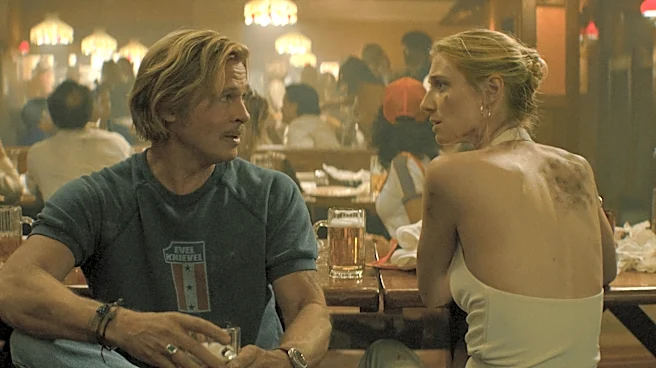
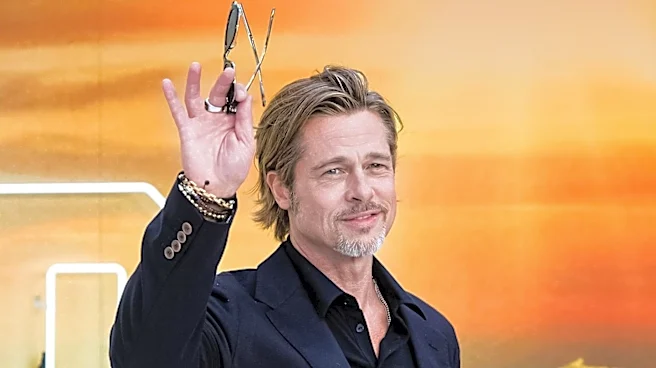
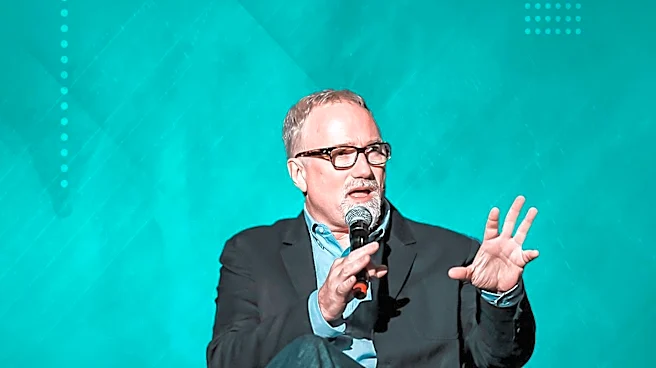
Filmmaker David Fincher has confirmed the use of Artificial Intelligence (AI) in the post-production of his latest film, 'The Further Mis-Adventures Of Cliff Booth,' starring Brad Pitt. In an interview on The Big Picture podcast, Fincher acknowledged
employing AI to clean up audio tracks, specifically noting that a significant portion of the film's dialogue replacement (ADR) was handled by AI, reducing the need for traditional looping sessions to just five percent. He also discussed the potential of AI to adjust actors' lip movements, allowing editors like Kirk Baxter to combine the best visual performances from one take with optimal audio from another, even if they don't initially sync. Fincher expressed a forward-looking stance on filmmaking technology, stating he is 'not going backwards' and views AI as a tool to overcome technical hurdles and streamline the creative process. He also detailed a digital-to-film-to-digital process for achieving a desired aesthetic in 'Cliff Booth,' embracing modern tools over traditional celluloid methods.
Why It's Important?
Fincher's embrace of AI in 'Cliff Booth' signals a significant shift in Hollywood's approach to film production, potentially impacting various aspects of the industry. His comments highlight a growing trend where AI is not just a speculative tool but an active component in high-profile projects. This could lead to increased efficiency and cost savings in post-production, particularly in areas like audio clean-up and lip-sync adjustments, which traditionally require extensive manual labor and time. For actors and crew members involved in these processes, this could mean a change in job roles or a reduction in demand for certain skills. Furthermore, Fincher's vision of a future where AI assists in generating coverage shots (over-the-shoulders, close-ups) after a master scene is filmed could fundamentally alter on-set dynamics, potentially reducing shooting schedules and allowing filmmakers more creative freedom in the editing suite. This development could also spark further debate within the industry regarding the ethical implications of AI, particularly concerning job displacement and the authenticity of performances.
What's Next?
The implications of Fincher's statements suggest a potential acceleration in the adoption of AI technologies across the film industry. Other filmmakers and studios may follow suit, exploring how AI can enhance efficiency and creative control. The industry will likely see continued discussions and developments around AI's role in various stages of production, from pre-visualization to post-production. There could be increased investment in AI tools tailored for filmmaking, leading to more sophisticated and accessible solutions. Additionally, the conversation around the future of film labor, particularly for roles susceptible to automation, is expected to intensify. As 'The Further Mis-Adventures Of Cliff Booth' becomes available on Netflix, its use of AI will likely be scrutinized by both critics and audiences, potentially influencing public perception and acceptance of AI-assisted filmmaking.
Beyond the Headlines
Fincher's perspective extends beyond mere technical application, touching upon the philosophical underpinnings of filmmaking. His desire to eliminate 'technical headaches' to focus on performance underscores a broader aspiration among artists to remove logistical barriers to creative expression. The idea of treating filmmaking as 'plasticine' rather than 'chiseling out of marble' suggests a more fluid and adaptable creative process, where imperfections can be corrected digitally without compromising the initial artistic intent. This approach challenges traditional notions of authenticity in cinema, raising questions about what constitutes a 'real' performance or a 'real' shot when AI can subtly manipulate or generate elements. The long-term shift could lead to a redefinition of craft in filmmaking, where human creativity is augmented by AI, allowing for unprecedented levels of precision and control, but also potentially blurring the lines between human and machine contribution.