





What's Happening?
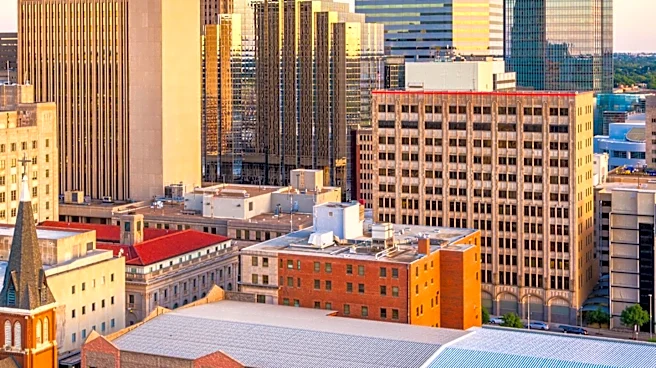
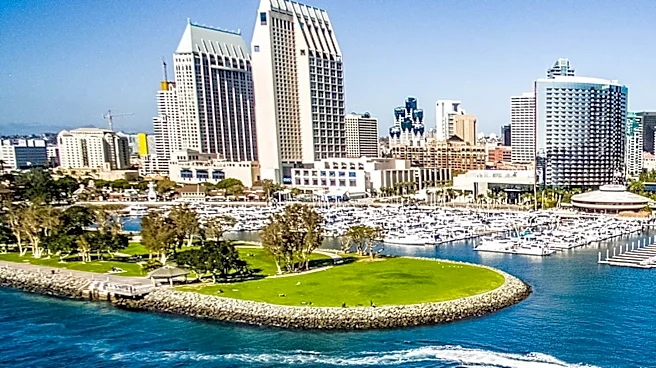
Recent tourism reports indicate a shift in travel preferences among high-income travelers, who are increasingly choosing urban environments with historical architecture over traditional coastal resorts. This trend is particularly evident in downtown San
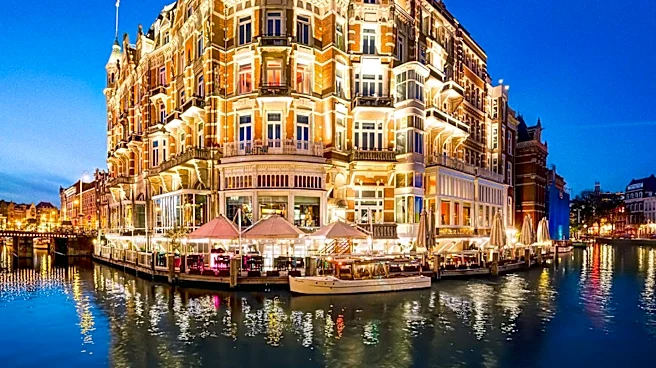
Diego's historic Gaslamp Quarter, known for its preserved early twentieth-century buildings and vibrant dining scene. The area attracts visitors seeking cultural activities and entertainment without the need for vehicle transportation. This shift has positively impacted the local hospitality market, with travelers preferring accommodations that reflect the historic character of the area.
Why It's Important?
The growing preference for urban travel destinations with historical significance highlights a shift in consumer behavior that could have lasting impacts on the hospitality industry. Cities like San Diego, with rich architectural heritage, stand to benefit economically as they attract more tourists seeking cultural and culinary experiences. This trend may encourage other urban centers to preserve and promote their historical sites, potentially leading to increased investment in urban tourism infrastructure. The economic boost from increased tourism can support local businesses and create jobs, contributing to the overall economic health of the region.
What's Next?
As this trend continues, cities with historical architecture may see increased tourism-related investments. Local governments and businesses might focus on enhancing the visitor experience by improving infrastructure and promoting cultural events. The hospitality industry could respond by developing more properties that blend modern amenities with historical charm, catering to the growing demand for unique travel experiences. Additionally, urban centers may collaborate with tourism boards to market their historical and cultural assets more effectively.