





What's Happening?
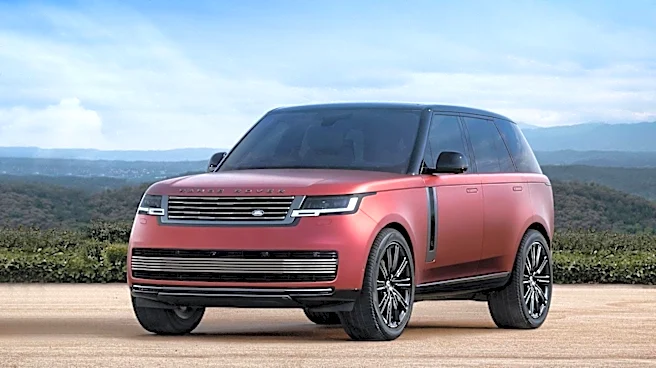
Land Rover has officially unveiled the 2027 Range Rover Electric, marking the brand's entry into the all-electric luxury SUV market. The new model retains the iconic design of its gas-powered counterpart, with subtle aerodynamic optimizations including
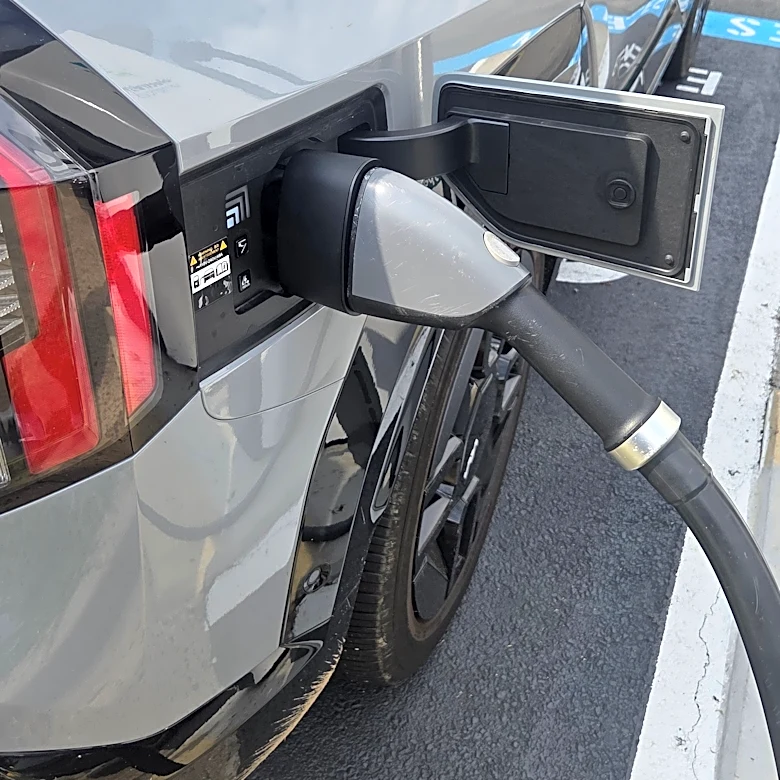
a unique grille and wheels. It features a dual-motor electric powertrain delivering 542 horsepower and 627 pound-feet of torque, enabling a 0-60 mph acceleration in 4.3 seconds. The vehicle is equipped with a 119-kWh battery pack, providing an EPA-estimated driving range of 333 miles. Utilizing an 800-volt architecture, the Range Rover Electric supports DC fast-charging at up to 350 kW, allowing for a 10 to 80 percent charge in 22 minutes. All models will come standard with a NACS charging port. The electric SUV also maintains the brand's renowned off-road capabilities, including an electric traction-management system that responds 100 times faster than its combustion-engine equivalent and a wading depth of up to 35 inches.
Why It's Important?
The introduction of an all-electric Range Rover is a significant development for the luxury SUV segment in the U.S. market. It signals a commitment from Land Rover to electrify its premium offerings, catering to a growing demand for sustainable luxury vehicles. By maintaining the familiar design and robust off-road capabilities, Land Rover aims to attract existing customers while appealing to new buyers interested in electric mobility without compromising on brand heritage or performance. The competitive pricing, with a starting MSRP of $140,550, positions it as a premium option within the EV market. The inclusion of a NACS charging port as standard is a strategic move to ensure compatibility with a widely expanding charging infrastructure in the U.S., enhancing convenience for owners and potentially accelerating EV adoption in the luxury sector.
What's Next?
The 2027 Range Rover Electric is expected to join its gas-powered siblings in Land Rover showrooms for the 2027 model year. A 'First Edition' model will be offered initially, featuring exclusive color options and interior themes. Land Rover will also provide extensive customization options through its Bespoke program. The company will focus on ramping up production and distribution to meet anticipated demand. The performance and reception of the Range Rover Electric will likely influence future electrification strategies for Land Rover and other luxury automotive brands. The expansion of charging infrastructure and consumer education on EV benefits will also be crucial for its market success.
Beyond the Headlines
The Range Rover Electric's debut highlights a broader industry trend where iconic automotive brands are adapting to electrification while striving to preserve their core identity and appeal. The challenge lies in integrating advanced electric powertrains and battery technology without sacrificing the established attributes that define the brand, such as luxury, performance, and off-road prowess. The emphasis on maintaining design continuity and off-road capability suggests a strategy to ease the transition for traditional luxury SUV buyers into the EV space. This approach could set a precedent for how other heritage brands introduce electric versions of their most beloved models, balancing innovation with tradition and addressing consumer concerns about range, charging, and performance in electric vehicles.