


What's Happening?
IKEA U.S. has unveiled its 2027 Style Guide, an annual publication detailing upcoming interior design trends and home decorating advice. The guide emphasizes the growing importance of comfort, individuality, and flexibility within the home, offering insights
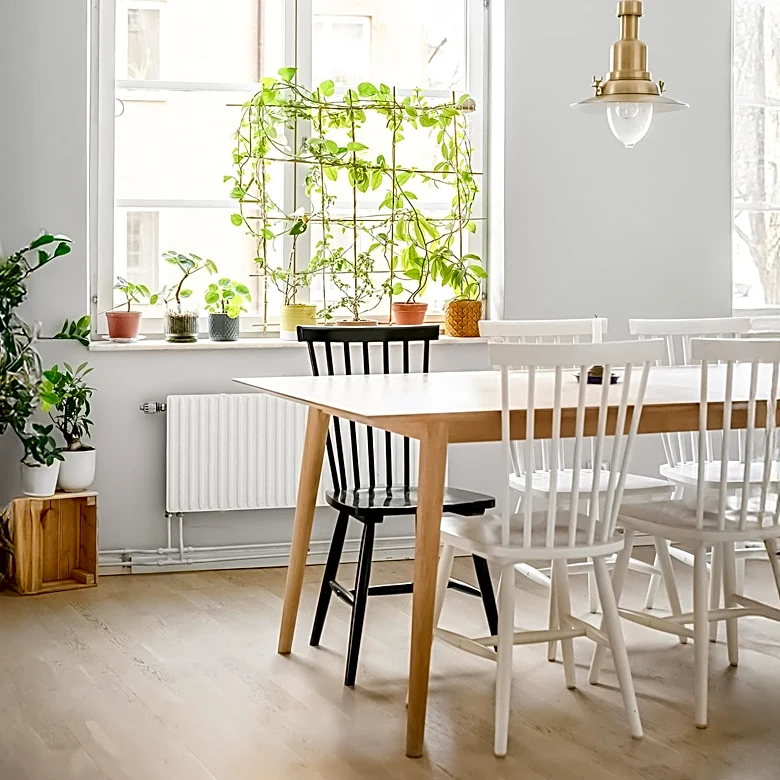
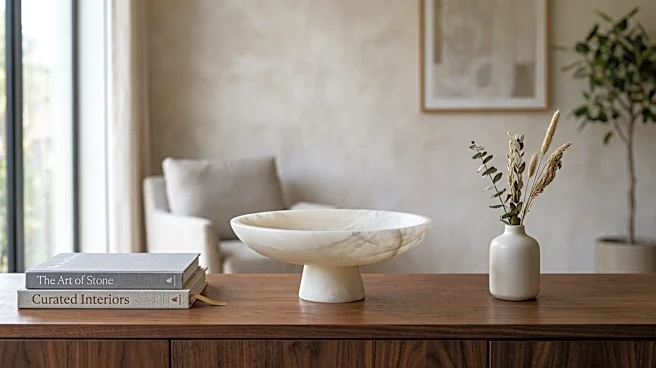
into contemporary living. Among the four key interior design trends for 2027, 'Mindful Minimalism' is highlighted, which integrates Japanese wabi-sabi aesthetics with Scandinavian hygge. This trend focuses on utilizing natural materials, simple furnishings, and practical storage solutions to foster a more peaceful home environment. The guide also introduces 'Wild Fig' as the 2027 IKEA Color of the Year. This deep, botanical shade with a rich purple tone is suggested for use on walls, furniture, or as smaller accents in textiles and decor. It is versatile, complementing warm woods and neutral shades, and can also be paired with brighter colors like Electric Blue and Rebel Pink. The guide aims to provide practical ways for consumers to enhance their living spaces.
Why It's Important?
The release of IKEA U.S.'s 2027 Style Guide is significant as it influences consumer trends and purchasing decisions in the home furnishings market. By identifying key design aesthetics like 'Mindful Minimalism,' which blends wabi-sabi and hygge, IKEA is shaping consumer preferences towards natural, imperfect, and cozy home environments. This can lead to increased demand for specific types of furniture, decor, and materials that align with these trends. The introduction of 'Wild Fig' as the Color of the Year also impacts the broader design industry, potentially influencing paint manufacturers, textile producers, and other home goods retailers to incorporate similar palettes into their offerings. For consumers, the guide provides inspiration and practical advice, encouraging them to update their living spaces in line with current design philosophies that prioritize comfort, personal expression, and functionality. This strategic guidance from a major retailer like IKEA can drive market shifts and consumer spending in the home decor sector.
What's Next?
Following the release of the 2027 Style Guide, IKEA U.S. will likely integrate the highlighted trends and the 'Wild Fig' color into its product lines and store displays. Consumers can expect to see new collections and room setups that reflect 'Mindful Minimalism,' emphasizing natural materials, simple designs, and efficient storage. The 'Wild Fig' color will likely appear in various products, from textiles and accessories to larger furniture pieces, making it accessible for customers to incorporate into their homes. IKEA's marketing campaigns will also likely feature these trends prominently, further solidifying their presence in the market. Other home furnishing companies and interior designers may also take cues from IKEA's guide, potentially leading to a broader adoption of these aesthetics across the industry. This could result in a wider availability of products that align with the wabi-sabi and hygge-inspired minimalist approach, as well as the 'Wild Fig' color palette, in the coming year.
Beyond the Headlines
The emphasis on 'Mindful Minimalism' in IKEA's 2027 Style Guide reflects a broader cultural shift towards sustainability, well-being, and authenticity in personal spaces. The integration of Japanese wabi-sabi, which values imperfection and transience, with Scandinavian hygge, which promotes coziness and contentment, suggests a desire for homes that are not only aesthetically pleasing but also emotionally nurturing and environmentally conscious. This trend moves beyond mere aesthetics, hinting at a deeper consumer need for simplicity and calm in an increasingly complex world. The focus on natural materials and practical storage also aligns with a growing awareness of consumption patterns and a preference for durable, functional items over disposable ones. This could signal a long-term shift in consumer values, where the 'lived-in' and authentic feel of a home becomes more valued than pristine perfection, influencing design philosophies and consumption habits for years to come.