

What's Happening?
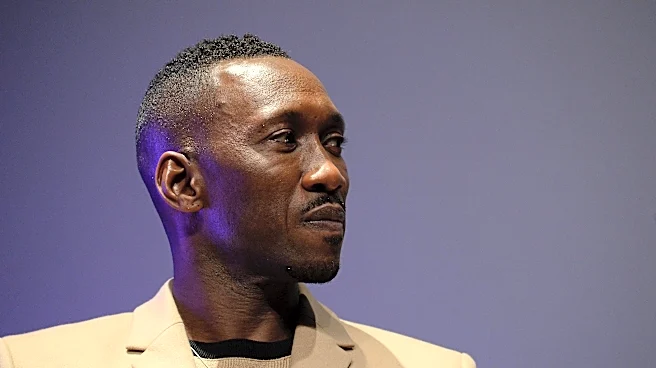
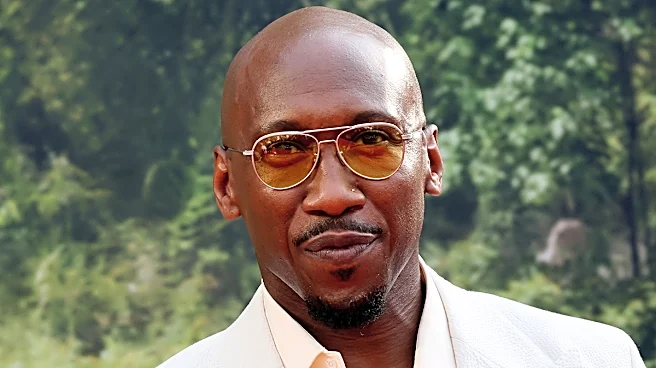
Actor Mahershala Ali recently shared his perspective on the limited impact his two Oscar wins have had on his career in Hollywood. During an appearance on Carmelo Anthony and Kazeem 'Kaz' Famuyide’s '7PM in Brooklyn' podcast, Ali, who won Best Supporting
Actor for 'Greenbook' (2018) and 'Moonlight' (2016), questioned the true validation an Oscar provides. He stated that despite his accolades, the 'vast majority of projects that get greenlit' do not have roles for him, leaving him 'like everybody else waiting and looking and searching.' Ali emphasized that there are more talented actors than quality material available, and that an Oscar win does not necessarily translate into consistent access to desirable roles, particularly for Black actors, who may be pigeonholed into 'diversity projects.' He also touched upon the lengthy timeline, typically three to five years, for actors to produce their own projects.
Why It's Important?
Ali's candid remarks highlight a significant issue within the Hollywood industry regarding career progression and opportunity, particularly for actors of color, even those with high-profile awards. His experience suggests that systemic barriers may persist, where even the highest industry honors do not guarantee equitable access to roles or creative control. This situation can lead to a lack of diverse storytelling and representation on screen, as talented actors struggle to find suitable material. The discussion also brings to light the challenge of 'diversity projects,' where the focus might be on fulfilling quotas rather than genuinely integrating diverse narratives and talent. This can impact the quality and authenticity of content, potentially limiting the industry's ability to connect with a broader audience and reflect societal diversity.
What's Next?
Ali's comments could spark further conversations within Hollywood about the effectiveness of awards in promoting career longevity and equitable opportunities for all actors. It may encourage industry leaders, studios, and casting directors to re-evaluate their greenlighting processes and actively seek out and develop diverse stories and roles. The discussion might also empower other actors to speak out about similar experiences, potentially leading to collective action or advocacy for more inclusive practices. For Ali himself, his recent role in Bassam Tariq’s 'Your Mother Your Mother Your Mother' and his previous involvement in Marvel’s 'Blade' project, which faced production challenges, underscore the ongoing struggle to find and secure meaningful work, even for an acclaimed actor.
Beyond the Headlines
The deeper implications of Ali's statements extend beyond individual career trajectories to the broader cultural landscape of Hollywood. His experience suggests that while the industry has made strides in recognizing diverse talent through awards, the underlying structures for creating and distributing content may still be lagging. This raises questions about the true meaning of 'validation' in a creative industry and whether awards adequately address systemic issues of access and representation. The challenge of finding 'good material' also points to a potential creative bottleneck, where a limited number of compelling scripts are being produced, further intensifying competition for roles. This situation could perpetuate a cycle where diverse stories are underrepresented, and the full potential of a diverse talent pool remains untapped, ultimately impacting the richness and variety of cinematic offerings.