




What's Happening?
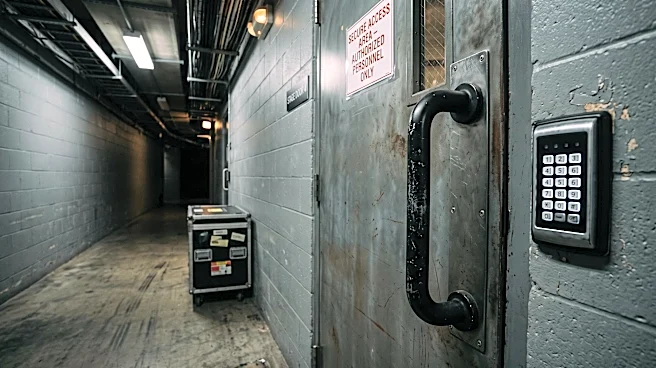
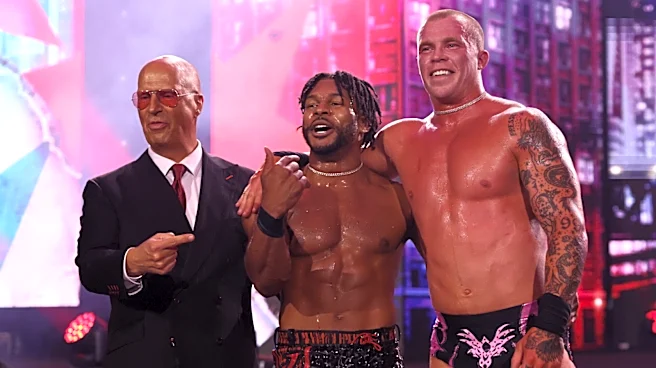
AEW wrestler MJF has recently recounted an incident from All-Out 2019 where he believed he was almost abducted by an individual impersonating a pilot. According to MJF, the incident occurred backstage at the Sears Center. The individual approached MJF, who
was reportedly distraught due to his father's recent heart attack, and claimed to be his charter flight home. MJF, believing his boss Tony Khan had arranged the flight, later approached Khan, who denied any such arrangement. Security then intervened, and when asked for a pilot's license, the individual reportedly patted his pocket and stated he left it at home before leaving. MJF has since shared this story with various media outlets, genuinely believing it was an attempted abduction. The incident highlights potential security vulnerabilities at wrestling events and the unique challenges faced by public figures.
Why It's Important?
This incident, as recounted by MJF, underscores significant concerns regarding security protocols at major public events, particularly those involving high-profile individuals like professional wrestlers. The ease with which an unauthorized individual, even in a costume, allegedly gained backstage access and interacted with talent raises questions about the effectiveness of event security measures. For the wrestling industry, such incidents can damage public trust and potentially deter talent from participating in events if they perceive a lack of adequate protection. It also brings to light the psychological impact on individuals who experience such unsettling encounters, as MJF genuinely believed he was targeted for abduction. The story serves as a cautionary tale for event organizers to continuously review and enhance their security frameworks to safeguard both performers and attendees.
What's Next?
While the incident occurred in 2019, MJF's continued recounting of the event suggests a lasting impact. For AEW and other wrestling promotions, this story could prompt a re-evaluation of their security procedures, especially concerning backstage access and the vetting of personnel. Although the source mentions that security protocols have changed since then, the public nature of MJF's story might lead to increased scrutiny from fans and media regarding the safety of wrestlers at events. There is no indication of further legal action or investigation into the alleged impersonator, but the narrative itself serves as a reminder of the constant need for vigilance in public-facing industries. The wrestling community may also see discussions around the mental well-being of performers who face such unique and sometimes threatening interactions with the public.
Beyond the Headlines
The deeper implications of MJF's story touch upon the blurred lines between performance and reality in professional wrestling, and the psychological toll it can take on performers. The fact that MJF genuinely believed he was being abducted, even after the individual's casual departure, speaks to the intense and often unpredictable nature of fan interactions. This incident also highlights the broader issue of impersonation and unauthorized access at events, which can have far-reaching consequences beyond the immediate scare. It raises ethical questions about the responsibility of event organizers to protect their talent from individuals who may exploit the accessible nature of public events. Furthermore, the story contributes to the ongoing conversation about the mental health of athletes and entertainers, who often navigate a world where their public persona can attract both adoration and dangerous obsession.