






What's Happening?
Dermatologist Dr. Dawn Queen has highlighted the potential risks associated with the misuse of self-tanners, particularly when users expose their DHA-treated skin to sunlight. Dihydroxyacetone (DHA), the active ingredient in most self-tanners, reacts
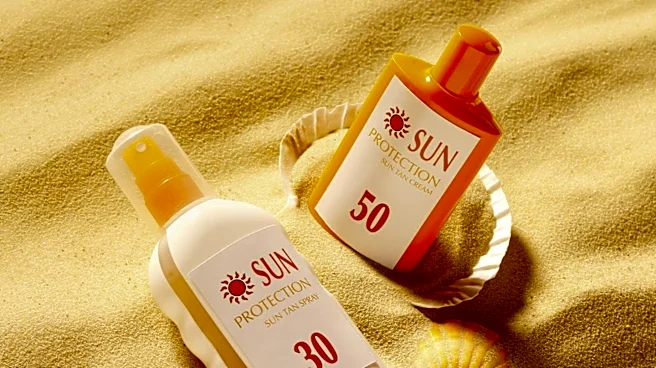
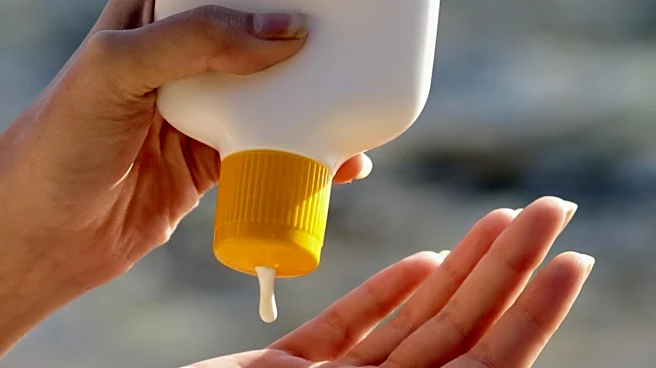
with amino acids in the skin to produce a temporary tan. However, exposure to UV rays can lead to the formation of free radicals, contributing to oxidative stress and potentially accelerating skin aging. Dr. Queen advises that self-tanners should not be mistaken for sun protection and recommends applying them at night to avoid UV exposure. The FDA suggests using a broad-spectrum sunscreen with an SPF of 15 or higher, reapplying every two hours, and taking additional protective measures such as wearing UV-blocking clothing and avoiding peak sun hours.
Why It's Important?
The misuse of self-tanners can have significant implications for skin health, particularly in contributing to premature aging. As self-tanners become increasingly popular as a safer alternative to UV tanning, understanding their limitations is crucial. The potential for oxidative stress and skin damage underscores the importance of proper application and sun protection. This issue is particularly relevant in the U.S., where skin cancer rates are high, and public awareness about sun safety is critical. Dermatologists and health professionals emphasize the need for comprehensive sun protection strategies, including the use of sunscreen and protective clothing, to mitigate the risks associated with UV exposure.