







What's Happening?
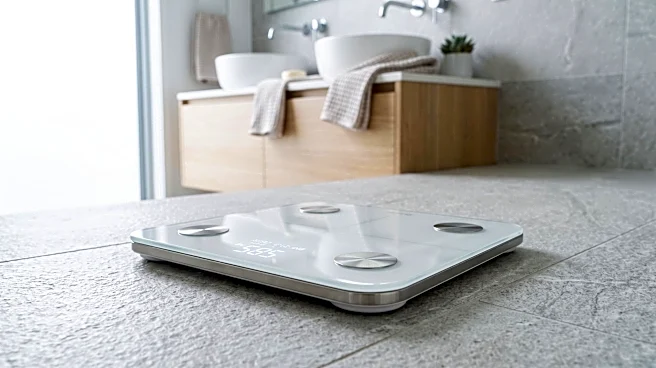
Smart scales are evolving beyond simple weight measurement, now offering comprehensive body composition analysis and seamless data integration with health applications. These devices are characterized by their ability to automatically transmit measurement data to a smartphone
app, utilizing either Bluetooth or Wi-Fi connectivity. Bluetooth scales require the smartphone to be in close proximity with the app open for synchronization, while Wi-Fi scales connect directly to a home network, uploading data to a cloud service for app synchronization even when the phone is not nearby. Modern smart scales measure a variety of metrics including weight, body fat percentage, body water, muscle percentage, bone mass, visceral fat, Body Mass Index (BMI), and Basal Metabolic Rate (BMR. Some advanced models, like the RENPHO Elis Solar 2, feature sustainable power sources such as solar charging and support multiple user profiles with automatic recognition. Other scales, such as the Beurer Smart Bluetooth Analyser, offer comprehensive body analysis and multi-user support, making them suitable for families. The market also includes 8-electrode scales that provide more detailed segmental body analysis for athletes and fitness enthusiasts.
Why It's Important?
The advancement of smart scales is significant for individuals seeking more detailed and convenient health and fitness monitoring. By providing a wide array of body composition metrics beyond just weight, these devices enable users to track progress more accurately and make informed adjustments to their training and nutrition plans. The automatic data transfer to apps eliminates manual logging, streamlining the process of health management and offering long-term tracking capabilities. This integration with popular health platforms like Apple Health, Google Fit, Samsung Health, and Fitbit creates a more cohesive digital health ecosystem. For athletes and fitness enthusiasts, the availability of 8-electrode scales offers professional-grade segmental analysis, providing precise data on arms, legs, and torso composition, which is crucial for optimizing performance and preventing imbalances. The convenience of multi-user support also makes these devices practical for households, promoting health awareness across families.
What's Next?
The future of smart scales is likely to see continued innovation in sensor technology, offering even greater accuracy and a broader range of measurable health indicators. Integration with artificial intelligence could lead to personalized health insights and recommendations based on individual data trends. We may also see enhanced interoperability with other smart health devices, creating a more holistic view of a user's well-being. Further development in sustainable power solutions, like advanced solar charging, could become standard, reducing the environmental impact and user maintenance. As health data privacy concerns grow, manufacturers will likely focus on robust security measures for data transmission and storage. The market could also expand to include more specialized scales tailored for specific health conditions or athletic disciplines, offering highly customized tracking and analysis features.
Beyond the Headlines
Beyond their immediate utility, smart scales contribute to a broader shift towards proactive and personalized health management. By making detailed body composition data accessible and easy to track, these devices empower individuals to take a more active role in understanding their bodies and making healthier lifestyle choices. This trend aligns with the growing emphasis on preventive healthcare and self-monitoring. However, the reliance on Bioelectrical Impedance Analysis (BIA) means that absolute values may differ from professional medical measurements, highlighting the importance of using these scales for tracking trends rather than definitive diagnoses. Ethical considerations around data privacy and security become increasingly relevant as more personal health data is collected and shared across platforms. The widespread adoption of smart scales also underscores a cultural move towards data-driven self-improvement, where technology plays a central role in personal wellness journeys.