


What's Happening?
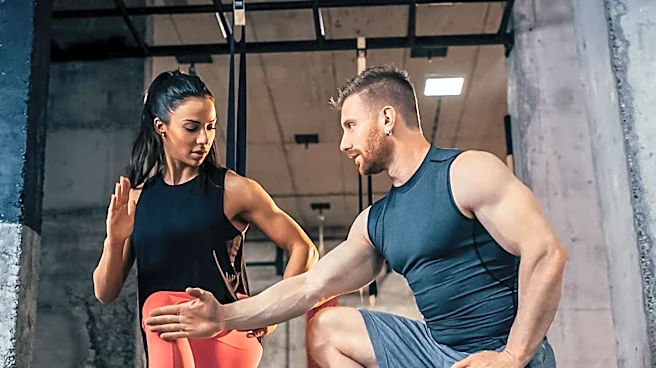
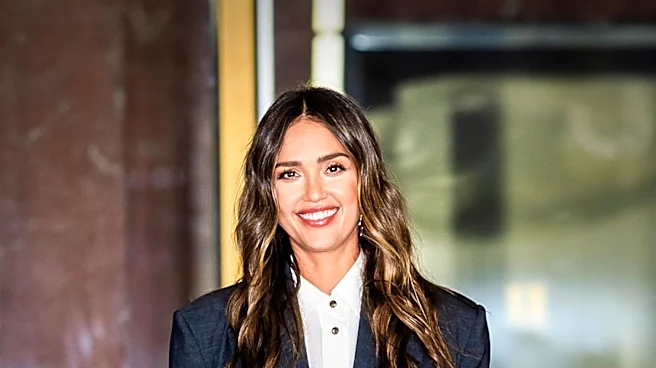
Celebrity trainer Ramona Braganza, known for working with stars like Jessica Alba, Halle Berry, and Zac Efron, is now focusing her training philosophy on longevity. At 64, Braganza actively engages in weightlifting, pull-ups, and hiking, advocating for a strong
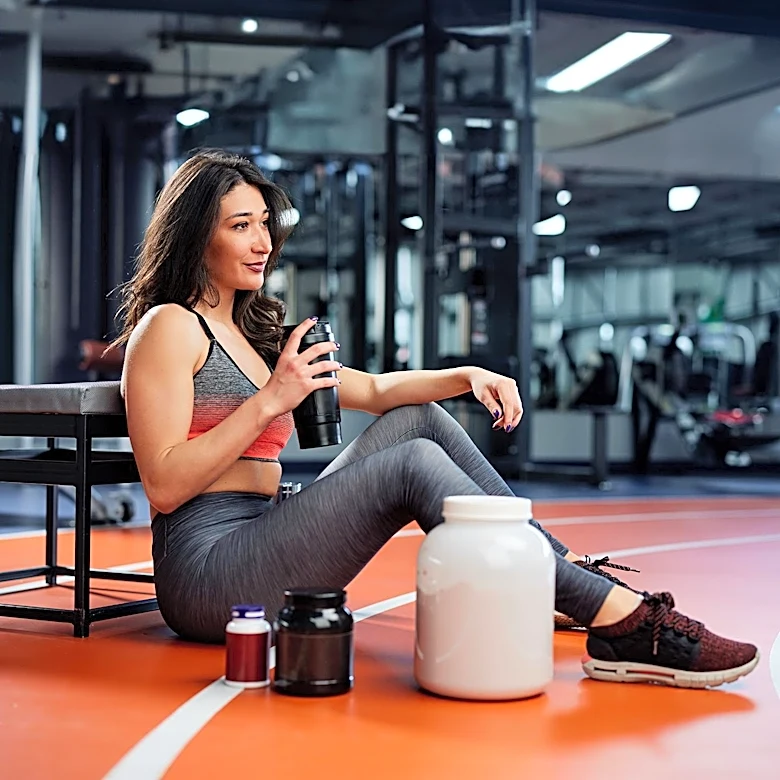
body to build a strong life. She emphasizes that while genetics are uncontrollable, lifestyle choices can significantly impact aging. Braganza's approach includes simple, at-home tests for strength, balance, and functional fitness, which she believes are crucial indicators of healthy aging. These tests include a 30-second sit-to-stand challenge, a single-leg balance test, and a dead hang. Braganza's personal formula for longevity involves consistent walking, progressive weightlifting, monitoring sugar intake, and continuous engagement in physical activity. This shift in focus from purely aesthetic goals to long-term health and functional ability is gaining traction among her clients and the wider fitness community.
Why It's Important?
This shift towards longevity in fitness, championed by influential figures like Ramona Braganza and adopted by celebrities such as Jessica Alba, highlights a growing awareness of long-term health over short-term physical appearance. This trend can significantly impact the U.S. fitness industry, potentially leading to a greater demand for trainers specializing in functional fitness, mobility, and age-appropriate exercise programs. For individuals, understanding and adopting these principles can lead to improved quality of life in later years, reduced risk of age-related injuries, and enhanced independence. The emphasis on simple, accessible tests also democratizes health assessment, allowing more people to monitor their physical well-being without expensive equipment. This movement could also influence public health initiatives, encouraging a broader focus on preventative health measures and active aging strategies across different demographics.
What's Next?
The increasing focus on longevity in fitness is likely to drive further innovation in the wellness industry. We can expect to see more fitness programs and products designed to improve functional strength, balance, and overall physical resilience for aging populations. This may include specialized classes, wearable technology that tracks longevity metrics, and nutritional guidance tailored to support healthy aging. Influencers and celebrity trainers will likely continue to promote these concepts, further embedding them into mainstream fitness culture. Additionally, there may be a rise in research exploring the direct links between specific exercises and long-term health outcomes, providing more evidence-based approaches to longevity training. Healthcare providers might also begin to incorporate these simple functional tests into routine check-ups, offering early insights into an individual's aging trajectory and prompting proactive interventions.
Beyond the Headlines
The emphasis on longevity in fitness transcends mere physical exercise; it reflects a broader cultural shift towards holistic well-being and proactive health management. This movement challenges the often superficial standards of beauty and fitness promoted in media, advocating instead for a deeper appreciation of the body's functional capabilities throughout life. Ethically, it promotes inclusivity by recognizing that fitness goals should be attainable and beneficial for people of all ages, not just the young. Legally, this trend could influence policies related to workplace wellness programs and insurance incentives for healthy lifestyles. Culturally, it encourages a re-evaluation of aging, moving away from a narrative of decline towards one of sustained vitality and active participation in society. This long-term perspective on health could foster a more resilient and healthier population, reducing the burden on healthcare systems and enhancing overall societal productivity.