

What's Happening?
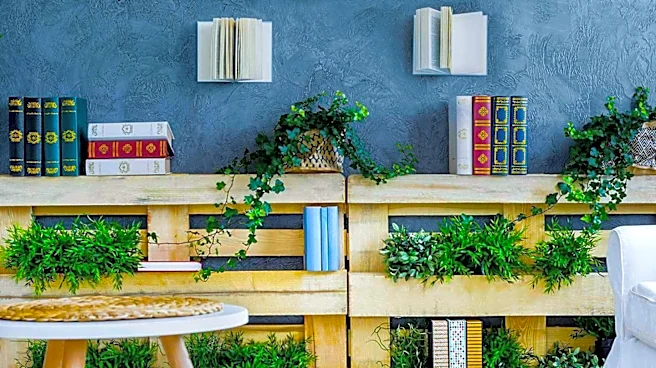
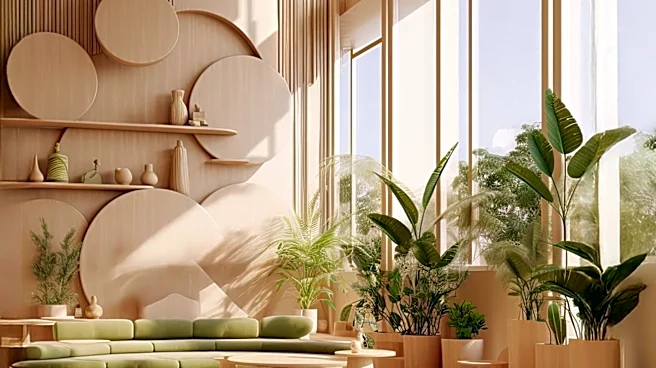
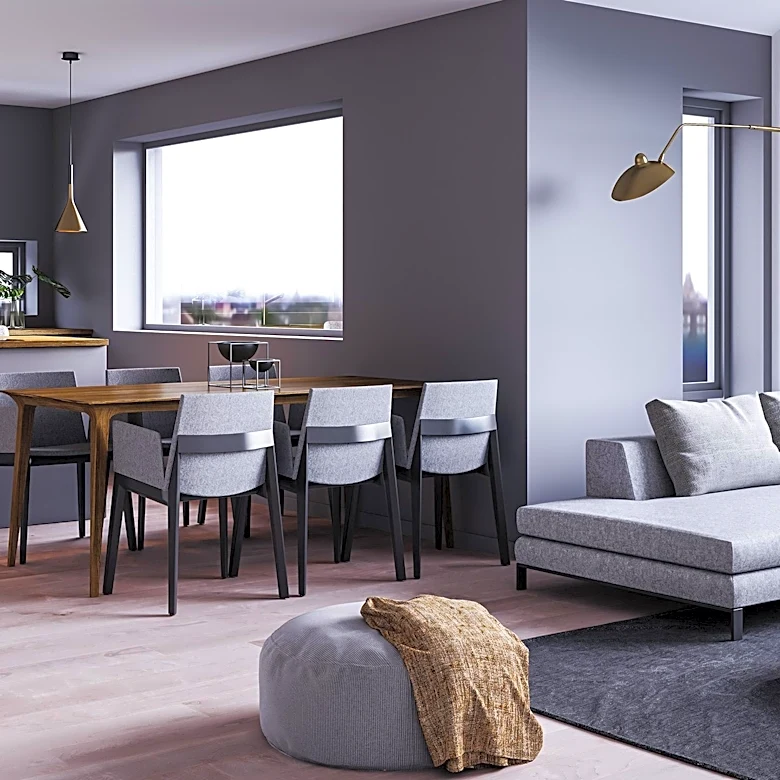
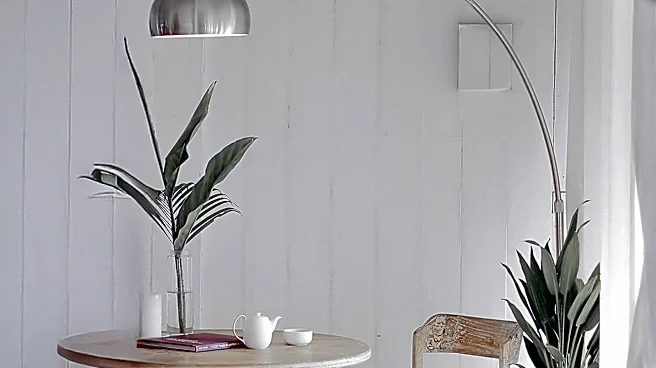
Biophilic design is gaining traction as a science-backed approach to interior design that integrates natural elements into living spaces. This design philosophy aims to reconnect individuals with nature by incorporating elements such as plants, natural light,
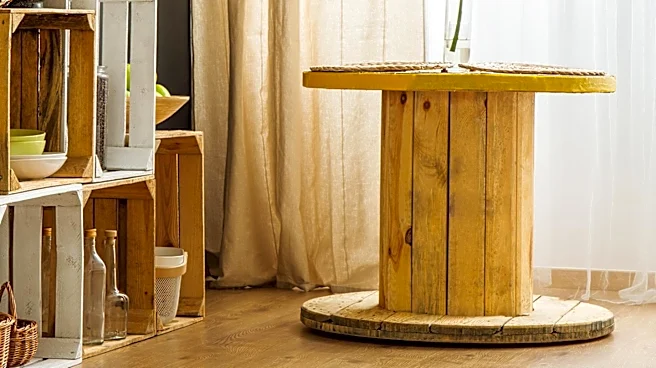
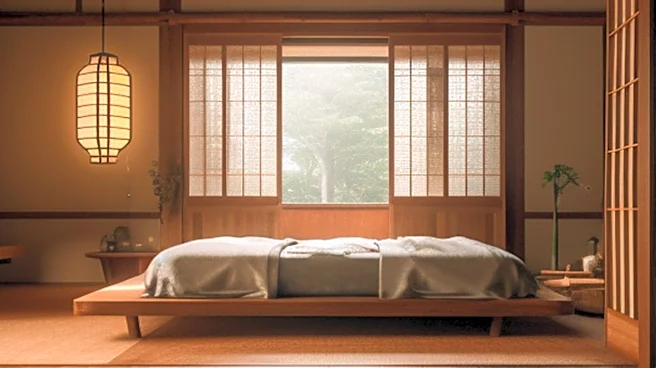
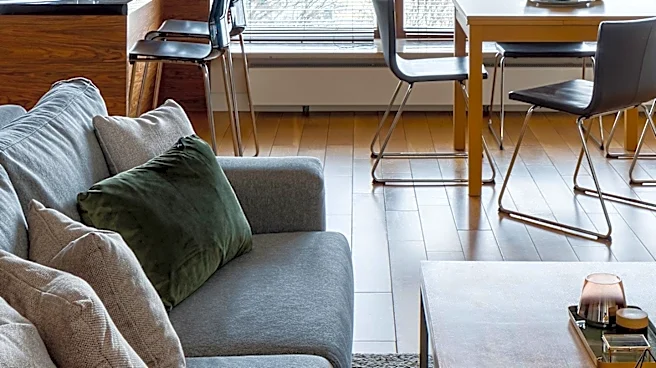
and organic materials into homes. The approach is rooted in the understanding that humans have an innate connection to nature, which can significantly enhance well-being. Studies have shown that biophilic design can reduce stress, improve air quality, and boost creativity and focus. The design style emphasizes the use of natural materials, plant life, and earthy tones to create a calming and visually appealing atmosphere. This approach is not just a trend but a method to create happier and healthier environments.
Why It's Important?
The significance of biophilic design lies in its potential to transform living spaces into sanctuaries that promote mental and physical health. By reducing stress and anxiety, improving air quality, and enhancing creativity, biophilic design can lead to a more balanced and fulfilling lifestyle. This design approach is particularly relevant in urban settings where access to natural environments is limited. By bringing elements of nature indoors, individuals can experience the psychological and physiological benefits of nature without leaving their homes. This can lead to increased productivity, better mood, and overall improved quality of life.
What's Next?
As biophilic design continues to gain popularity, it is likely to influence future trends in architecture and interior design. Designers and homeowners may increasingly seek to incorporate natural elements into their spaces, leading to a greater demand for sustainable materials and nature-inspired decor. The approach may also inspire innovations in building design, such as the integration of living walls and the use of natural light to enhance indoor environments. As awareness of the benefits of biophilic design grows, it could become a standard practice in creating healthier and more sustainable living spaces.
Beyond the Headlines
The adoption of biophilic design raises important considerations about sustainability and environmental impact. By prioritizing natural materials and elements, this design approach encourages the use of sustainable resources and eco-friendly practices. It also highlights the importance of maintaining a connection with nature in an increasingly urbanized world. As more people embrace biophilic design, there may be a shift towards more environmentally conscious living and a greater appreciation for the natural world.