





What's Happening?
AST SpaceMobile, a company focused on building a space-based cellular broadband network, reported third-quarter revenue of $42.3 million, a significant increase from $14.7 million a year earlier. This represents approximately 187% growth. Product revenue reached
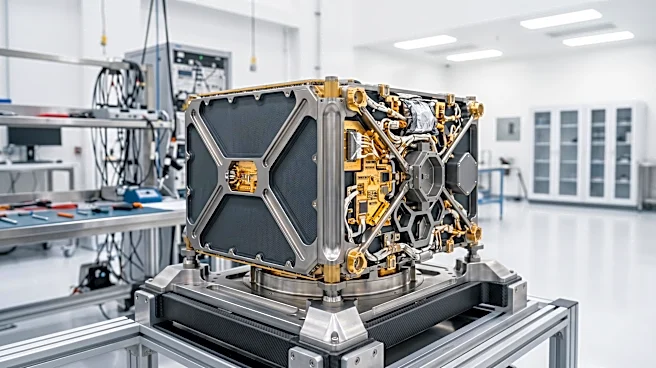
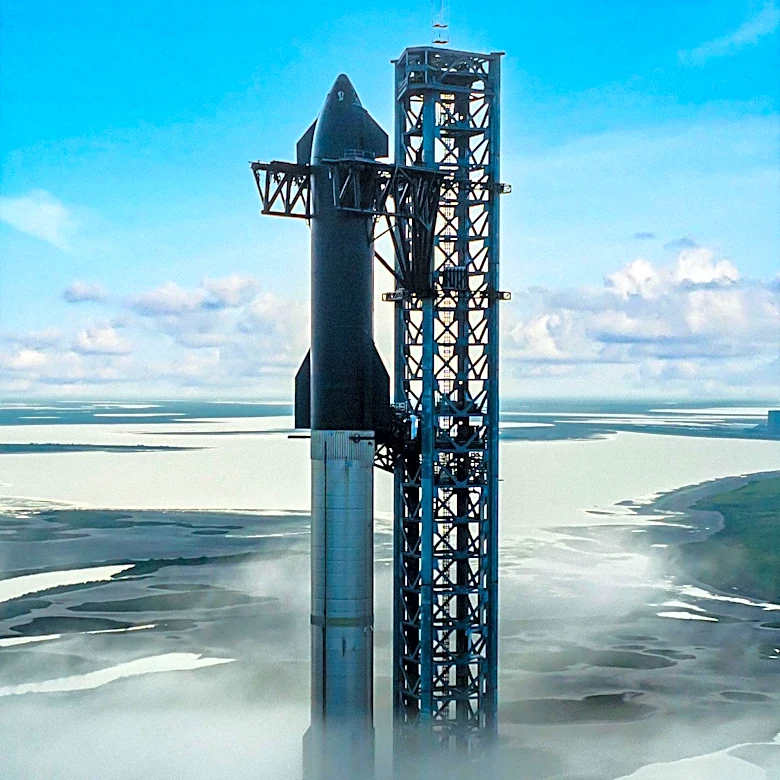
$20.6 million, up from $7.7 million, while services revenue grew to $21.8 million from $7.0 million, stemming from both commercial and U.S. government customers. Despite this revenue growth, the company has adjusted its target for deploying 45 BlueBird satellites in orbit from late 2026 to mid-2027. AT&T has confirmed beam handovers with AST, but continuous coverage, which carriers require, is tied to having 45 to 60 satellites operational. The company has contracted launches for 12 satellites with SpaceX and Blue Origin by the end of the first quarter of 2027. BlueBirds 11-13 are currently operational, while BlueBirds 14-16 are awaiting a SpaceX launch date at Cape Canaveral. BlueBirds 17-19 are scheduled to ship by the end of November for a Blue Origin launch in early Q1 2027, and BlueBirds 20-25 are set for shipment in December and January for Q1 2027 launches.
Why It's Important?
The delay in AST SpaceMobile's satellite deployment schedule is significant for the emerging direct-to-device (D2D) satellite communication market. While the company's substantial revenue growth indicates strong demand for its services, the postponement of its 45-satellite target could impact its ability to provide continuous coverage, a key requirement for telecommunication carriers like AT&T. This delay could affect the timeline for widespread adoption of satellite-to-phone services and potentially allow competitors, such as Starlink, to further solidify their market position. For investors, the $3.2 billion in cash reserves provides a buffer against these delays, but each quarter of slippage adds to losses before service revenue can fully materialize. The company's ability to meet its revised deployment schedule will be crucial for its financial performance and its competitive standing in the rapidly evolving space communications sector. The revenue growth, while positive, is off a relatively small base, making the quarter-over-quarter growth rate a more telling indicator of its ramp-up.
What's Next?
AST SpaceMobile aims to have approximately 45 BlueBird satellites in orbit by mid-2027. The company has a pipeline of satellites awaiting launch, with BlueBirds 14-16 at Cape Canaveral for a SpaceX launch, and BlueBirds 17-19 and 20-25 scheduled for Blue Origin launches in early Q1 2027. The company reaffirmed its 2026 revenue guidance of $150 million to $200 million, indicating a heavy reliance on milestone payments in Q4. Further, AST SpaceMobile has entered a joint venture with Rakuten Group, named Rakuten AST, to develop a direct-to-device satellite communications network in Japan. This venture is expected to receive up to $1 billion in government funding over several years, with AST SpaceMobile supplying the satellites and holding a 49% interest. This international partnership could provide a significant boost to the company's satellite production and deployment capabilities, although the funding is contingent on the project proceeding as planned. The company's ability to accelerate satellite production and secure timely launches will be critical in the coming quarters.
Beyond the Headlines
The challenges faced by AST SpaceMobile in meeting its satellite deployment targets highlight the inherent complexities and risks associated with large-scale space infrastructure projects. The reliance on external launch providers like SpaceX and Blue Origin introduces variables that can impact schedules, underscoring the need for robust logistical planning and contingency measures. The D2D satellite market is poised to revolutionize global connectivity, particularly in underserved areas, but achieving this vision requires overcoming significant technological and operational hurdles. The partnership with Rakuten and the potential for substantial government funding from Japan illustrate the growing international interest and investment in this sector. However, the minority stake held by AST SpaceMobile in the joint venture raises questions about control and profit sharing in future international expansions. The long-term success of AST SpaceMobile and similar ventures will depend not only on technological innovation but also on effective global partnerships, regulatory navigation, and the ability to scale operations efficiently to meet the demand for ubiquitous connectivity.