






What's Happening?
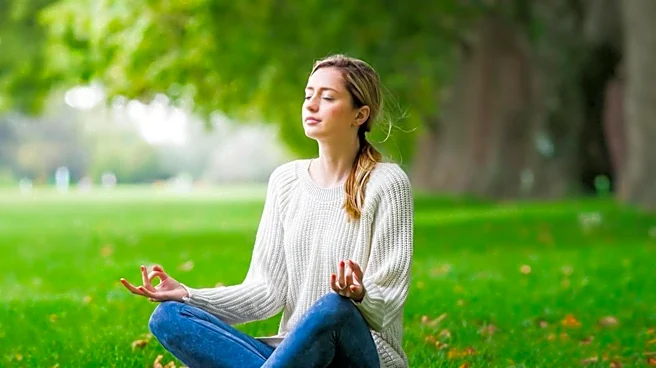
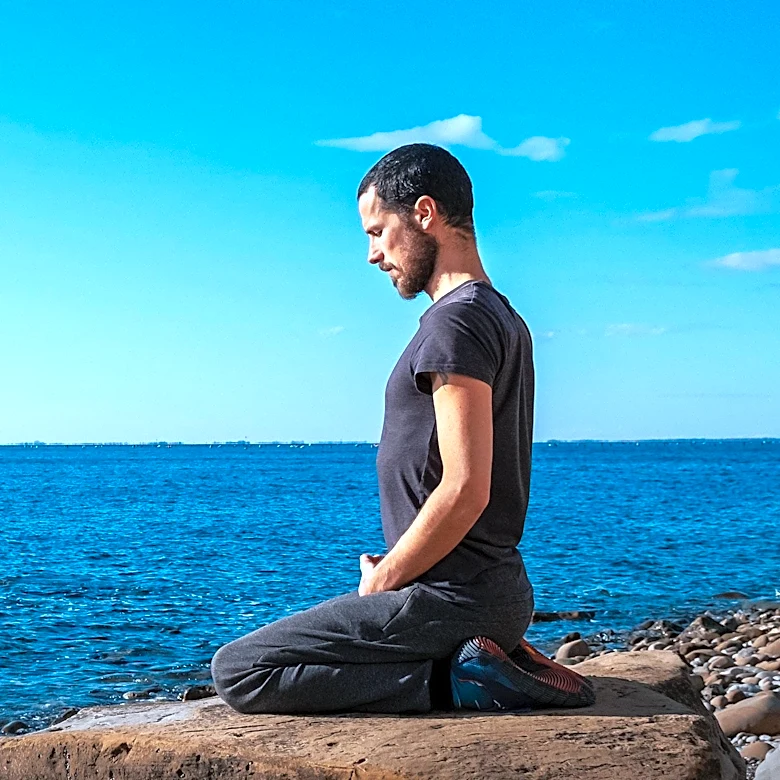
Mindfulness and meditation are increasingly recognized for their significant benefits on mental health. Research indicates that these practices can reduce stress and anxiety by decreasing stress hormones like cortisol and increasing feel-good hormones such
as serotonin. They also improve mood by boosting neurotransmitters like dopamine and endorphins, enhance cognitive functions such as attention and memory, support addiction recovery by reducing cravings, and improve sleep quality by promoting relaxation. Dr. Sara Lazar from Harvard Medical School highlights the profound impact of mindfulness on brain function, leading to structural changes that benefit mental health.
Why It's Important?
The growing acceptance of mindfulness and meditation reflects a shift towards holistic approaches in mental health care. These practices offer accessible, non-pharmaceutical options for managing stress and improving overall well-being, which is crucial in today's fast-paced society. By integrating mindfulness into daily routines, individuals can experience improved mental health, which can lead to better productivity and quality of life. This trend also suggests a broader societal move towards preventive health measures, potentially reducing healthcare costs associated with stress-related conditions.
What's Next?
As mindfulness and meditation continue to gain popularity, they are likely to become more integrated into various sectors, including corporate wellness programs and educational systems. This integration could lead to widespread societal benefits, such as improved workplace productivity and enhanced learning environments. Additionally, ongoing research may further validate and expand the understanding of these practices, encouraging more people to adopt them as part of their daily lives.
Beyond the Headlines
The cultural shift towards mindfulness and meditation reflects a deeper societal change in how mental health is perceived and addressed. These practices promote a more compassionate and understanding society by fostering greater awareness and empathy. As they become more mainstream, they could contribute to a more peaceful and harmonious world, aligning with broader movements towards mental health awareness and self-care.