


What's Happening?
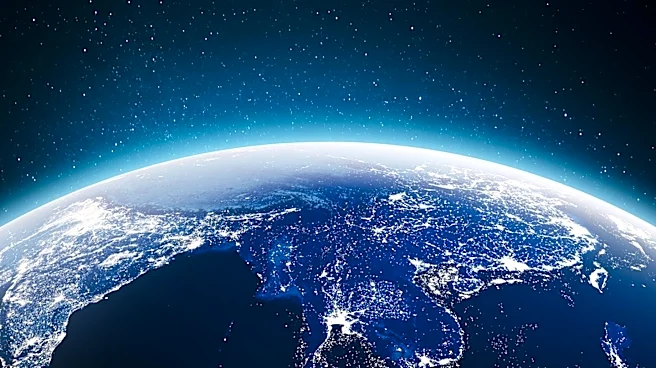
The global economy is undergoing a significant transformation, moving from a Western-centric model to a more distributed and multipolar system. China and India are emerging as increasingly influential architects of this new economic order, driven by diversified
demand, production, technology, and trade. While the United States remains the largest economy, and Europe, Japan, Southeast Asia, and Gulf economies retain substantial influence, China and India are occupying more prominent positions. China continues to be a dominant manufacturing and export powerhouse, evolving its growth drivers towards technology-intensive sectors like electric vehicles, batteries, and AI. India, with its young workforce, digital infrastructure, and growing services exports, is expanding its role in manufacturing and consumption. This shift is not a simple transfer of power but rather the emergence of multiple economic centers, with Asia, particularly China and India, playing a central role in global growth, trade, and innovation.
Why It's Important?
This transition to a multipolar economic system has profound implications for global trade, supply chains, and geopolitical dynamics. For the U.S., it means navigating a more complex international economic landscape where its traditional dominance is shared with other rising powers. U.S. businesses may need to adapt their strategies to account for diversified supply chains and new market opportunities in Asia. The increased influence of China and India also impacts global governance and economic policy discussions, potentially leading to new frameworks for international cooperation and competition. The diversification of global supply chains, driven by factors like pandemic disruptions and geopolitical tensions, creates both challenges and opportunities for various countries, including the U.S., as companies seek resilience over sole efficiency. This shift also highlights the growing importance of technological leadership and control over critical industrial inputs as key determinants of economic power.
What's Next?
The world economy is expected to continue its trajectory towards greater multipolarity. China will likely further solidify its position in advanced manufacturing and technology, while India is poised to expand its digital economy and manufacturing base. Emerging economies, including those in Southeast Asia, will play increasingly vital roles in global supply chains. This ongoing shift will necessitate continuous adaptation from established economic powers like the U.S. and Europe. There will likely be increased competition and collaboration in strategic sectors such as AI, semiconductors, and green technologies. Furthermore, the development of regional financial cooperation and diversified reserves will become crucial for emerging economies to achieve financial stability in this evolving global order, reducing reliance on traditional reserve currencies. The interplay between these rising economic centers will shape future global trade agreements, investment flows, and technological advancements.
Beyond the Headlines
Beyond the immediate economic shifts, the rise of a multipolar world economy carries deeper implications for international relations and power dynamics. It challenges the long-standing unipolar order that emerged after the Cold War, potentially leading to a more balanced distribution of global influence. This could foster greater regional autonomy and diverse approaches to economic development and governance. The emphasis on diversified supply chains and technological self-reliance among various nations could lead to a more resilient, albeit potentially more fragmented, global economic system. Ethical considerations around labor practices, environmental standards, and data governance in these emerging economic powerhouses will also gain prominence. The long-term impact could include a re-evaluation of international institutions and a push for more inclusive global decision-making processes, reflecting the broader distribution of economic power.