



What's Happening?
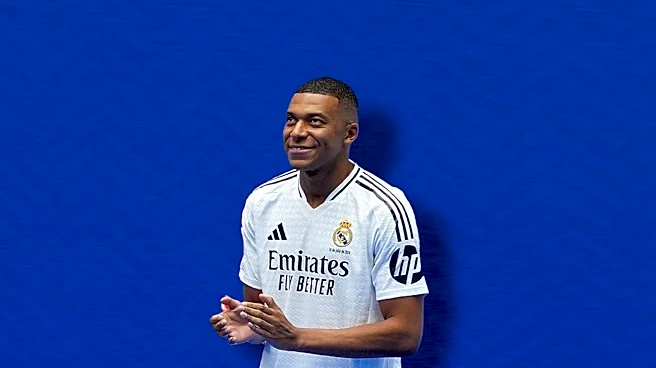
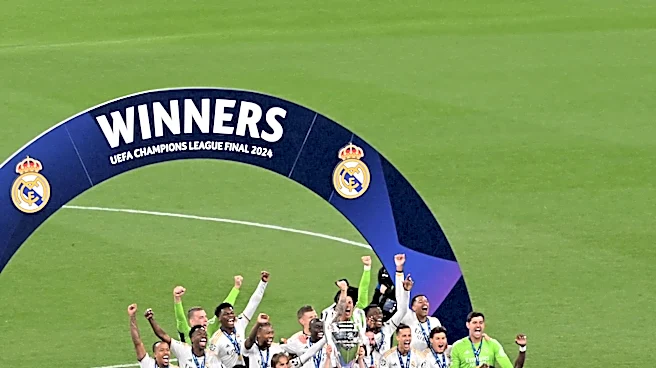
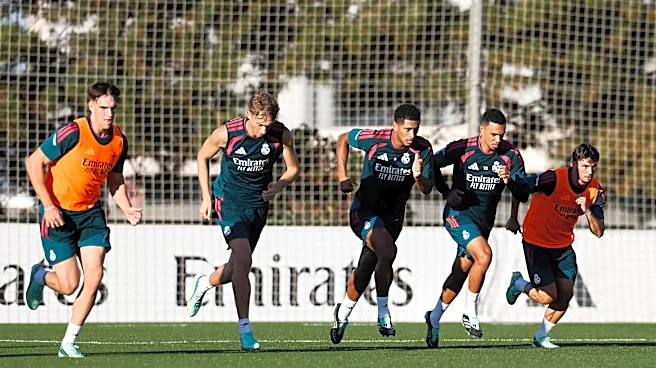
Kylian Mbappé, the Real Madrid forward, has issued an apology following controversial remarks he made about China's late leader Mao Zedong. During an appearance on a French talk show, Mbappé referenced a meme that superimposed his face onto an image resembling
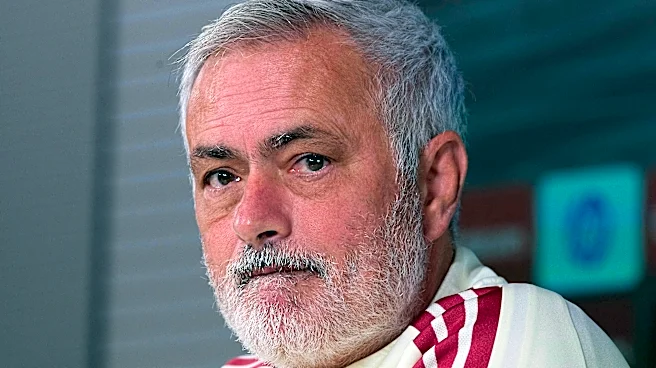
Mao, describing it as the one that made him 'laugh the most.' This comment sparked significant backlash on social media in China and among Chinese communities globally. Real Madrid manager José Mourinho addressed the incident, stating that while there are 'dangers of today's world' in public commentary, Mbappé acted 'very responsibly' by quickly apologizing. Mourinho emphasized that both Real Madrid and Mbappé demonstrated 'class' in their immediate response to the controversy. The incident led to several Chinese brands reportedly dropping Mbappé.
Why It's Important?
This incident highlights the increasing scrutiny public figures, particularly global sports stars, face regarding their comments and their potential impact on international relations and brand endorsements. For U.S. businesses and athletes operating in or targeting the Chinese market, Mbappé's experience serves as a cautionary tale. China represents a massive consumer base and a critical market for many international brands. Offhand remarks, even if perceived as lighthearted in one cultural context, can have severe financial and reputational consequences in another. The swift reaction from Chinese netizens and brands underscores the sensitivity surrounding historical and political figures in China, demonstrating how quickly a misstep can lead to commercial disengagement and damage to a public image, affecting potential endorsement deals and market access for athletes and their associated brands.
What's Next?
Following Mbappé's apology, the immediate focus will be on how effectively his statement mitigates the damage to his personal brand and his relationships with Chinese sponsors. Real Madrid will likely continue to manage the fallout, ensuring that their star player maintains a positive image, especially in key international markets. The incident may prompt other high-profile athletes and their management teams to review their media training and public relations strategies, particularly concerning culturally sensitive topics. There could be a broader trend of increased caution among celebrities when discussing international politics or historical figures to avoid similar controversies and protect their global marketability. The long-term impact on Mbappé's endorsement portfolio in China will depend on the sustained reaction from consumers and brands.
Beyond the Headlines
The controversy surrounding Mbappé's comments delves into the complex interplay between global celebrity, cultural sensitivity, and the digital age. The rapid spread of the meme and the subsequent backlash illustrate how social media can amplify perceived offenses across borders, making it challenging for public figures to control their narratives. This event also touches upon the ethical responsibilities of media outlets and talk shows to consider the potential global implications of content they produce, especially when featuring international personalities. Furthermore, it underscores the power of consumer sentiment in shaping brand decisions, as companies are increasingly responsive to public outcry to protect their image and market share. The incident serves as a stark reminder that cultural context is paramount in an interconnected world, and what might be considered humor in one region can be deeply offensive in another, leading to significant professional repercussions.