







What's Happening?
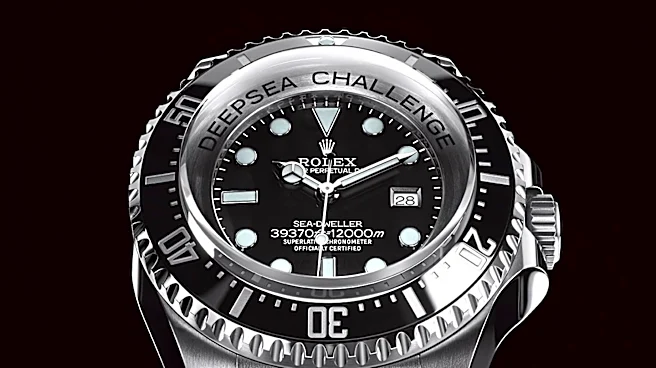
Independent watch dealers are reporting no negative impact from Rolex's Certified Pre-Owned (CPO) program, despite its significant success. According to a Morgan Stanley report, Rolex's official retailers sold 10,300 pre-owned watches in the third quarter
of 2026, generating an estimated $229 million. However, major secondary market players like WatchGuys, founded by Robertino Altieri, and Wind Vintage, founded by Eric Wind, state that their businesses remain unaffected. They attribute this to serving distinct customer bases. Altieri notes that their customers are typically well-researched and seek the best deals on watches, often for rare or limited pieces, while CPO buyers are willing to pay a premium for the brand's guarantee and servicing. Audemars Piguet also recently launched its own CPO program, 'The Watch Keepers,' which operates on a consignment model.
Why It's Important?
The resilience of independent watch dealers in the face of luxury brands entering the certified pre-owned market highlights a segmentation within the high-end watch industry. This indicates that consumers seeking pre-owned luxury watches are not a monolithic group; rather, there are distinct segments with differing priorities. One segment values the official brand guarantee and servicing, even at a higher price point, while another prioritizes value, rarity, and the expertise of independent dealers. This dynamic suggests that the expansion of CPO programs by major brands may not cannibalize the existing secondary market but rather expand the overall market for pre-owned luxury watches by attracting new buyers who prefer the assurance of a brand certification. This trend could lead to a more diversified and robust pre-owned watch market in the U.S., offering more choices for consumers and fostering different business models.
What's Next?
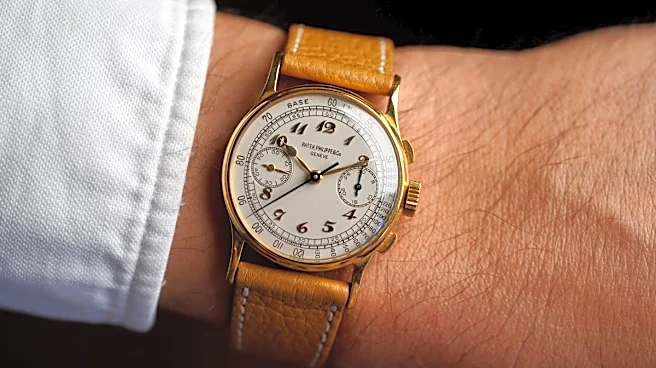
The luxury watch market is likely to see more brands, such as Patek Philippe, enter the certified pre-owned space, potentially with varied approaches. Robertino Altieri anticipates that brands with already limited production, like Patek Philippe, could see 'astronomical' markups in their CPO programs. Eric Wind hopes that new CPO programs will focus on offering watches that are not 'over-restored' and maintain their originality, which he believes would benefit the market. The continued evolution of these programs, including pricing strategies and restoration policies, will determine their long-term impact on both brand-authorized dealers and independent secondary market players. The success of these diverse models will likely shape future strategies for luxury goods manufacturers looking to capitalize on the growing demand for pre-owned items.
Beyond the Headlines
The divergence in customer preferences between brand-certified pre-owned watches and those offered by independent dealers points to a broader shift in consumer behavior within the luxury market. The 'gray market' for watches, as described by Altieri, caters to a knowledgeable and discerning clientele who prioritize authenticity and value, often seeking pieces with unique provenance or historical significance. Conversely, the CPO market appeals to those who prioritize peace of mind and brand assurance, even if it means a higher price and potentially less 'original' condition due to extensive restoration. This trend reflects a growing acceptance of pre-owned luxury goods, driven by factors such as sustainability concerns, investment potential, and accessibility to high-end items. The coexistence of these two market segments suggests a maturing secondary market that can accommodate diverse consumer needs and preferences, potentially leading to new standards for authentication, valuation, and customer service across the industry.