





What's Happening?
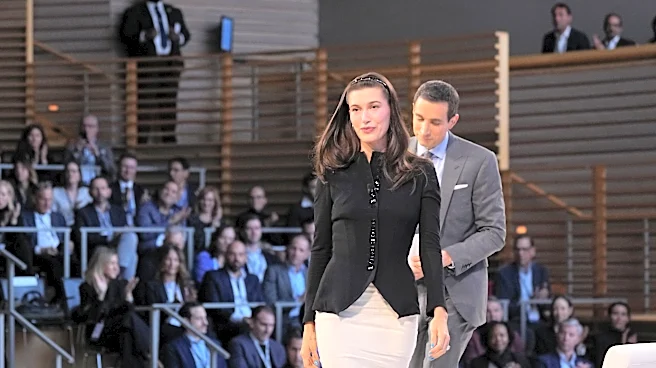
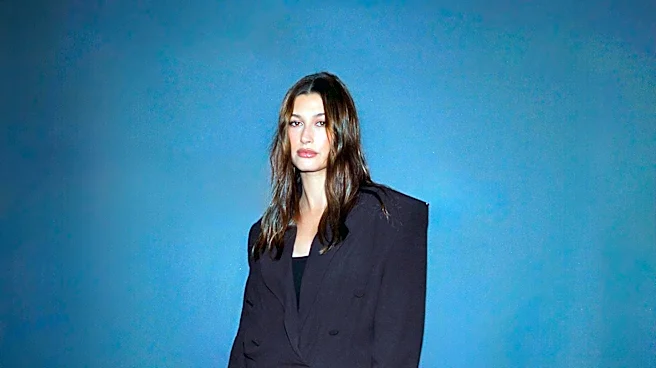
Hailey Bieber, founder of Rhode, recently attended The New York Times DealBook summit in New York City. During an interview with journalist Andrew Ross Sorkin, she was asked to choose which celebrity-owned company she would acquire if given the opportunity.
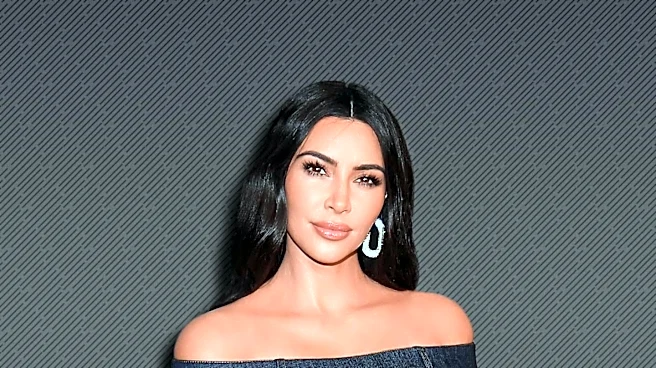
Presented with options including Selena Gomez’s Rare Beauty, Rihanna’s Fenty, Kylie Jenner’s Kylie Cosmetics, and Kim Kardashian’s Skims, Bieber ultimately selected Skims. While she did not elaborate on her decision, the inclusion of Rare Beauty in the options drew significant attention from fans due to long-standing speculation about a feud between Bieber and Gomez. Both women have previously indicated that they have moved past any past drama. Bieber also discussed the future of her own brand, Rhode, which she launched in 2022 and is set to be sold to e.l.f. Beauty in a deal valued at up to $1 billion in 2025. Her long-term goal for Rhode is for it to succeed independently of her celebrity status.
Why It's Important?
This event highlights the growing influence of celebrity-backed businesses in the U.S. market and the strategic decisions involved in their growth and potential acquisitions. Hailey Bieber's choice of Skims, a shapewear and loungewear brand, over beauty brands like Rare Beauty, Fenty, and Kylie Cosmetics, could be interpreted as a recognition of Skims' market position or business model. The public's reaction, particularly concerning the perceived rivalry between Bieber and Gomez, underscores how personal narratives and celebrity relationships can intersect with and impact brand perception and consumer engagement. For e.l.f. Beauty, the acquisition of Rhode signifies a significant investment in the celebrity beauty sector, aiming to capitalize on Bieber's brand power while also planning for the brand's independent success. This trend of celebrity brands seeking to establish standalone credibility beyond their founders is a key development in the competitive consumer goods landscape.
What's Next?
The upcoming sale of Rhode to e.l.f. Beauty in 2025 will be a significant milestone, testing Hailey Bieber's stated goal for the brand to thrive independently of her celebrity status. This transition will likely involve strategic marketing and product development efforts to solidify Rhode's market presence. The continued success of celebrity-backed brands like Skims, Rare Beauty, Fenty, and Kylie Cosmetics will also be closely watched, as they navigate evolving consumer preferences and competitive pressures. Future DealBook summits and similar platforms will likely continue to feature discussions on the business acumen and strategic choices of celebrity entrepreneurs, reflecting their increasing impact on various industries. The public and media will also continue to monitor the dynamics between prominent figures like Bieber and Gomez, as their interactions, or lack thereof, often generate considerable public interest and can indirectly influence brand narratives.
Beyond the Headlines
The incident at the DealBook summit subtly reveals the complex interplay between celebrity, business, and public perception. The persistent public interest in the alleged feud between Hailey Bieber and Selena Gomez, despite both parties signaling a resolution, illustrates how media narratives can take on a life of their own, influencing how celebrity brands are viewed. This phenomenon poses a challenge for celebrity entrepreneurs who aim to establish their brands as legitimate, standalone businesses rather than mere extensions of their personal fame. The strategic decision to sell Rhode to a larger entity like e.l.f. Beauty, with the stated goal of independent success, reflects a broader trend where celebrity founders seek to institutionalize their ventures, moving beyond personal branding to create enduring enterprises. This shift is crucial for the long-term viability and valuation of such companies in the highly competitive U.S. market.