






What's Happening?
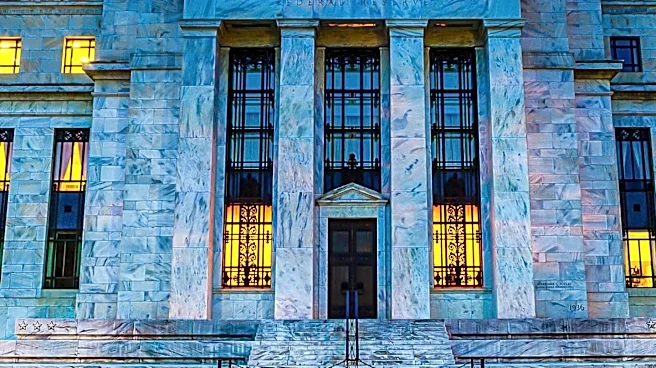
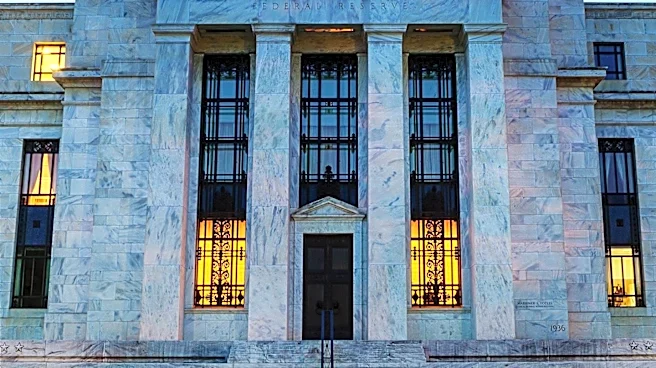
The Federal Reserve Bank of Dallas and the Federal Reserve Bank of Boston co-hosted a Bank Funding Conference, bringing together financial industry leaders, researchers, and policymakers. The conference aimed to deepen understanding of how banks are adapting
their funding strategies amidst technological advancements like real-time payments and asset tokenization. During the event, Federal Reserve officials reiterated the critical importance of banks' operational readiness to access liquidity and emphasized the Fed's responsibility in supporting this readiness. Discussions included several opportunities for the Federal Reserve to enhance its own capacity to provide liquidity to the financial system when necessary. These proposed improvements include extending discount window operations to weekends and holidays, centrally clearing open market operations, and further developing the Fed’s ability to lend to designated financial market utilities under appropriate circumstances. Additionally, the Federal Open Market Committee (FOMC) explored methods to differentiate asset purchases that support market functioning from those intended for economic stimulus.
Why It's Important?
This conference and the discussions held are vital for maintaining financial stability in the U.S. economy. As technological shifts transform the banking landscape, ensuring banks have robust funding strategies and access to liquidity is paramount to prevent systemic shocks. The Federal Reserve's proactive approach in identifying and implementing measures to strengthen its liquidity provision capabilities directly impacts the resilience of the financial system. Extending discount window operations and centrally clearing open market operations would provide greater flexibility and certainty during periods of market stress, benefiting all financial institutions and, by extension, the broader economy. Clarifying the distinction between asset purchases for market functioning versus economic stimulus also enhances transparency and predictability in monetary policy, which is crucial for investor confidence and market stability.
What's Next?
The Federal Reserve will likely continue to evaluate and potentially implement the proposed enhancements to its liquidity provision framework. This could involve policy adjustments to extend discount window operations and operational changes to facilitate central clearing of open market operations. Further development of the Fed’s readiness to lend to financial market utilities will also be a key area of focus. The discussions within the FOMC regarding the separation of asset purchase objectives may lead to refined communication strategies and operational guidelines for future monetary policy actions. Financial institutions will need to stay abreast of these potential changes and ensure their own operational readiness aligns with any new Federal Reserve policies or capabilities regarding liquidity access.
Beyond the Headlines
The discussions at the Bank Funding Conference highlight the ongoing evolution of central banking in response to rapid technological innovation in finance. The emphasis on 'always-on' payments and asset tokenization signals a recognition that traditional liquidity frameworks may need to adapt to a 24/7 financial environment. This proactive stance by the Federal Reserve reflects a commitment to modernizing its tools and strategies to effectively manage emerging risks and support a dynamic financial system. The distinction between different types of asset purchases also points to a more nuanced approach to monetary policy, where the Fed aims to precisely target specific market needs without inadvertently creating broader economic stimulus when it's not intended. This level of precision is increasingly important in a complex global financial landscape.