






What's Happening?
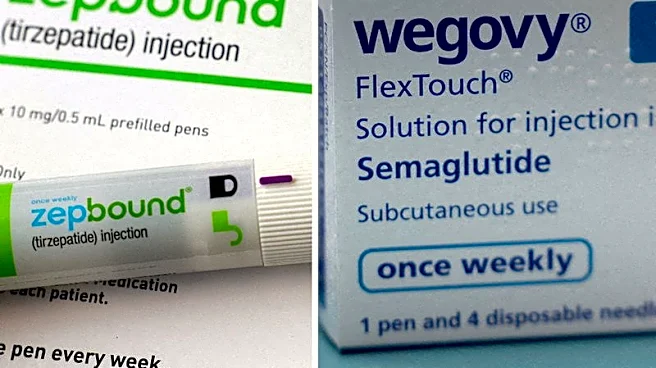
Crux, a benefits operating system, has announced a collaboration with Novo Nordisk to provide U.S. employers with improved access to anti-obesity medications, including Wegovy®. This partnership aims to offer a transparent and affordable pharmacy benefit structure,
allowing employers to provide their employees with predictable pricing for Novo Nordisk's medications. The collaboration is designed to simplify the process for employers by eliminating markups, rebate requirements, and hidden fees. Employers can further reduce medication costs for their employees through tax-advantaged contributions via a health reimbursement arrangement (HRA), which are applied at the point of sale, thus avoiding reimbursement or claims processing. This initiative is part of Crux's broader strategy to reduce administrative burdens on employers and offer more choices in benefit design.
Why It's Important?
This collaboration is significant as it addresses the growing need for accessible and affordable obesity management solutions in the U.S. With obesity being a major public health concern, providing easier access to effective treatments can have a substantial impact on employee health and productivity. By offering a transparent pricing model and simplifying the administrative process, Crux and Novo Nordisk are enabling employers to support their employees' health more effectively. This partnership could set a precedent for how pharmaceutical benefits are structured, potentially influencing other companies to adopt similar models. The initiative also highlights the role of employers in facilitating healthcare access, which could lead to broader changes in how health benefits are managed across industries.
What's Next?
As this collaboration unfolds, it is likely that more employers will adopt this model, potentially leading to wider availability of obesity management medications. The success of this initiative could encourage other pharmaceutical companies to explore similar partnerships, further transforming the landscape of employer-provided health benefits. Additionally, the focus on transparency and cost-effectiveness may prompt regulatory bodies to consider new guidelines for pharmaceutical pricing and benefit structures. Stakeholders, including healthcare providers and policymakers, will be watching closely to assess the impact of this model on healthcare costs and outcomes.