






What's Happening?
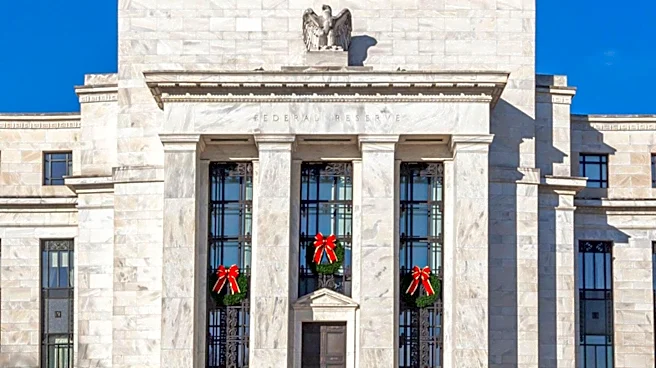
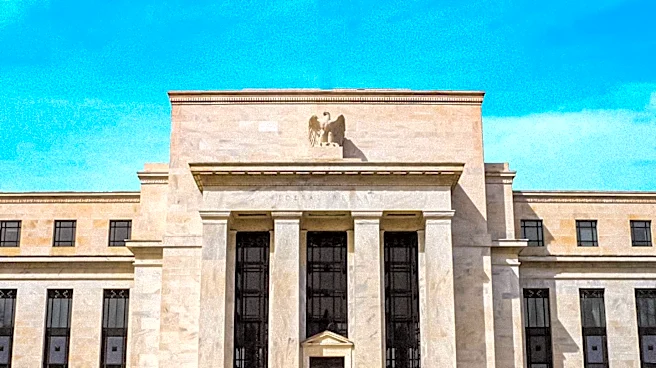
The Federal Open Market Committee (FOMC) minutes from the June meeting show a united front on maintaining the current interest rate range of 3.5% to 3.75%, while expressing concerns about inflation driven by the Iran conflict, tariffs, and AI demand.
The committee noted that inflation remains elevated due to energy and supply shocks, with potential for further increases. The Fed's staff revised their inflation forecast for 2026 and 2027 upwards, reflecting higher energy prices and AI-related costs. The minutes also highlighted the need for potential policy firming if inflation persists, despite stable labor market conditions.
Why It's Important?
The Federal Reserve's stance on interest rates and inflation is critical for economic stability. The ongoing geopolitical tensions and technological advancements pose challenges for monetary policy, as they contribute to inflationary pressures. The Fed's decisions impact borrowing costs, consumer spending, and investment, influencing overall economic growth. The committee's concerns about inflation highlight the complexity of managing monetary policy in a dynamic global environment, where external factors like geopolitical conflicts and technological shifts play significant roles.
What's Next?
The Federal Reserve will continue to monitor economic indicators and geopolitical developments to guide its policy decisions. The potential for interest rate adjustments remains, depending on how inflation and economic conditions evolve. Stakeholders, including businesses and investors, will closely watch the Fed's communications for any changes in policy direction. The resolution of the Iran conflict and its impact on energy prices will also be critical factors in shaping economic and market outcomes.