





What's Happening?
U.S. inflation rose faster than anticipated in September, with the Consumer Price Index (CPI) increasing by 0.6% from August, bringing the annual inflation rate to 3.7%. This marks an increase from the previous month's 3.4%. Economists had projected a monthly
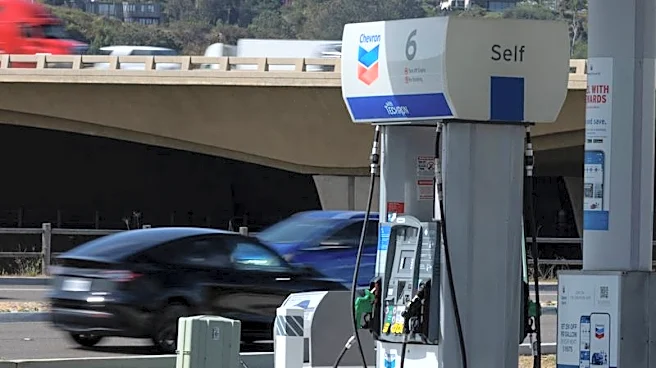
increase of 0.6% and an annual rate of 3.6%. The rise in prices extended beyond gasoline, which accounted for more than half of the monthly increase with a 9.1% jump. Core CPI, which excludes volatile food and energy prices, also ran hotter than expected, rising 0.3% from August and 2.6% from a year earlier. Housing-related inflation, captured in the 'shelter' category, increased by 0.4% from August, marking the fastest monthly rate in five months. This data is the last snapshot of consumer prices before the upcoming midterm elections.
Why It's Important?
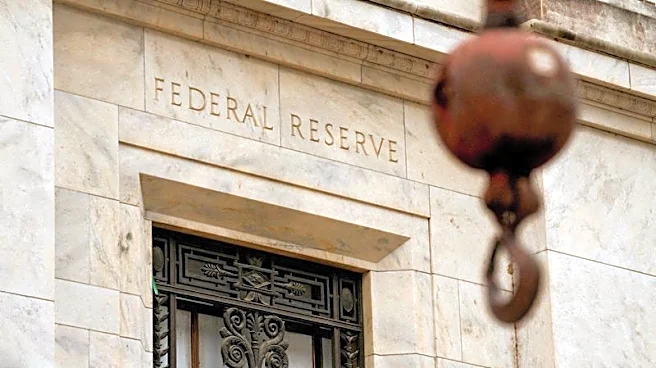
The higher-than-expected inflation figures are a troubling sign for the U.S. economy and could have significant implications for monetary policy. Persistent price pressures, especially those extending beyond energy, suggest that inflation is becoming more entrenched across various sectors. This situation puts the Federal Reserve further away from its 2% inflation target and increases the likelihood of additional interest rate hikes. Higher interest rates can slow economic growth, increase borrowing costs for businesses and consumers, and potentially lead to job losses. For American households, inflation continues to erode wage gains, with September marking the sixth consecutive month that inflation has outpaced workers' earnings, exacerbating affordability concerns. The data also impacts financial markets, as evidenced by falling stock futures and surging bond yields, reflecting investor expectations that the Fed will maintain higher interest rates for a longer period.
What's Next?
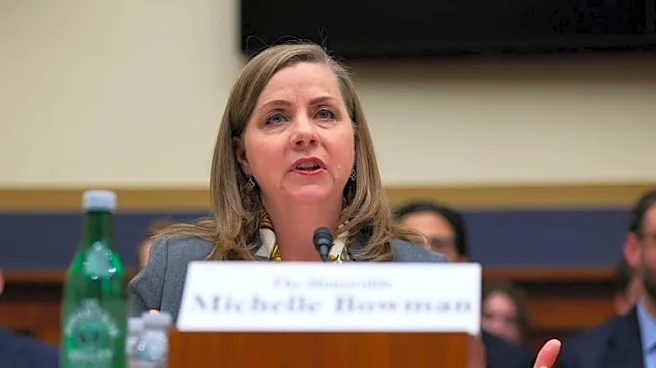
The latest inflation data will be a critical factor in the Federal Reserve's upcoming monetary policy decisions. The increased odds of a Fed rate hike in October, rising from 22% to 49% according to CME FedWatch, indicate that policymakers may feel compelled to act to curb inflation. Traders widely anticipate at least one more rate hike before the end of the year. Businesses and consumers should prepare for potentially higher borrowing costs and continued price volatility. The broadening of price pressures beyond energy suggests that the Fed's efforts to cool the economy may need to be more aggressive or sustained. Economists will closely monitor subsequent inflation reports and labor market data to gauge the effectiveness of current policies and predict future actions. The impact on the upcoming midterm elections is also a key consideration, as inflation remains a top concern for voters.
Beyond the Headlines
The persistent and broad-based inflation revealed in the September CPI report highlights a complex interplay of economic factors. While energy prices are a significant contributor, the rise in core inflation indicates underlying demand pressures and supply chain issues that are not easily resolved. The housing market, despite some disinflationary trends, continues to contribute to overall inflation, influenced by low inventory and high interest rates. This situation could lead to a prolonged period of economic uncertainty, potentially impacting long-term investment decisions and consumer spending habits. The challenge for the Federal Reserve is to tame inflation without triggering a severe economic downturn, a delicate balancing act known as a 'soft landing.' The political implications are also profound, as sustained inflation can fuel public discontent and influence electoral outcomes, potentially leading to shifts in economic policy priorities. The current inflationary environment may also accelerate the adoption of new economic strategies by businesses to manage costs and pricing.