




What's Happening?
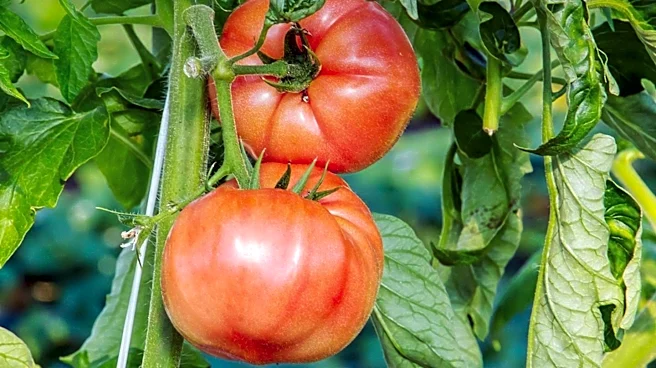
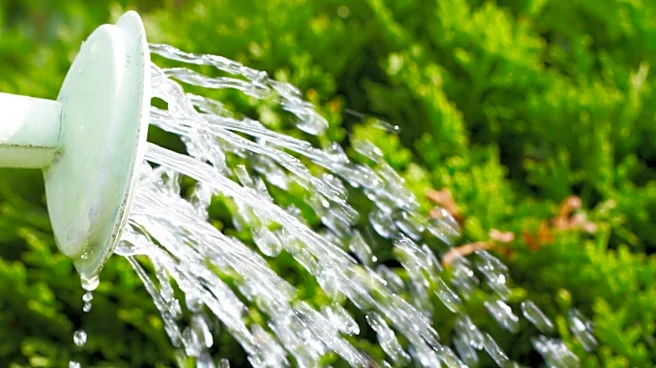
As summer transitions to fall, particularly in September, tomato plants require specific care to maximize fruit ripening and maintain health. Gardeners are advised to adjust watering regimes, reducing frequency as days shorten and sunlight mellows, to concentrate
sugars in the remaining fruits and prevent root rot. A key task involves tidying up plants by trimming the main growing tip, removing old lower leaves, and thinning foliage that shades green tomatoes to accelerate ripening. Additionally, pinching out side shoots and snipping new flower clusters is recommended to redirect the plant's energy towards existing fruits. For regions experiencing cooler temperatures, removing spent or diseased plants is crucial to prevent the spread of common tomato diseases, ensuring the health of more productive plants. The approach to care varies depending on the U.S. region, with southern states potentially having a longer harvest period compared to northern areas where frosts are imminent.
Why It's Important?
Effective September care for tomato plants is important for several reasons, primarily impacting the yield and quality of late-season harvests for home gardeners and potentially small-scale producers. By optimizing watering and pruning, gardeners can enhance the flavor and size of tomatoes, extending the harvest period. Disease prevention, through the removal of unhealthy plants, safeguards the remaining crop and can reduce the need for chemical interventions, promoting more sustainable gardening practices. This focused care also helps gardeners make the most of their efforts throughout the growing season, providing fresh produce for a longer duration. For those in northern U.S. states, these practices are critical for salvaging any remaining fruit before the first frosts, while in warmer southern states, they help maintain plant vigor for continued production.
What's Next?
Gardeners should continue to monitor weather patterns and plant health closely. As temperatures drop further and the first frosts approach, especially in northern regions, the focus will shift to harvesting any remaining green tomatoes for indoor ripening. This often involves picking full-sized tomatoes with a hint of color and placing them in paper bags with a ripe banana to speed up the process. In warmer climates, ongoing vigilance against pests and diseases will be necessary to sustain production. The end of the growing season will also involve preparing garden beds for winter, which may include removing all remaining plant debris to prevent disease carryover to the next season. Planning for next year's planting, including crop rotation, will also be a consideration for many gardeners.
Beyond the Headlines
The seasonal care of tomato plants reflects a broader connection between human activity and natural cycles, highlighting the importance of adapting agricultural practices to environmental changes. This micro-level gardening practice mirrors larger agricultural challenges related to climate variability and sustainable food production. The emphasis on maximizing yield and preventing disease without excessive chemical use underscores a growing trend towards organic and environmentally conscious gardening. Furthermore, the act of nurturing plants and harvesting food can offer significant psychological benefits, fostering a sense of accomplishment and connection to nature. The knowledge shared among gardeners about these practices contributes to a community of shared expertise, promoting resilience and self-sufficiency in food production.