






What's Happening?
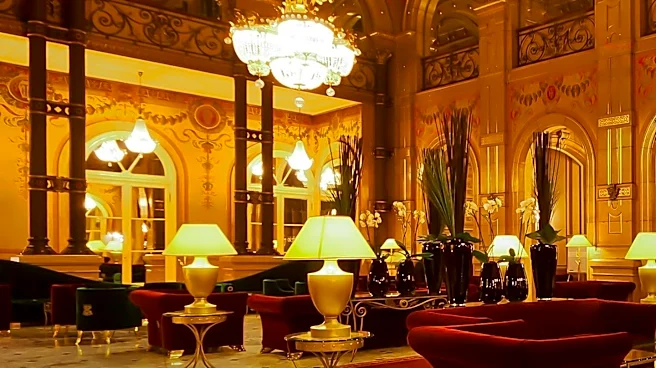
The luxury hospitality industry is undergoing a significant transformation as guests increasingly seek experiences that offer personal enrichment, cultural discovery, and emotional connection, moving beyond the traditional expectations of grand architecture,
exceptional service, and exclusive amenities. According to the World Luxury Chamber of Commerce’s 2026 Visionary Overview Report, industry experts highlight that what once defined luxury is now considered standard. The focus is shifting from transactional service to transformative experiences, where guests value feeling understood and prioritized over simply being served. This evolution challenges hotels to create lasting impressions and foster genuine relationships, extending beyond individual stays to encompass broader luxury living experiences, including branded residences and wellness programs. The report emphasizes that while physical excellence remains important, it no longer guarantees guest loyalty or differentiation in a crowded market.
Why It's Important?
This shift in luxury hospitality is crucial for U.S. businesses in the sector as it necessitates a re-evaluation of investment strategies and service models. Hotels that fail to adapt to these evolving guest expectations risk losing market share to competitors offering more meaningful and personalized experiences. The emphasis on emotional connection and personal transformation means that the industry must invest in staff training that goes beyond technical service skills, focusing on empathy and understanding guest needs on a deeper level. Furthermore, the expansion of hospitality into integrated luxury living experiences, such as branded residences and wellness programs, presents new revenue streams and opportunities for long-term guest engagement. Businesses that successfully integrate these elements will likely gain a competitive advantage, while those that cling to outdated models may see declining relevance and profitability.
What's Next?
Looking ahead, luxury hospitality businesses are expected to increasingly focus on creating bespoke experiences that resonate with guests on a personal level. This will involve leveraging technology to enhance the guest journey, from pre-arrival anticipation to post-departure engagement, while carefully balancing automation with genuine human interaction. The industry will likely see a greater emphasis on sustainability and wellness, integrating these aspects throughout the guest experience rather than treating them as standalone amenities. Destinations will also need to prioritize preserving their unique cultural identities and natural environments to offer authentic and memorable experiences. Operators and investors will shift their focus from solely occupancy rates and individual transactions to the lifetime value of guest relationships and the development of integrated luxury ecosystems.
Beyond the Headlines
The evolving landscape of luxury hospitality reflects broader societal trends towards experiential consumption and a desire for authenticity and personal meaning. This shift has ethical implications, as businesses must ensure that their pursuit of 'transformative experiences' is genuine and not merely a marketing ploy. Legally, the expansion into branded residences and integrated lifestyle offerings may introduce new regulatory complexities related to real estate, consumer protection, and data privacy. Culturally, the industry's ability to translate local identity into refined experiences without succumbing to homogenization will be critical for preserving diverse cultural heritage. Long-term, this development could lead to a more conscious and responsible luxury sector, where success is measured not just by opulence but by the positive impact on guests, communities, and the environment.