








What's Happening?
The cost of custom furniture and home renovations in the U.S. has significantly increased, making it challenging even for wealthy individuals to afford bespoke pieces. Factors contributing to this surge include rising labor costs, fluctuating tariffs,
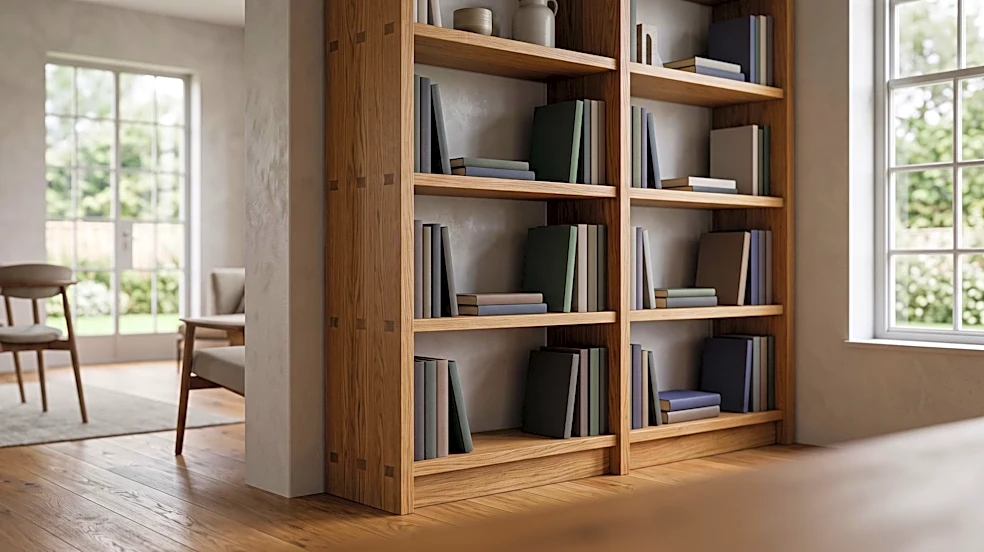
shipping delays, and environmental issues like wildfires affecting lumber prices. For instance, tech entrepreneur Jeremy Redman and his wife, Holly Redman, saw their kitchen renovation budget balloon from an initial $60,000 to approximately $180,000. Similarly, Arielle Aurrichio, a product manager in Wilmington, N.C., faced a $12,000 quote for custom oak bookshelves, leading her to opt for cheaper materials and a painted finish to save $4,000. Even U.S.-made furniture is affected, as it often relies on imported components from heavily tariffed regions. Custom furniture makers like Croft House in Los Angeles have experienced substantial increases in material costs, such as a 47% rise for cabinet hinges and 124% for metal handles since 2019, alongside significant labor cost increases.
Why It's Important?
This trend has broad implications for the U.S. home furnishing industry, consumers, and the economy. It highlights the vulnerability of supply chains to global economic and environmental factors, impacting both manufacturers and end-users. Affluent consumers, who traditionally drive demand for custom, high-end products, are now seeking alternatives, leading to a shift in purchasing habits. This could boost demand for 'fast furniture' brands or encourage creative solutions like combining custom and vintage pieces, as seen with designer Paige Wassel. The increased costs also put pressure on smaller custom furniture businesses, which cannot distribute premiums across a wide range of products like larger retailers. The reliance on imported materials, even for domestically produced goods, underscores the interconnectedness of the global economy and how international trade policies and events can directly affect local markets and consumer spending.
What's Next?
Consumers are likely to continue exploring more cost-effective alternatives, such as utilizing AI tools on platforms like Furniture.com to find less expensive dupes of custom pieces. Designers may increasingly incorporate vintage or thrifted items into their projects, combining them with custom elements to manage budgets. There could also be a growing trend towards sourcing materials and labor from countries with lower production costs, as exemplified by architect Crina Arghirescu Rogard commissioning furniture from Romania for a Tribeca penthouse project. This could lead to longer lead times and potential uncertainties regarding shipping and taxes. The industry may see further innovation in material science to develop more affordable and sustainable alternatives to traditional lumber and metals, or a greater emphasis on local sourcing to mitigate tariff and shipping impacts.
Beyond the Headlines
The rising cost of custom furniture reflects deeper economic shifts, including persistent inflation, global trade tensions, and the increasing frequency of climate-related disruptions. It challenges the perception that wealth insulates individuals from economic pressures, demonstrating how widespread these impacts can be. This situation also highlights a broader cultural shift in consumer values, where even those with significant disposable income are becoming more conscious of value and seeking creative ways to achieve desired aesthetics without exorbitant costs. The move towards combining custom with vintage or mass-produced items could foster a more eclectic and personalized design aesthetic, moving away from purely bespoke luxury. Furthermore, it underscores the environmental cost of certain materials and the potential for increased demand for sustainable, locally sourced options if economic pressures continue to mount.